SPARSE AND DENSE #2
SENSESORS INTIMACY
Enrico Gaido
second SPARSE AND DENSE exhibition
Portugal
16 12 2021 – 23 12 2021

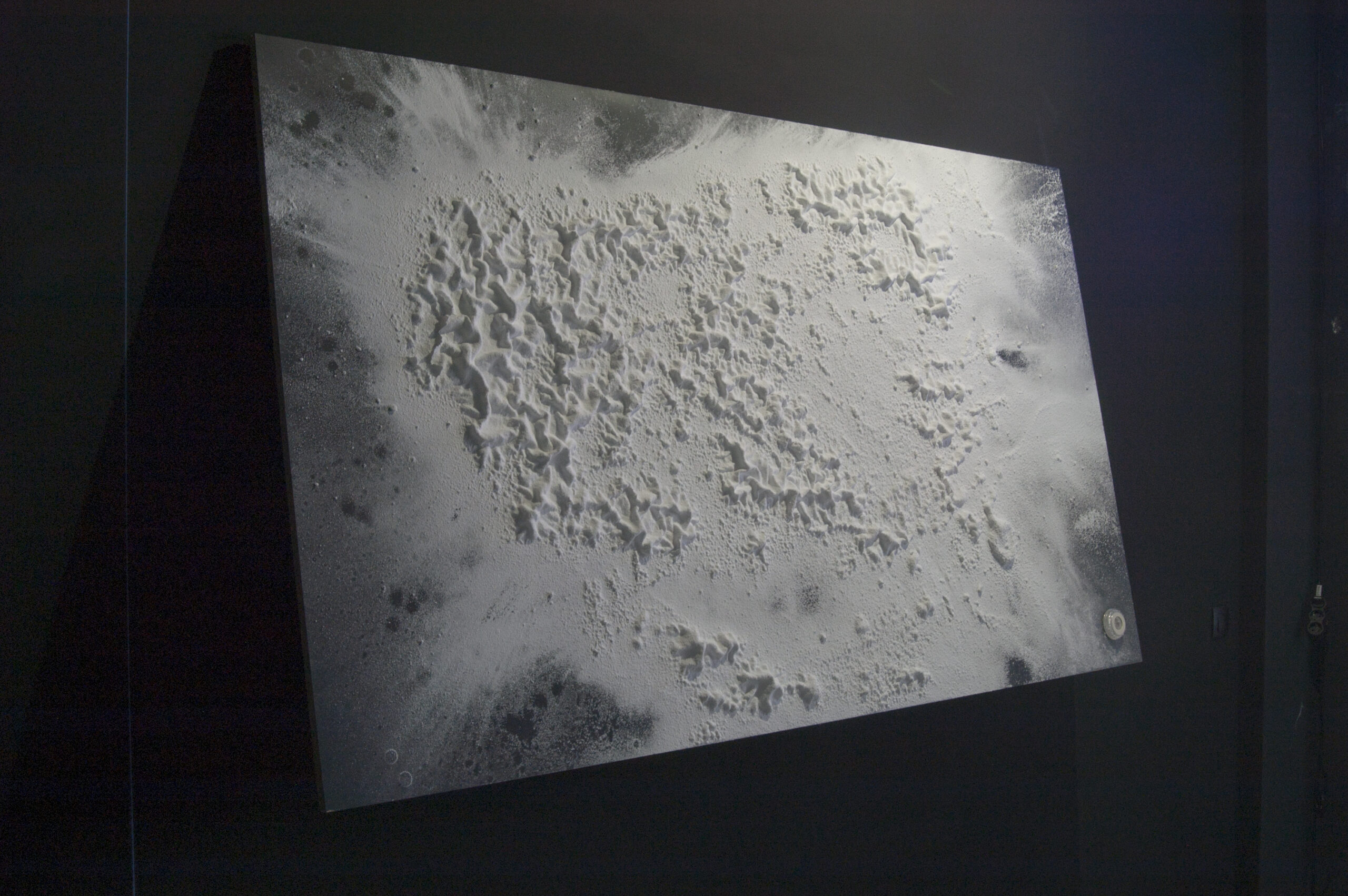
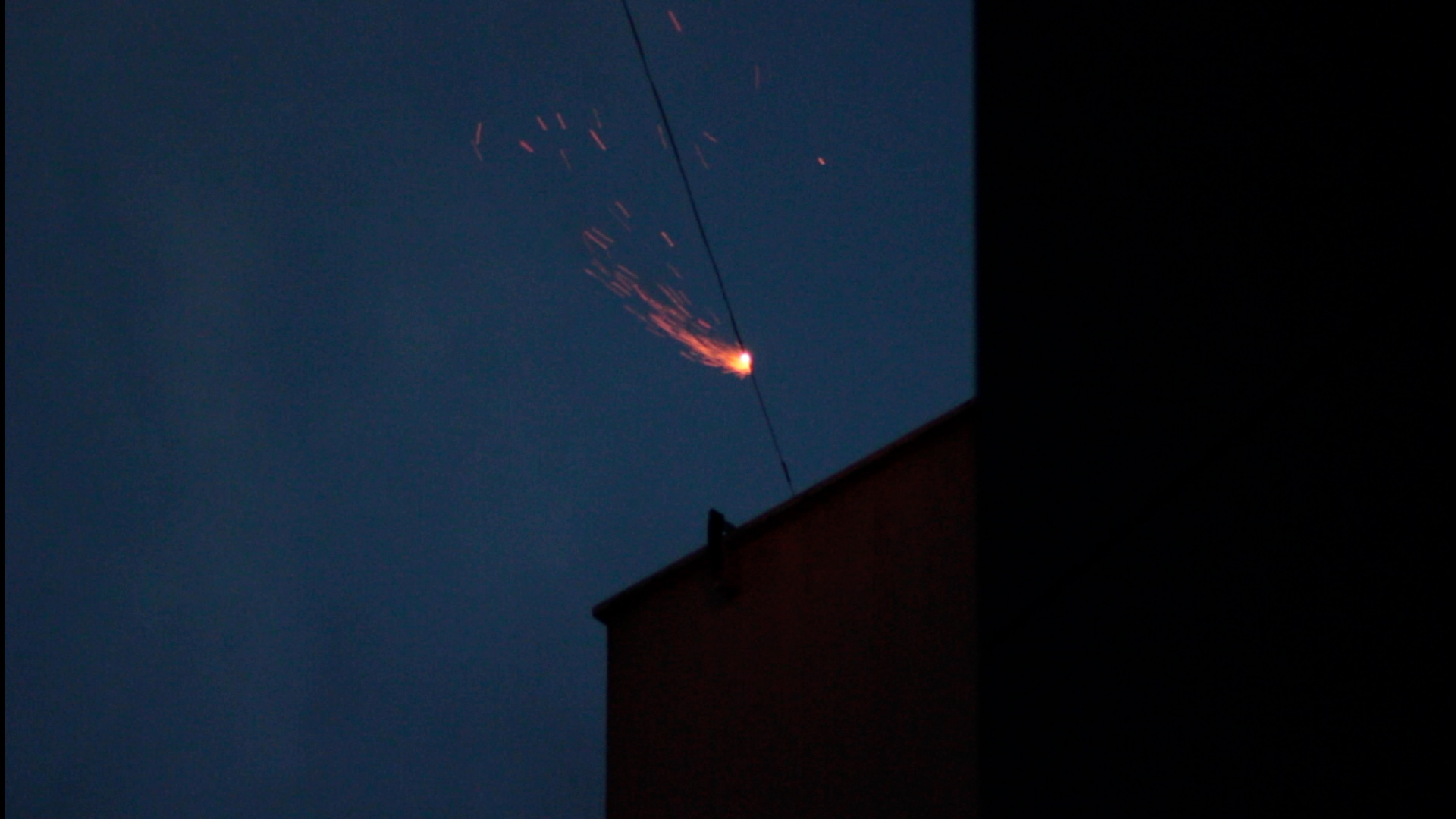
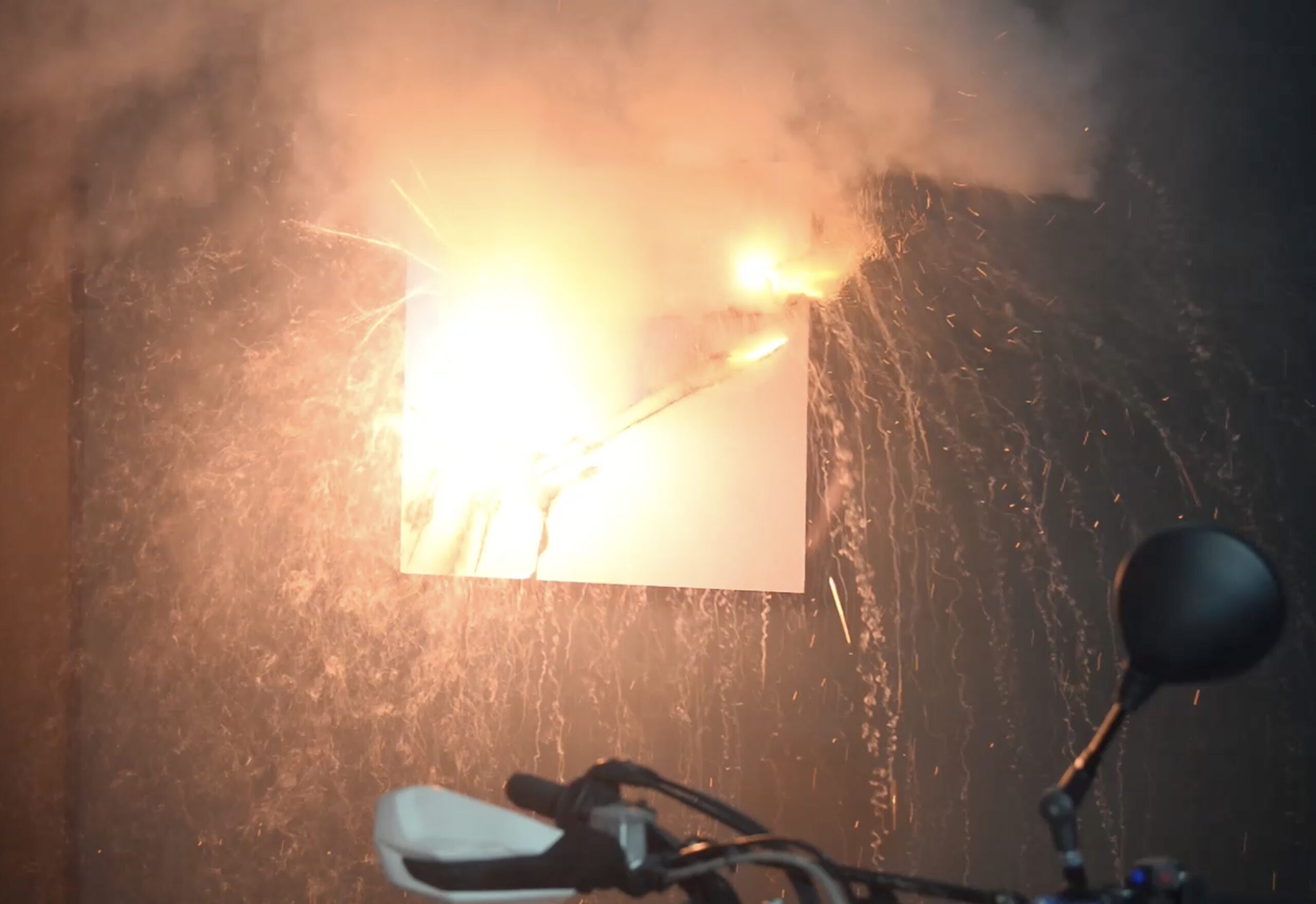
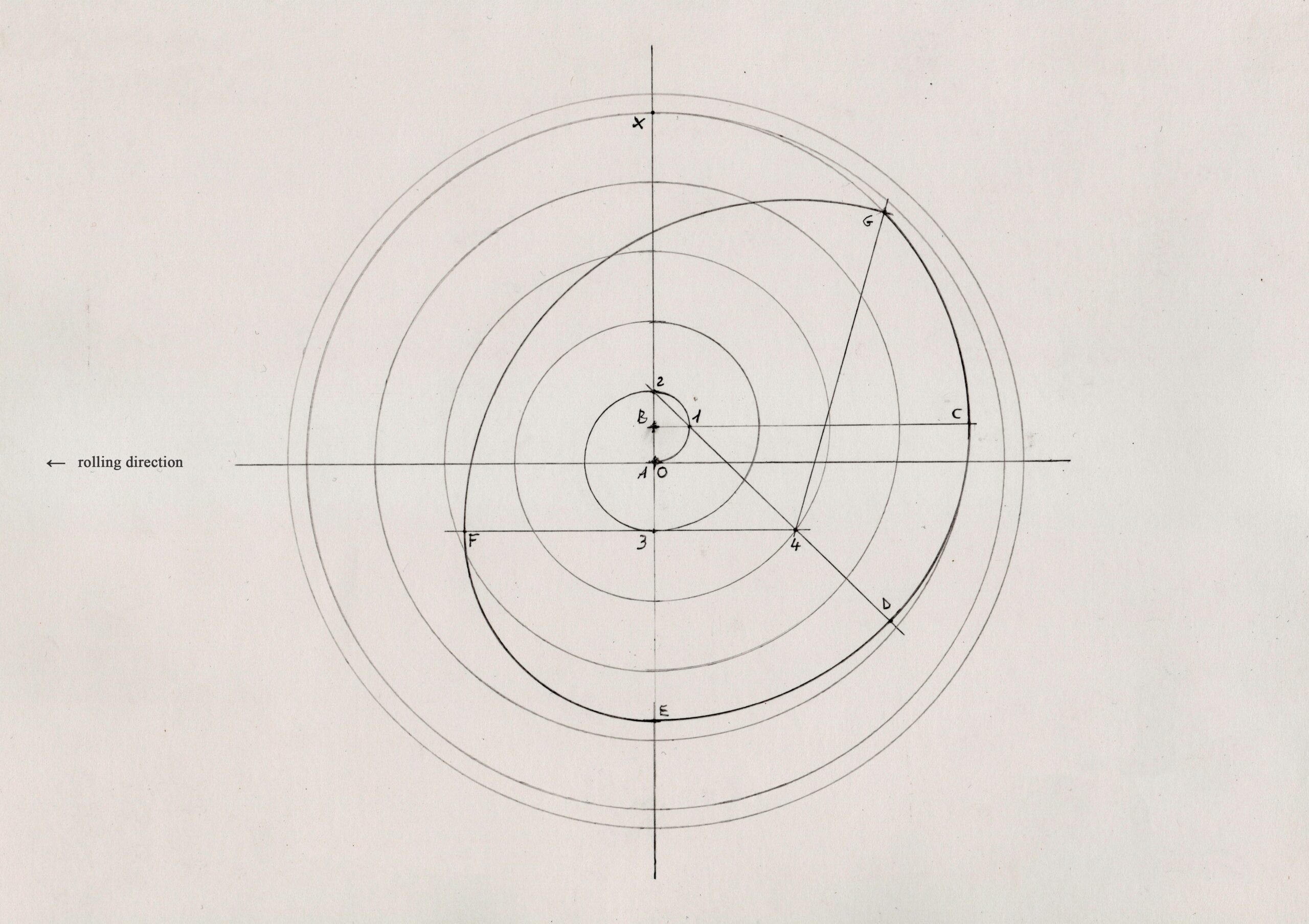
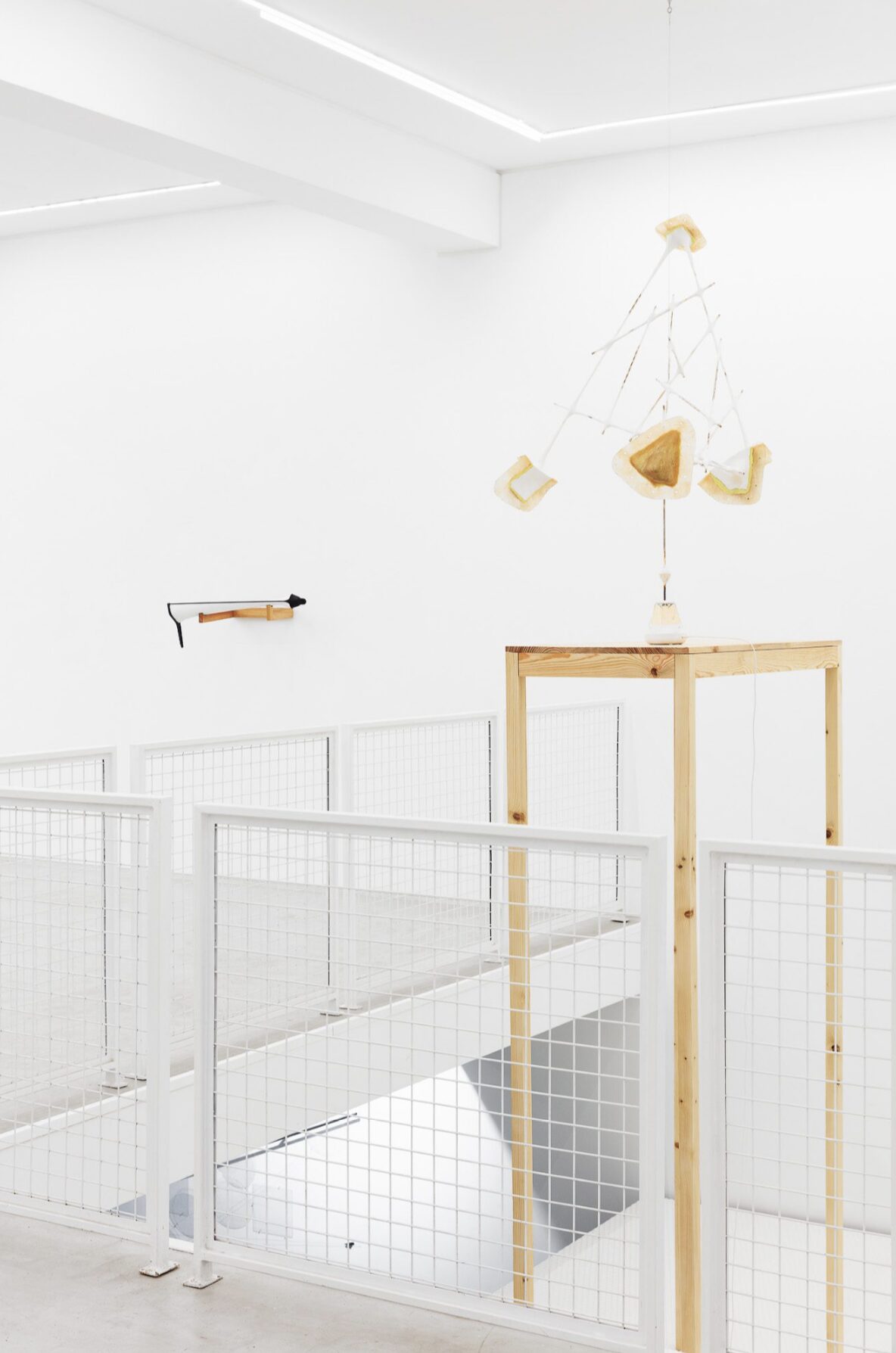
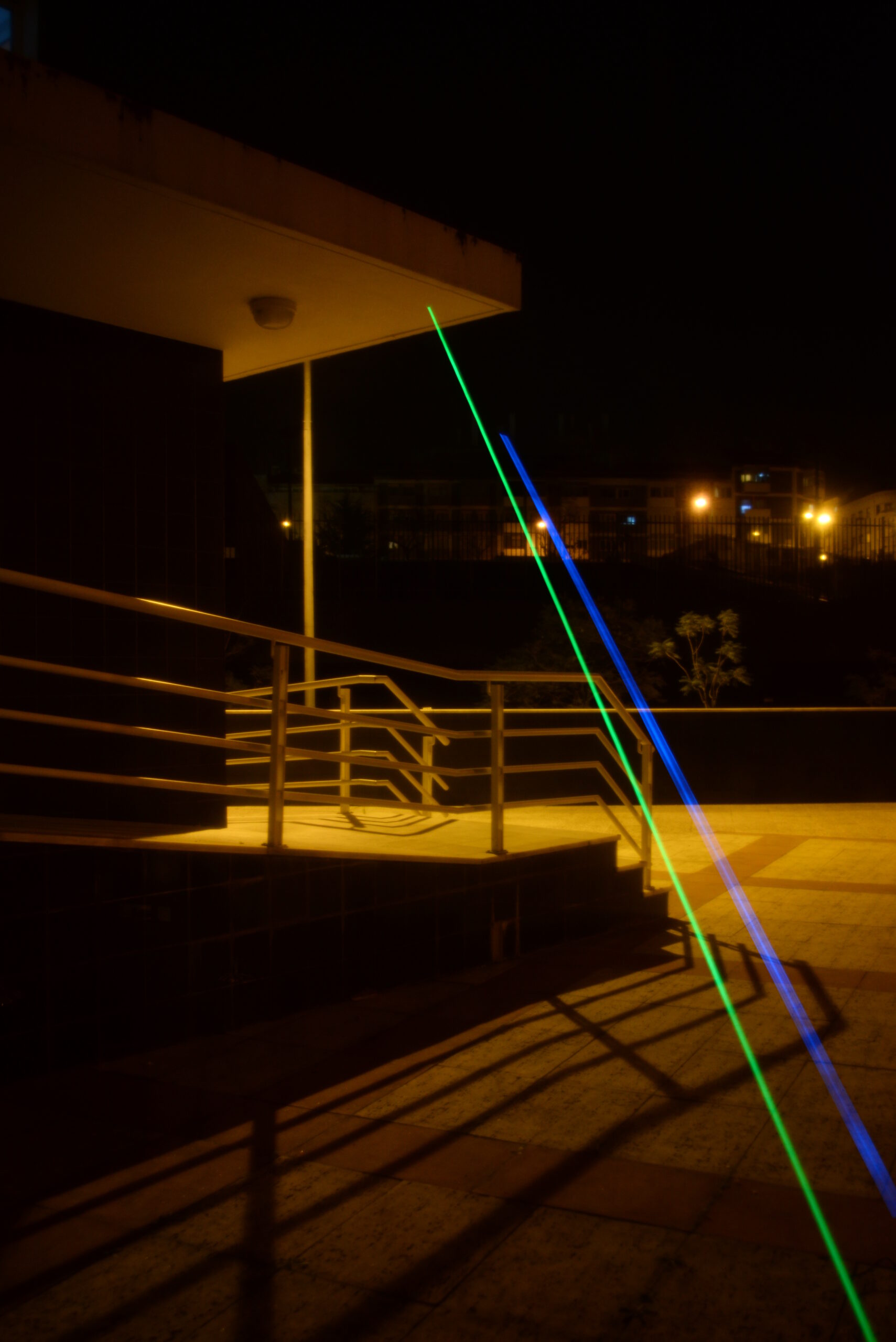
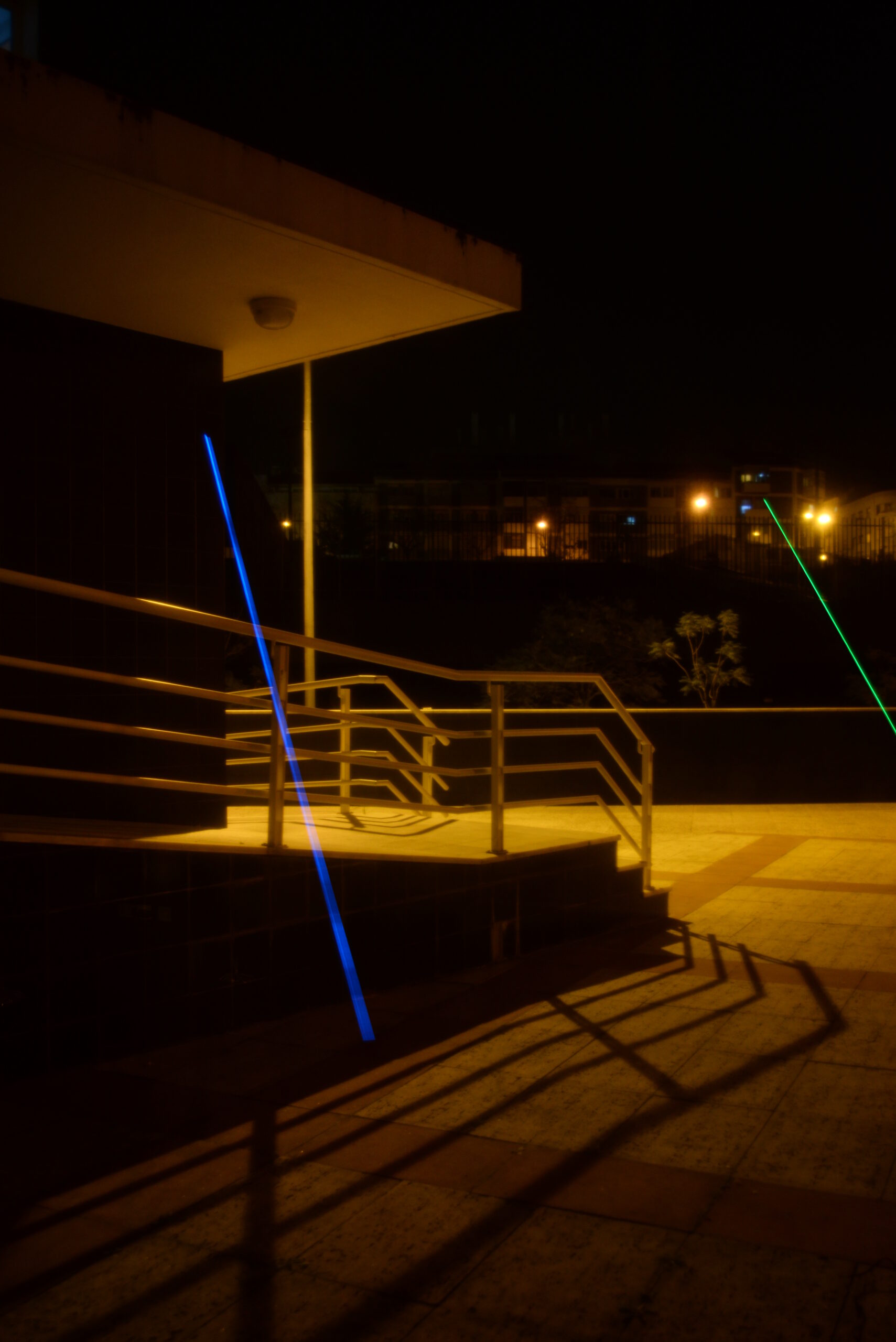
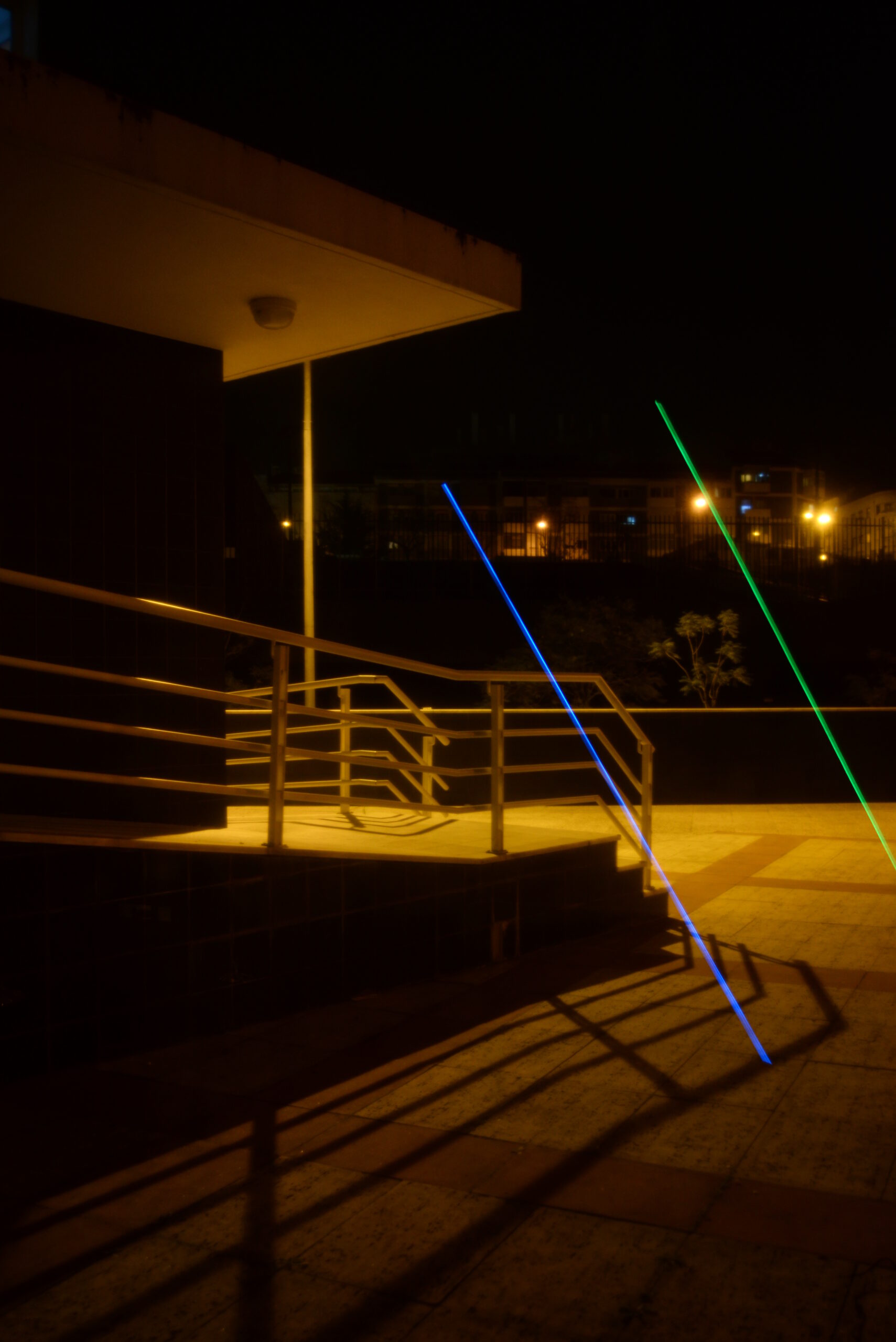
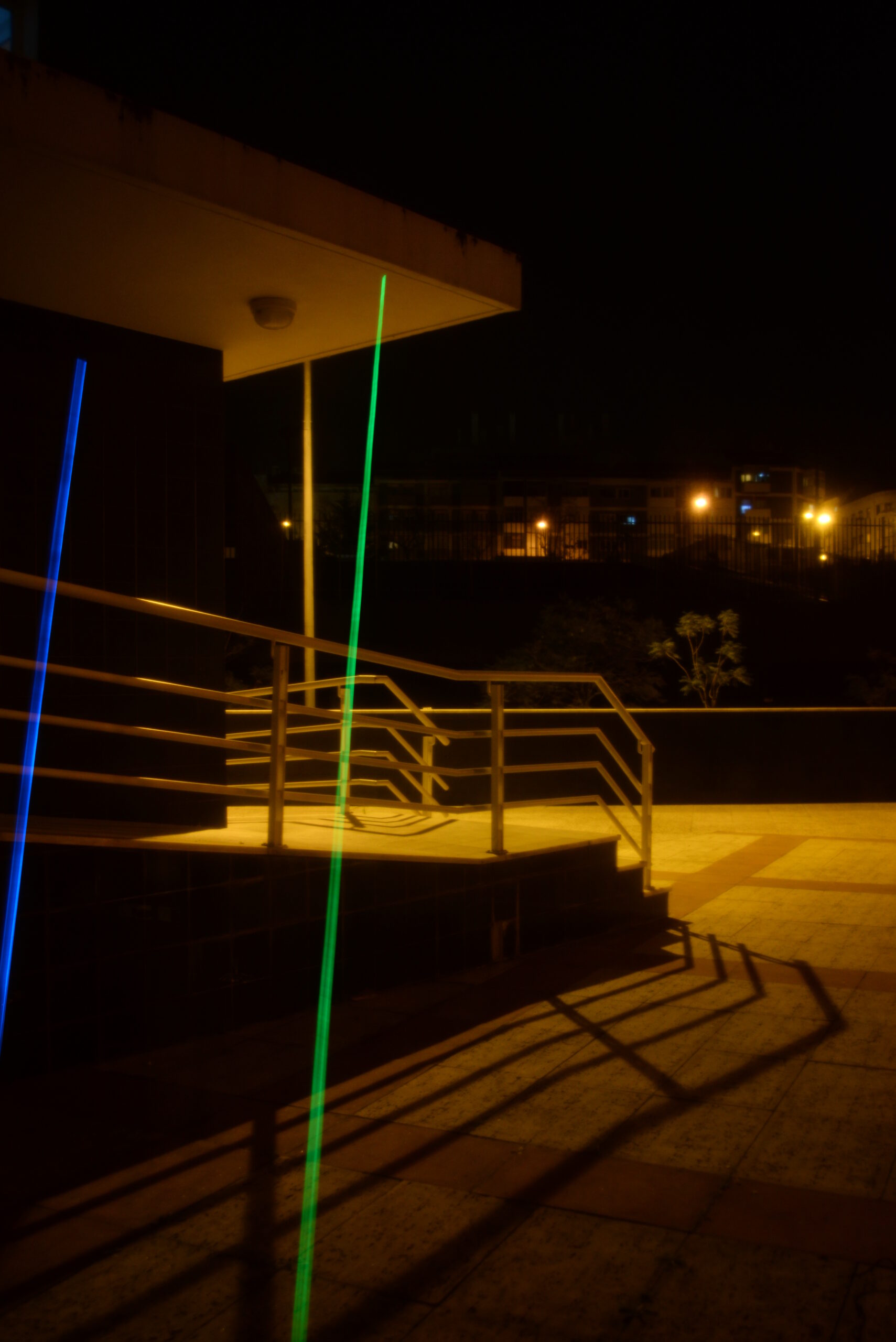
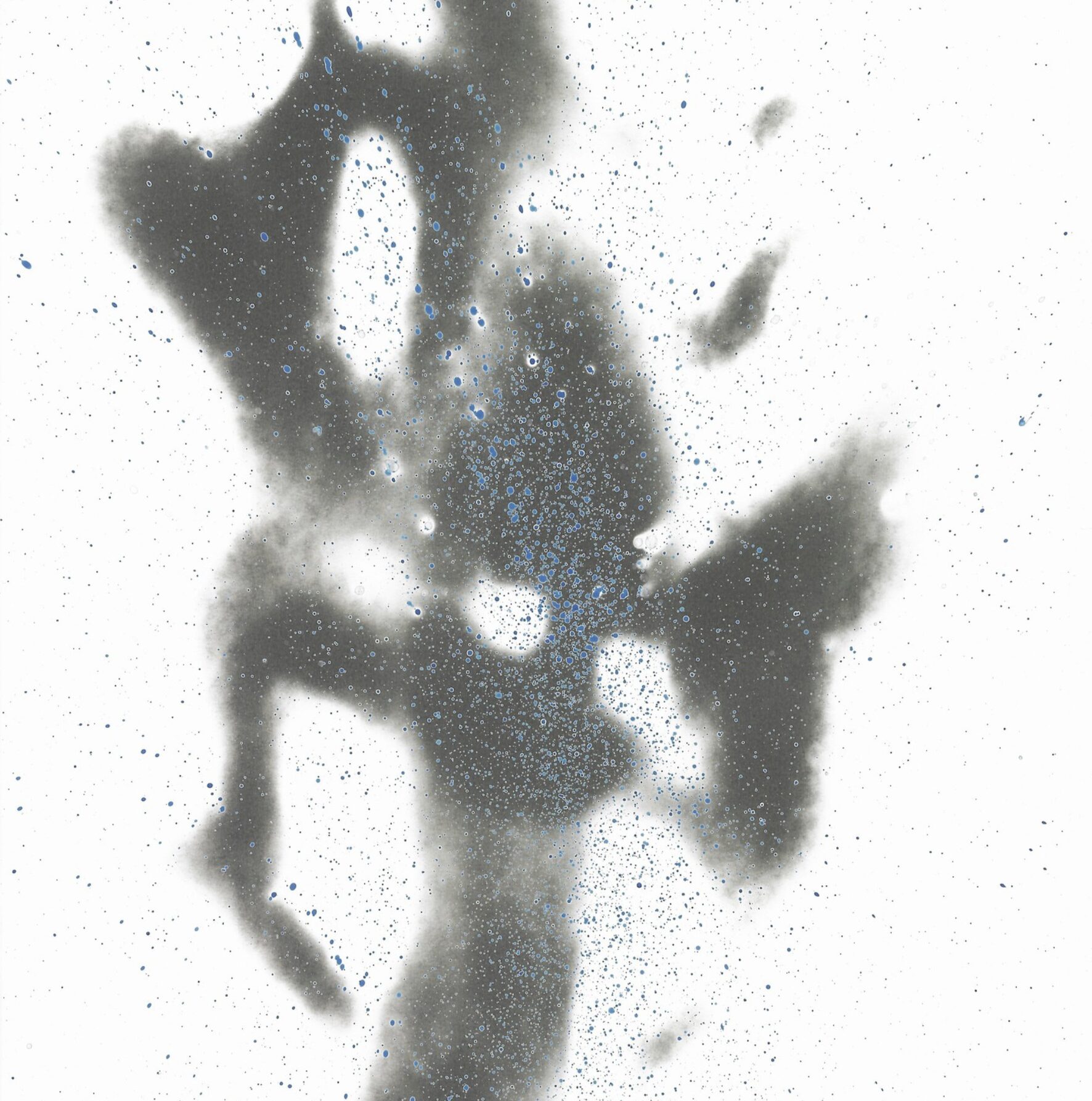
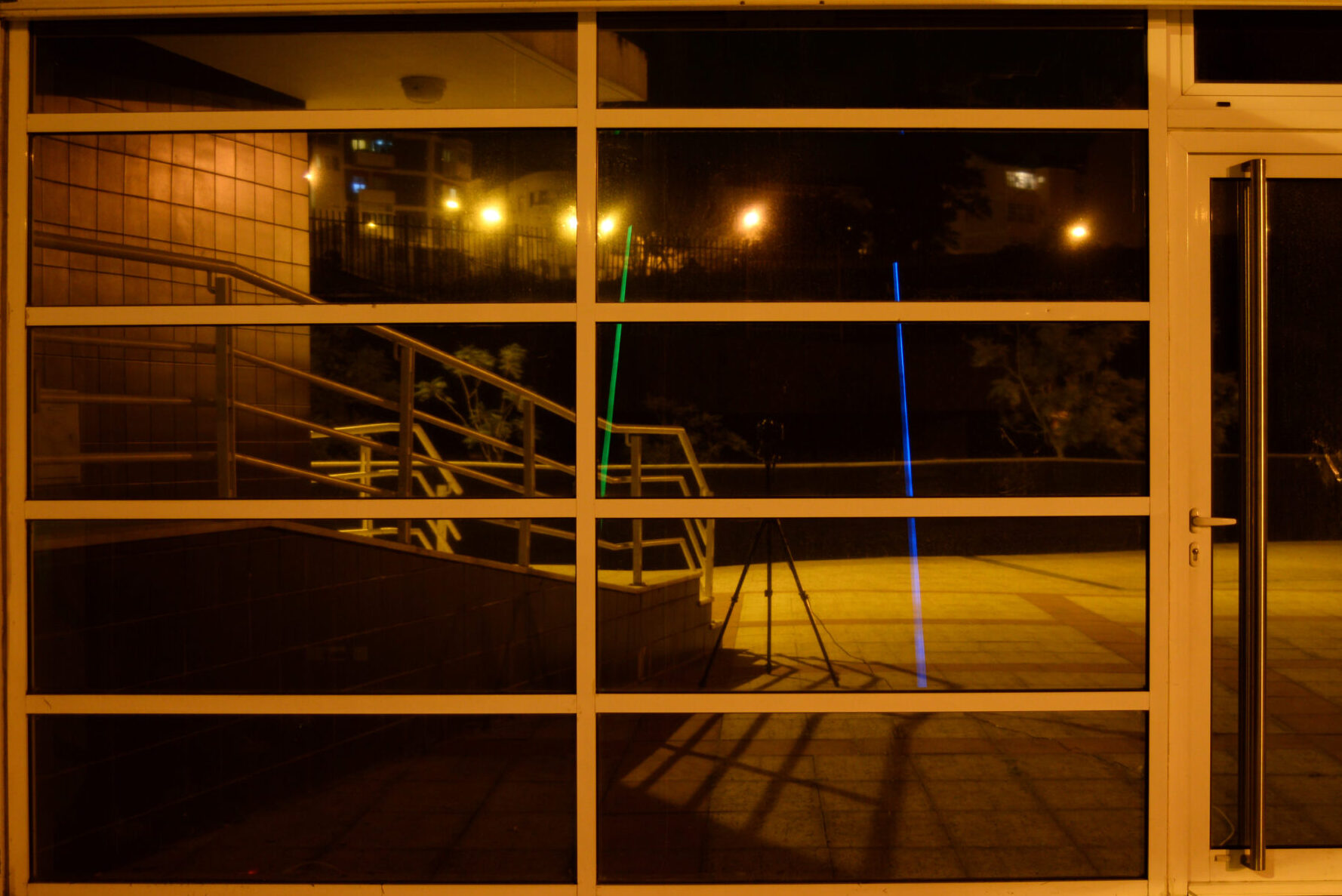
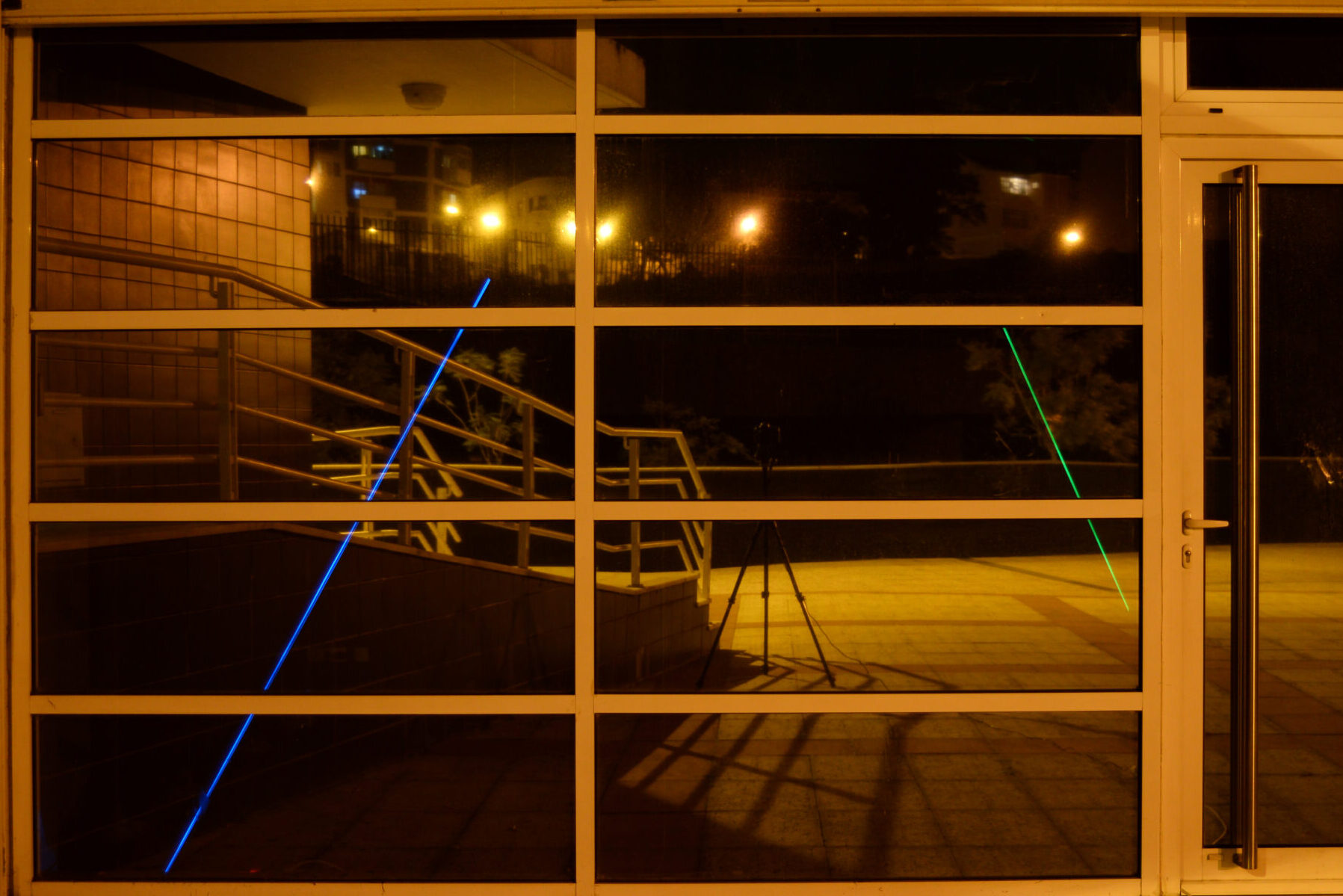
SENSESORS INTIMACY is a performative installation based on a free ‘manipulation’ of the principles and mechanisms of sensory perception, both those that govern our natural experience of reality (which here determine the ‘senses’ part of the title), and those replicated from the latter and applied to machines (‘sensors’). The ability of machines to perceive (and consequently react to) the presence of obstacles or other objects, to ‘remember’ paths taken and to ‘find themselves’ in the environment around them, is not exploited to perform a predetermined task, such as in this case that of vacuuming dust. Their capacity is here employed in a provocatively ephemeral way, for the sole purpose of producing a visual experience that is characterized by its abstract and poetic traits, but also and above all by being based on the total autonomy of its creation process.
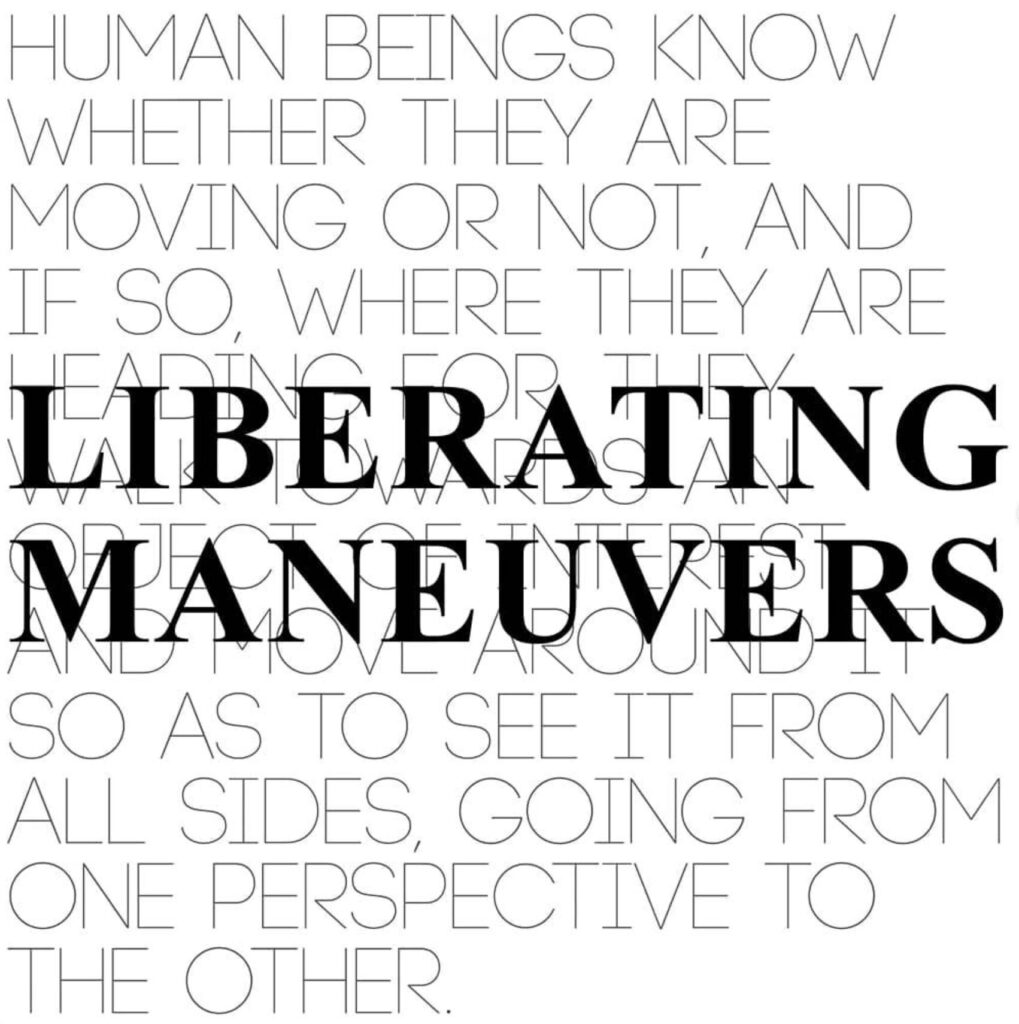
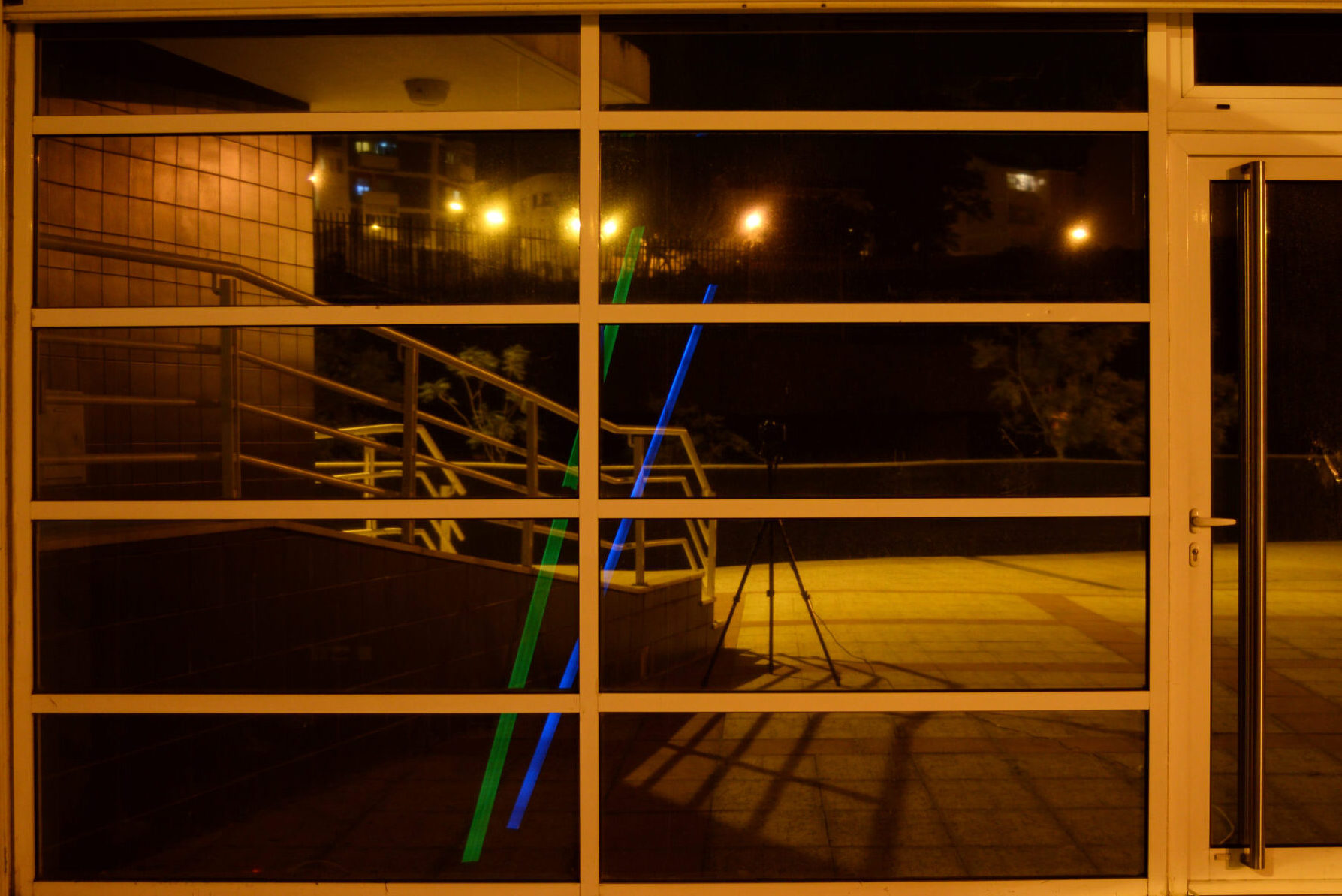
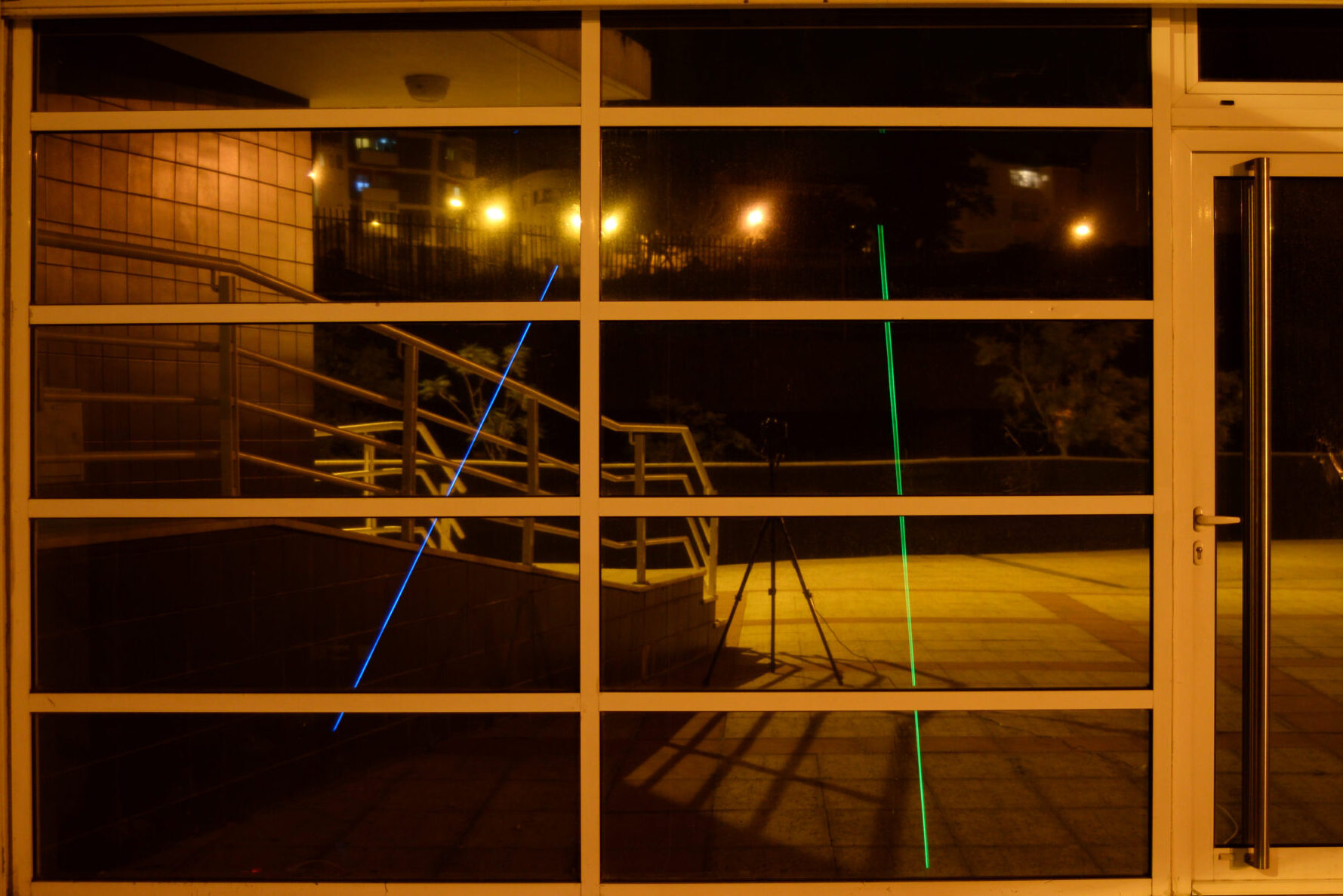
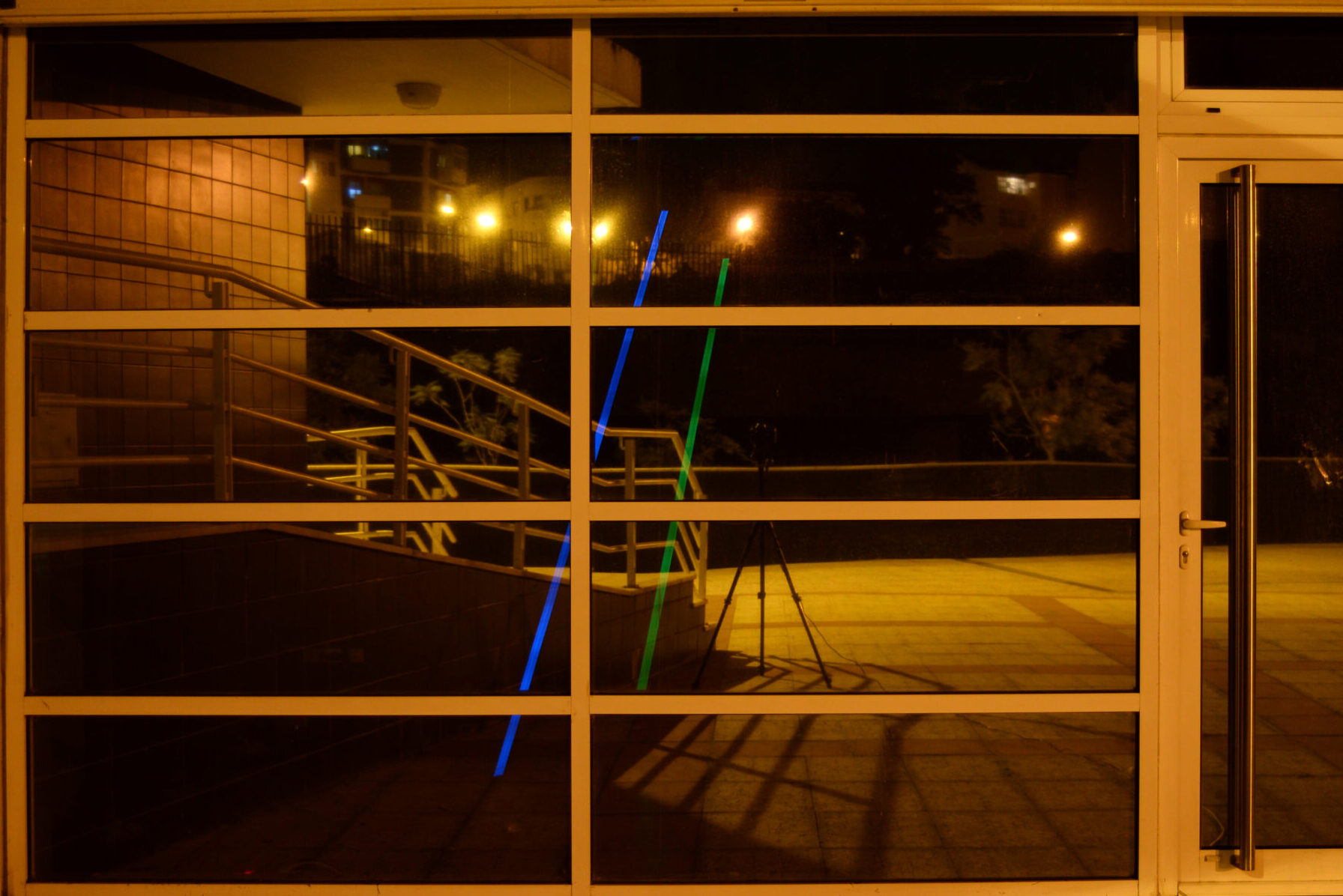
The SPARSE AND DENSE project aims at provoking new visual experiences through the deconstruction of the mechanisms of vision governing our perception of objects, movement, and environment. When the visual system is functioning normally, human beings know whether they are moving or not, and if so, where they are heading for. They walk towards an object of interest and move around it so as to see it from all sides, going from one perspective to the other. People are able to achieve this naturally, without the need to process it, or even acknowledge it. Technological research in the field of visual perception tries to replicate natural vision in human beings: its complexity, organization, and efficiency—mostly to improve the ability of machines to ‘perceive’ their surroundings, detect objects and their velocity, predict their position, and track their motion. It is in this minute space of inconsistency—between what is experienced and reality, as for human perception, and between reality and what it is actually capable to elaborate of it, as for technology—that this project is located. Limits, errors, imperfections, failures—in short, ‘defects’ of both human and technology can unintentionally produce visual experiences, namely by tweaking the parameters of technological apparatuses, or alternatively, by tricking the human sensory apparatus.
OTHER
WORKS