SPARSE AND DENSE #1
LIBERATING MANEUVERS
Enrico Gaido
first SPARSE AND DENSE exhibition
Portugal
27 05 2021 – 18 06 2021

EN
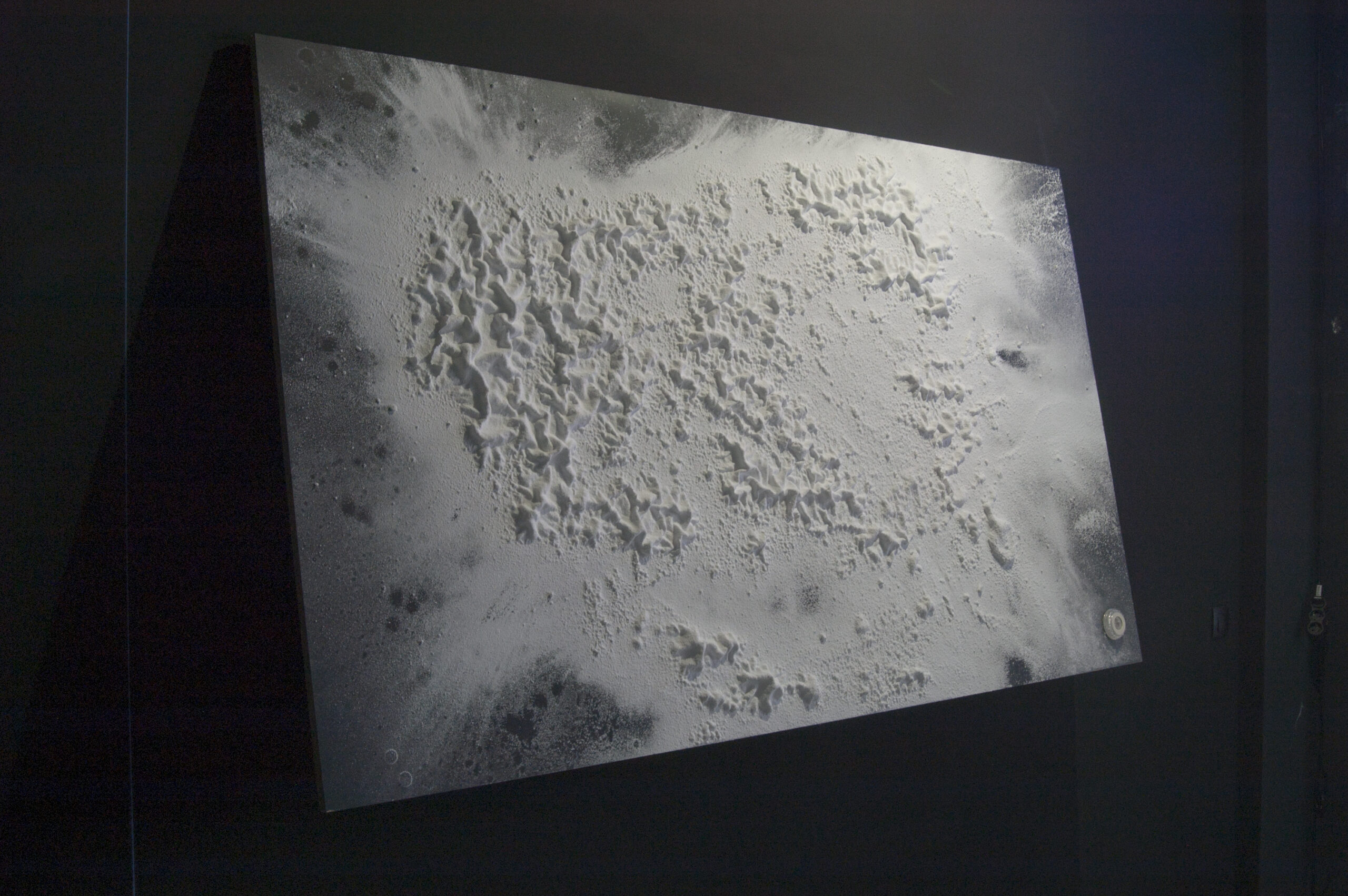
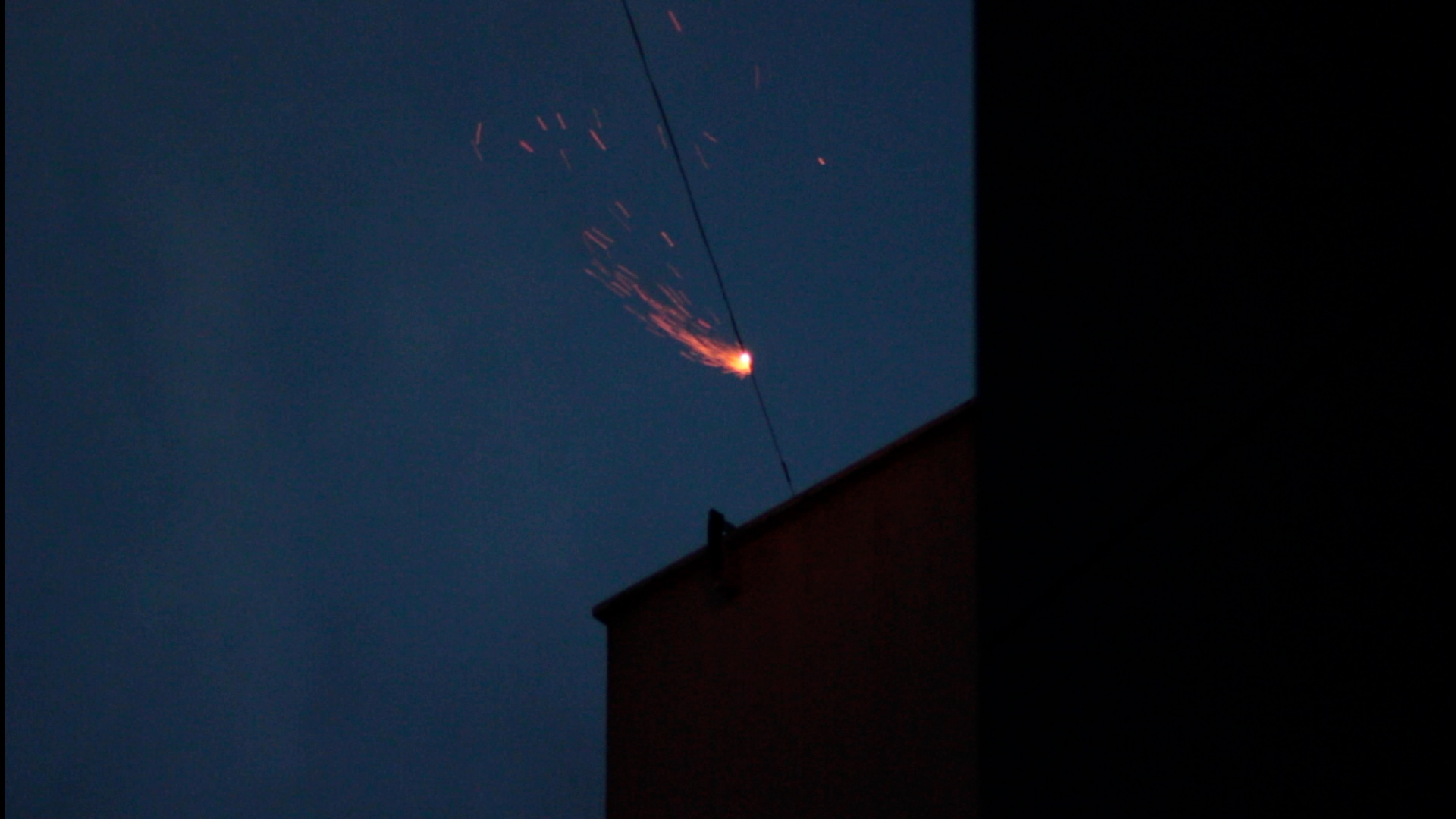
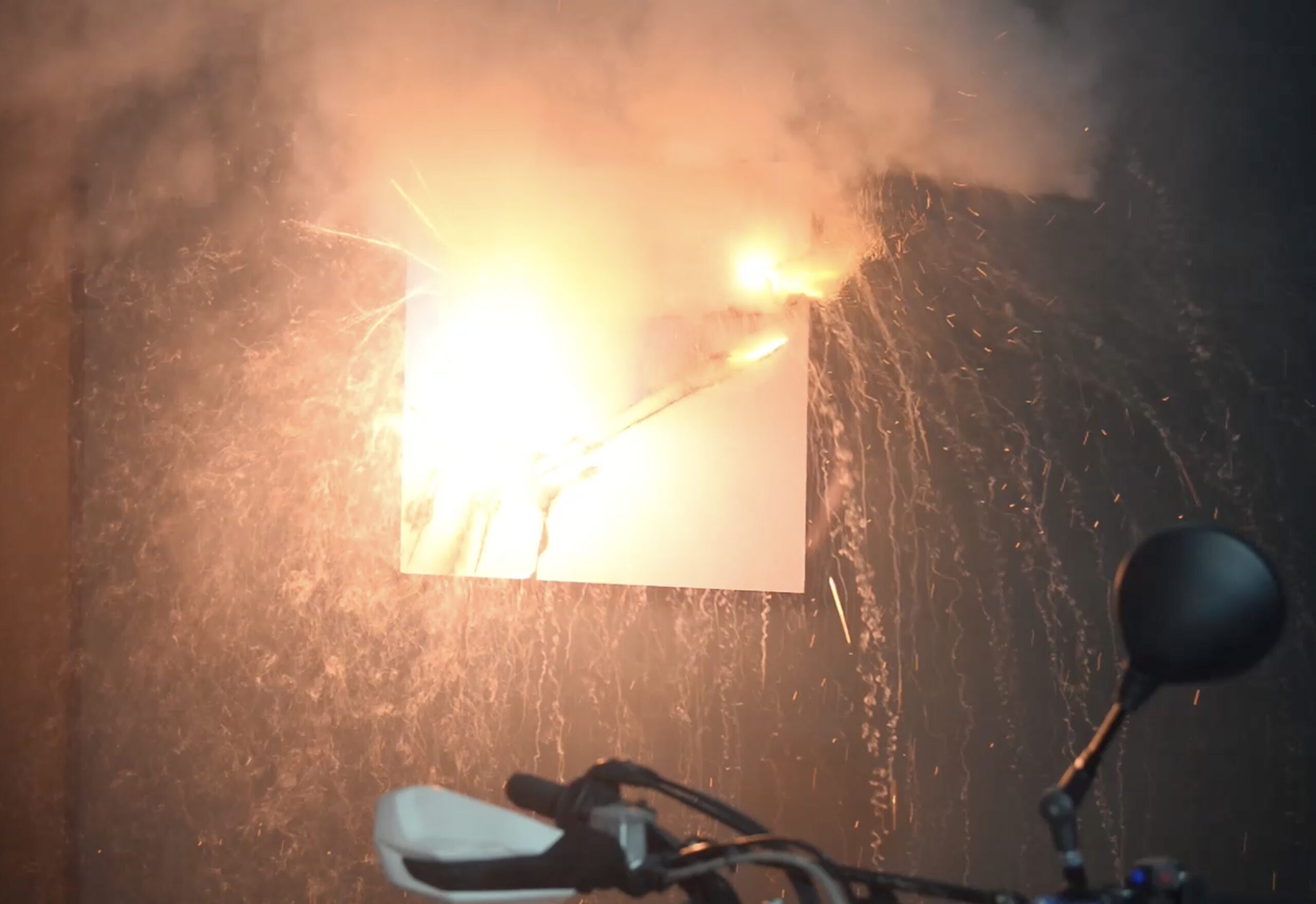
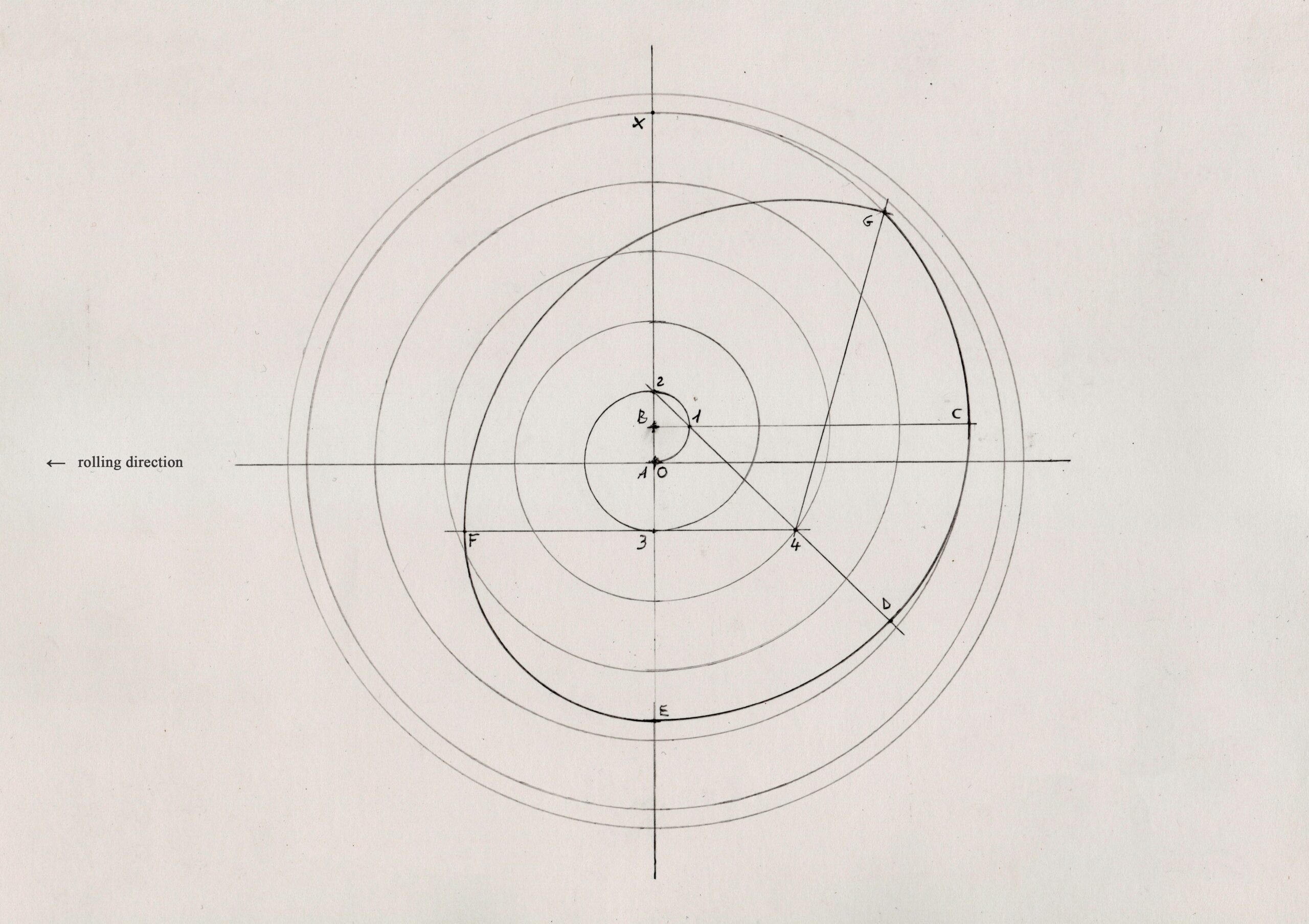
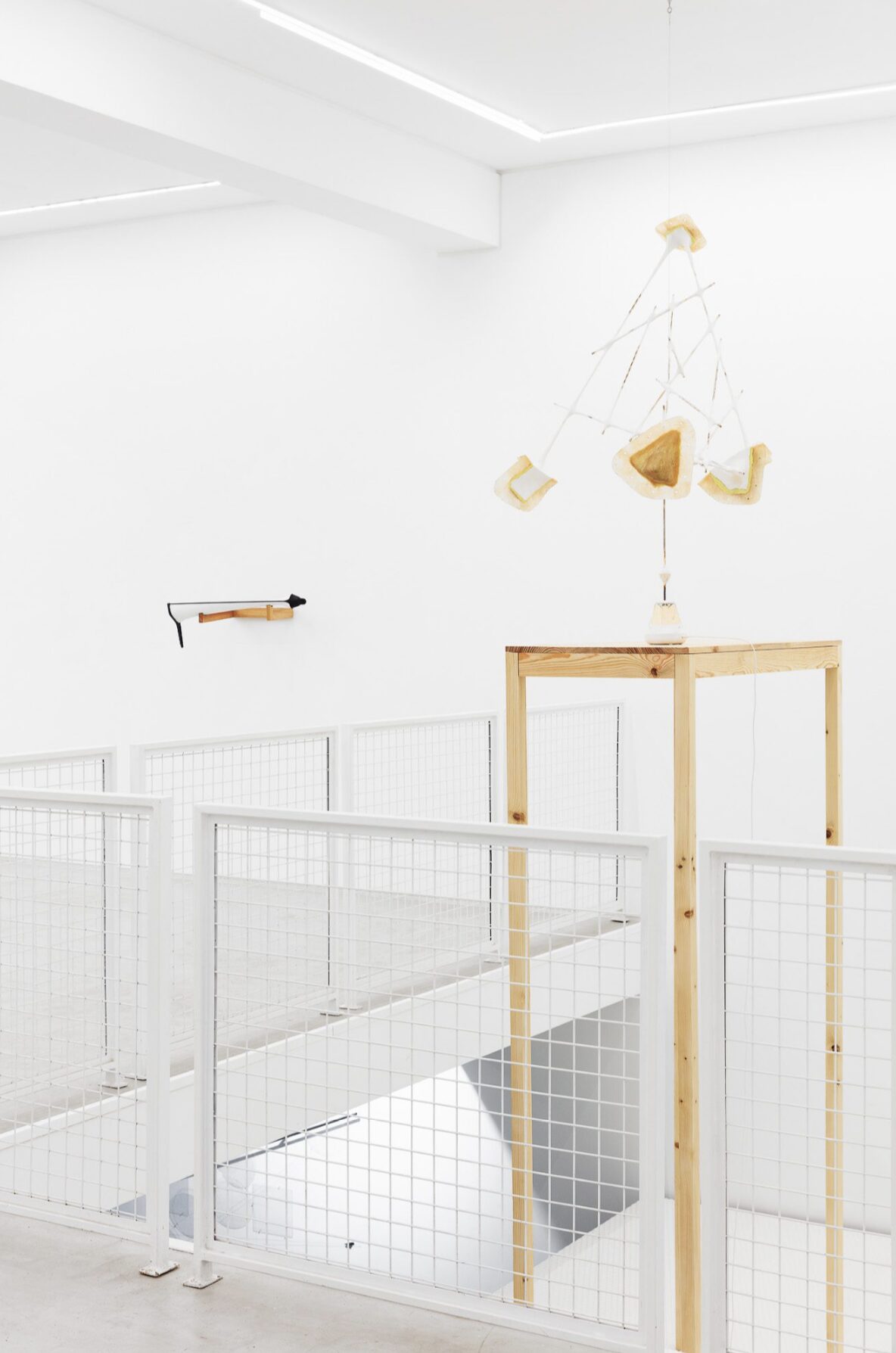
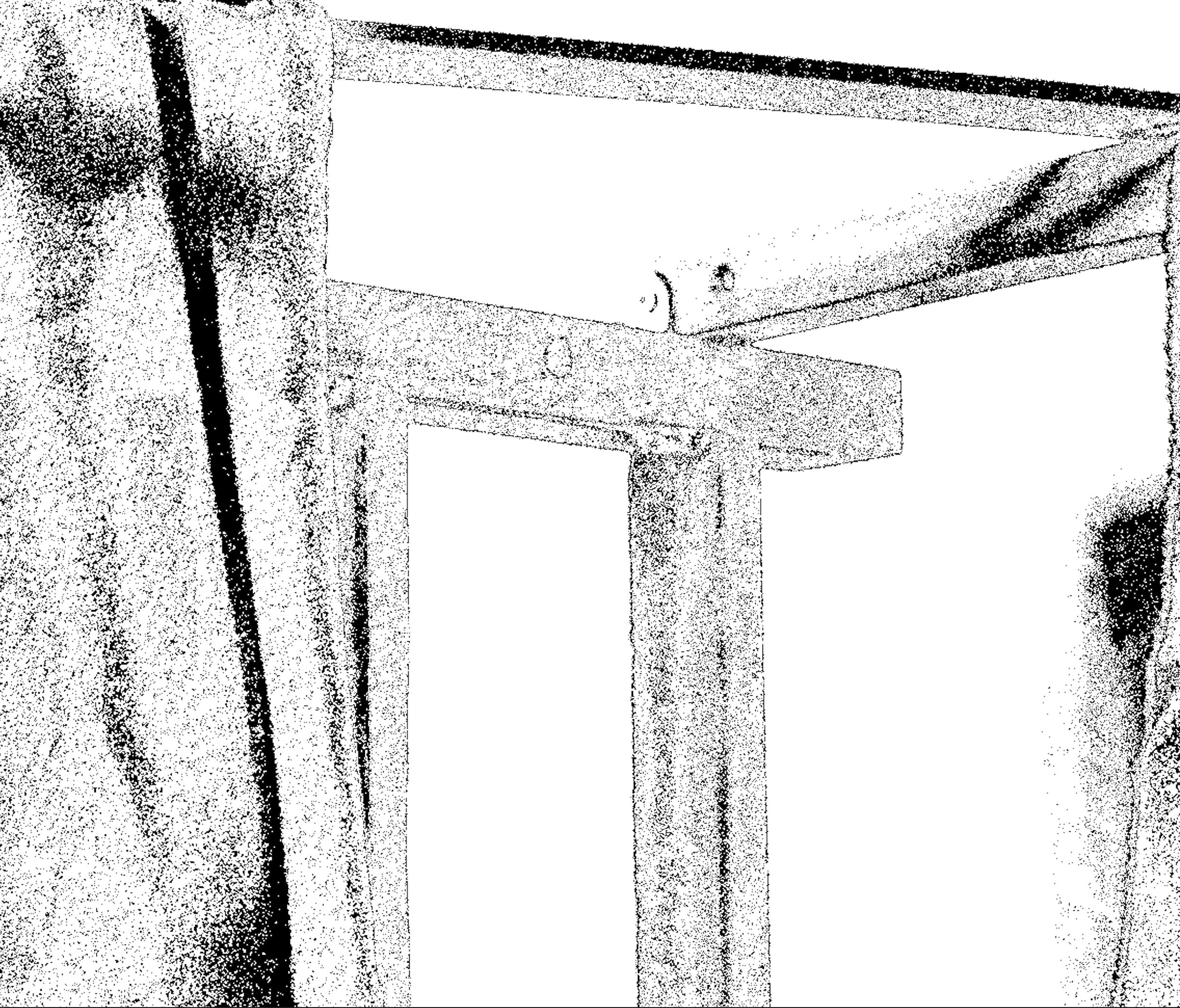
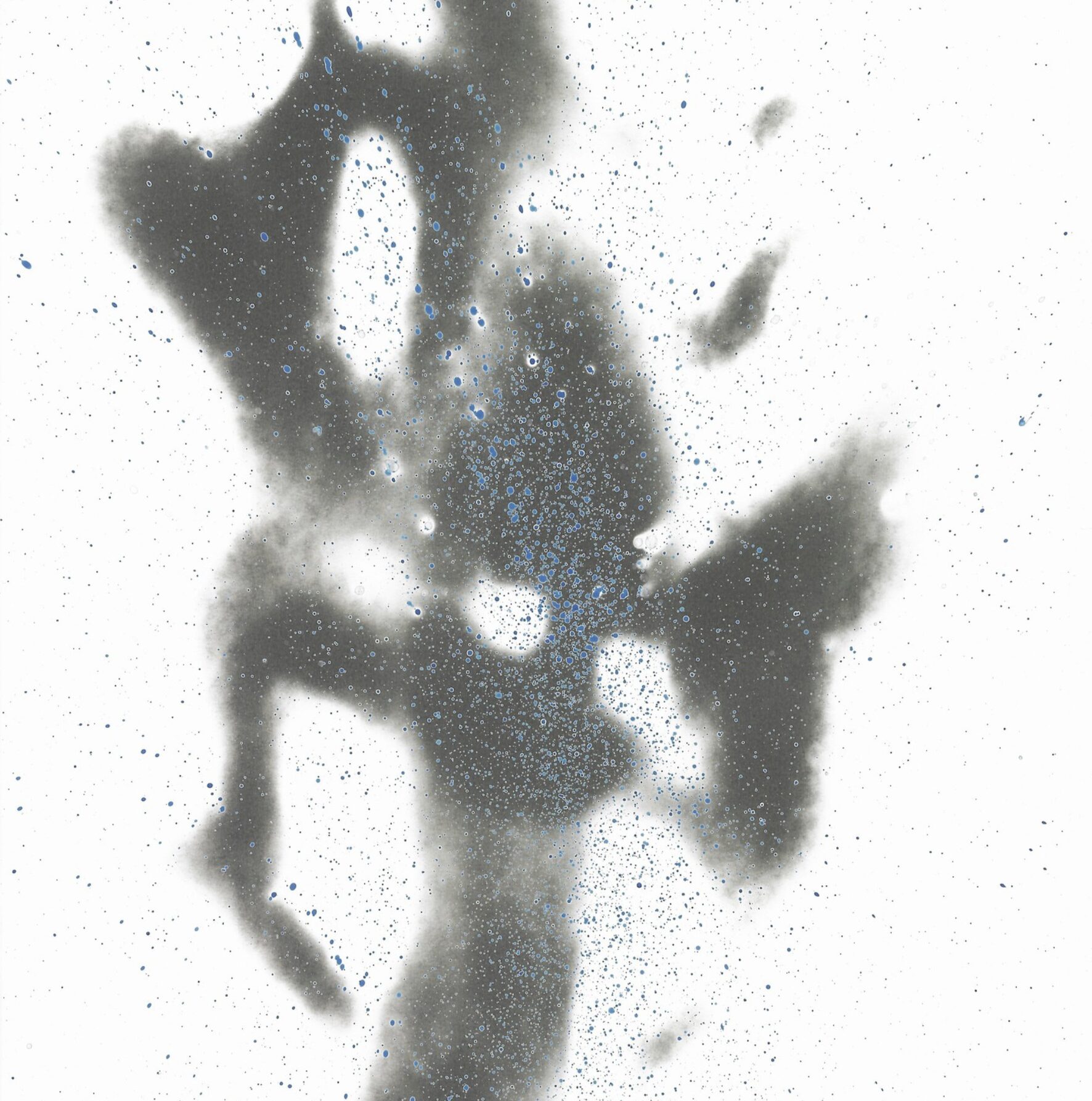
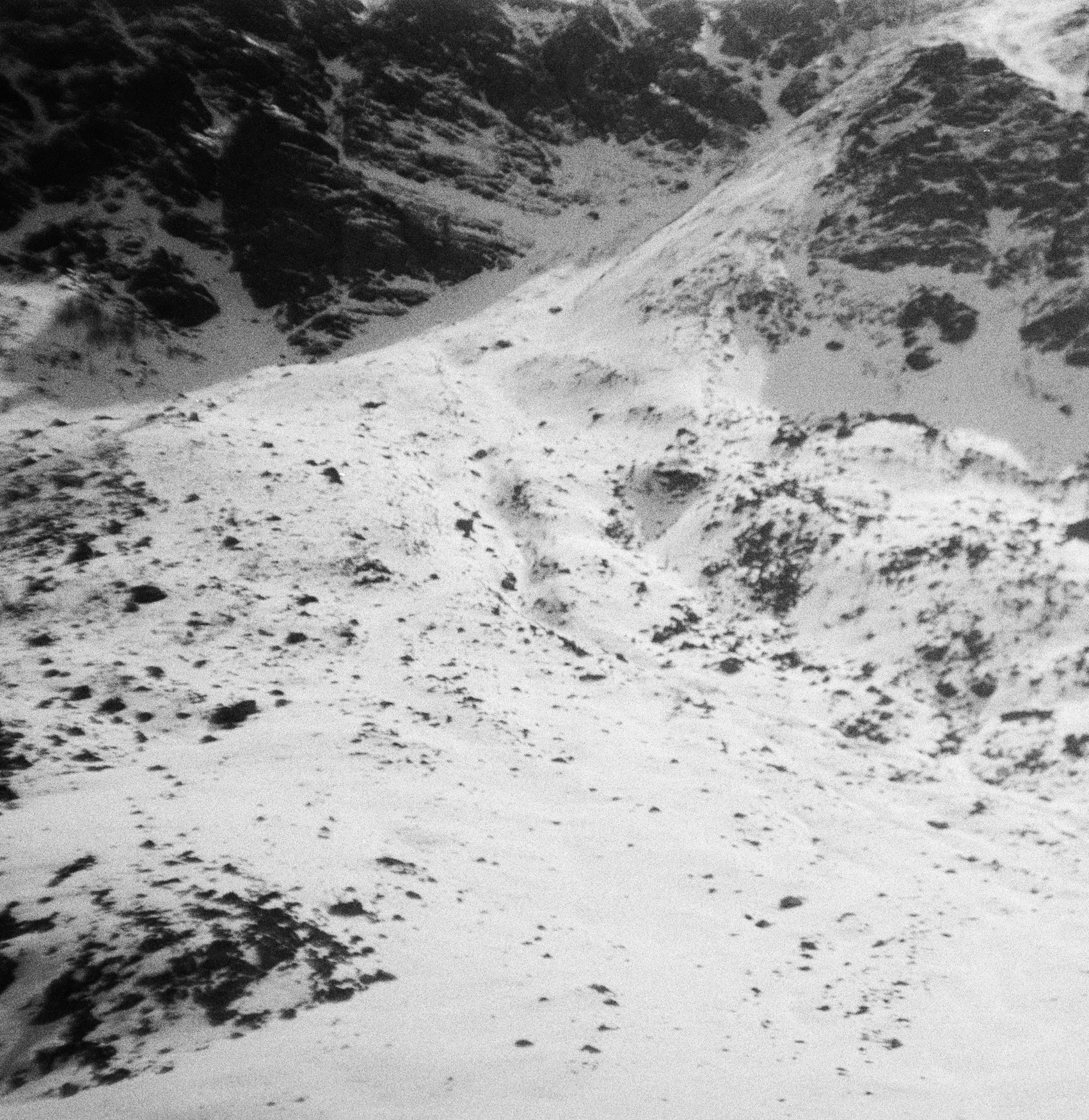
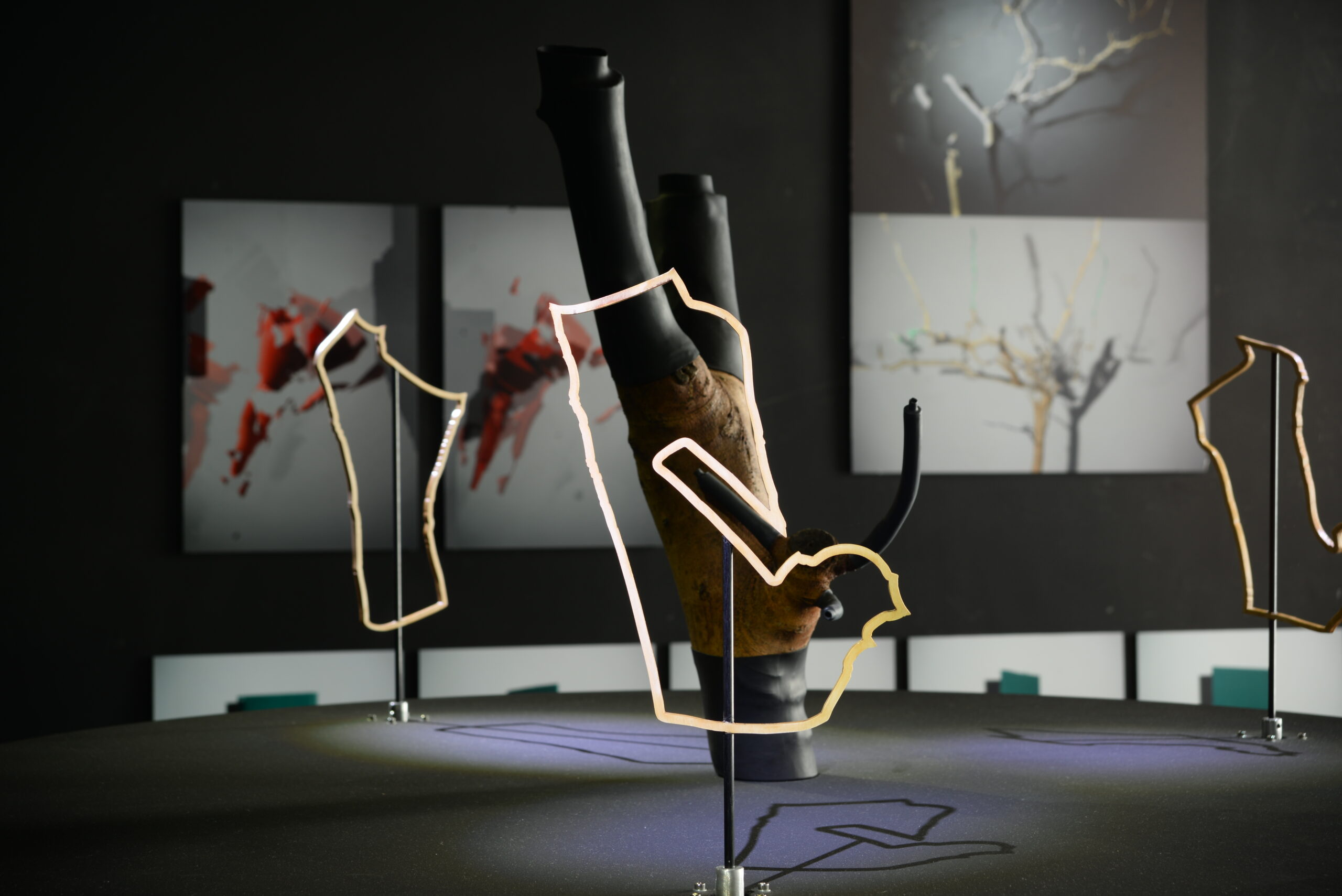
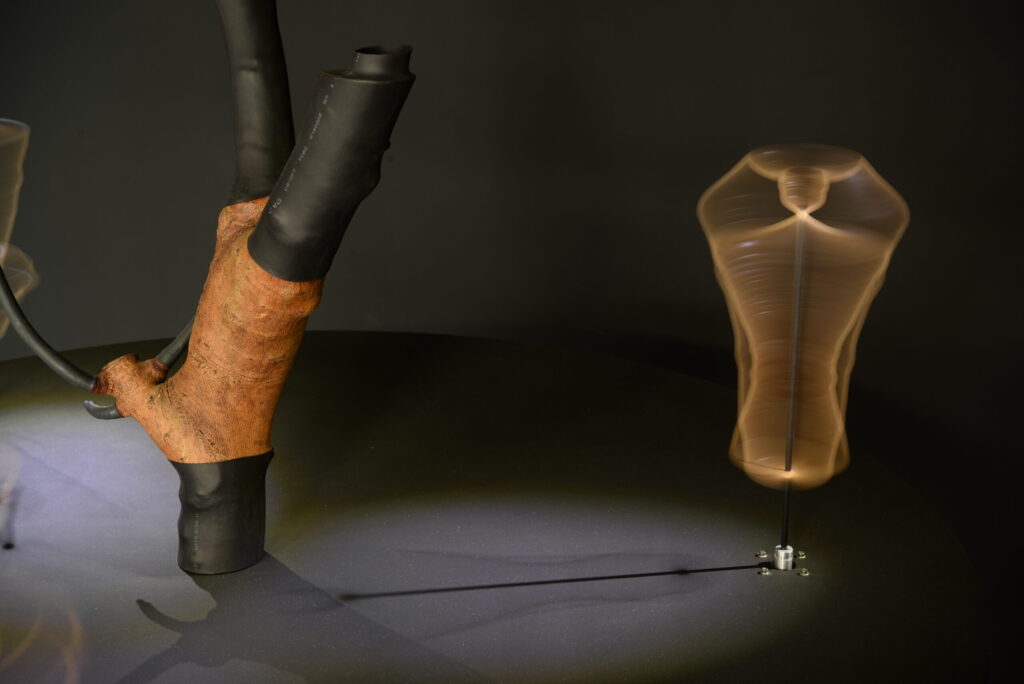
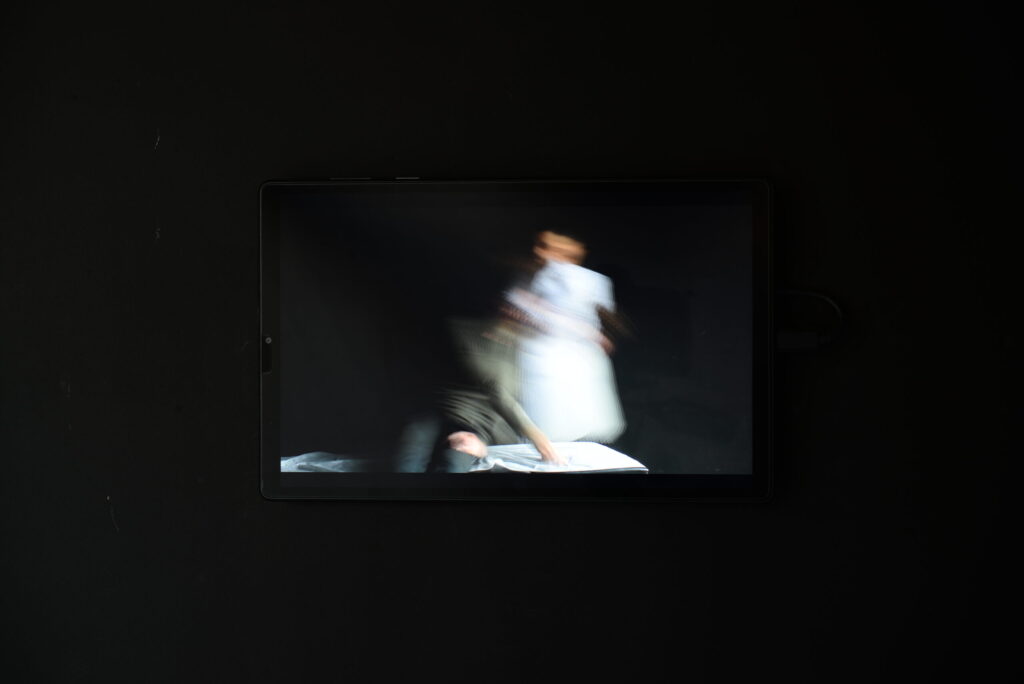
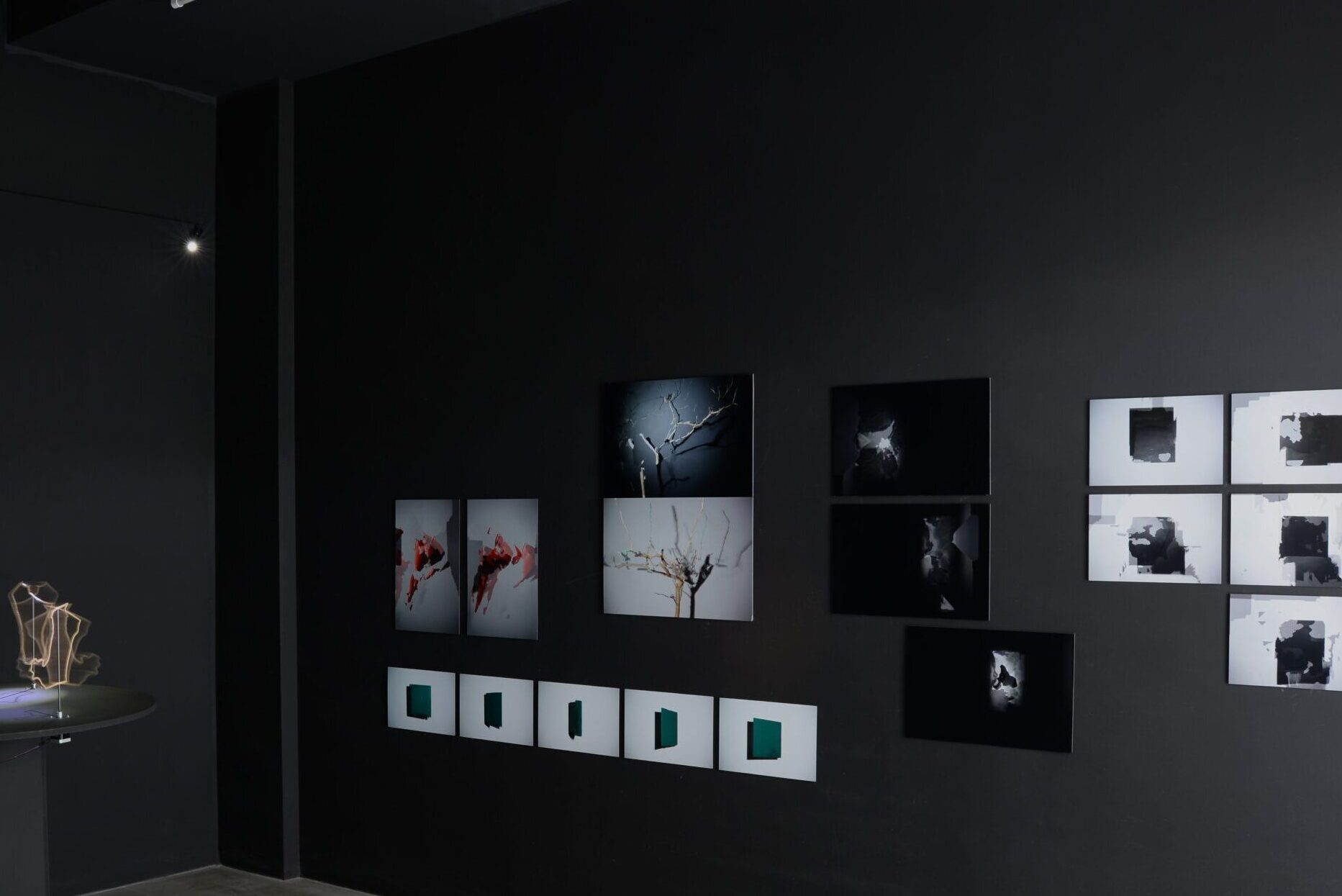
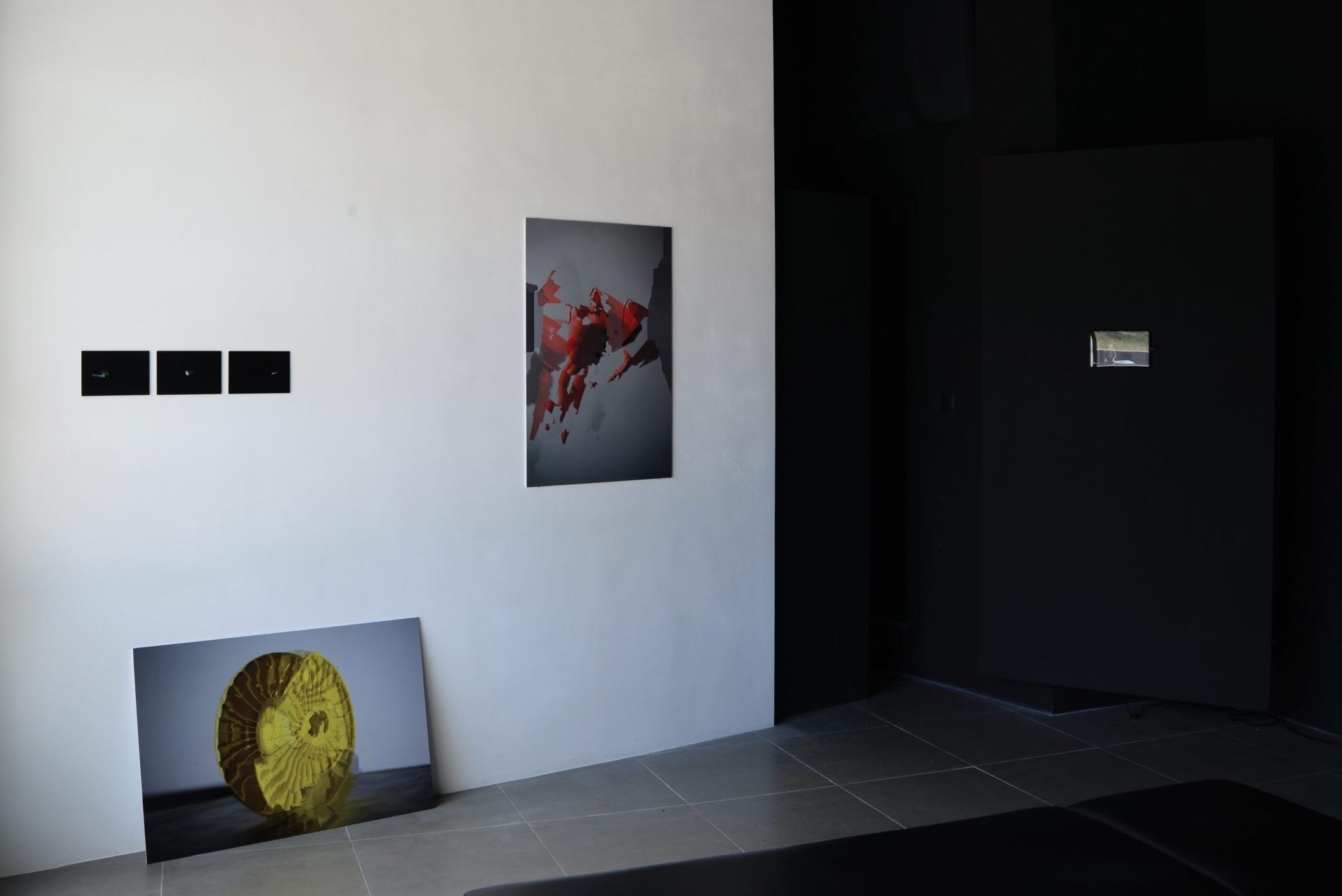
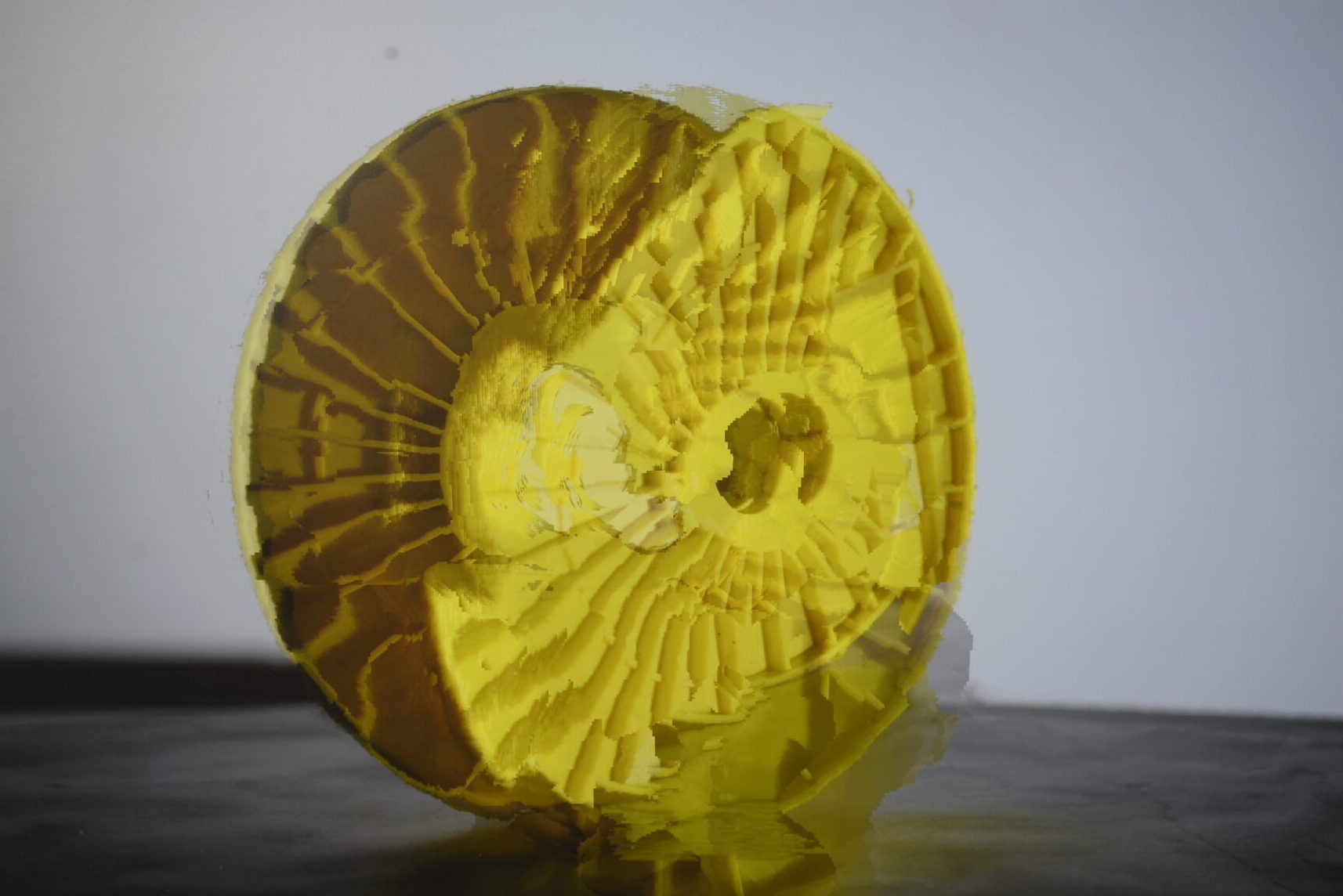
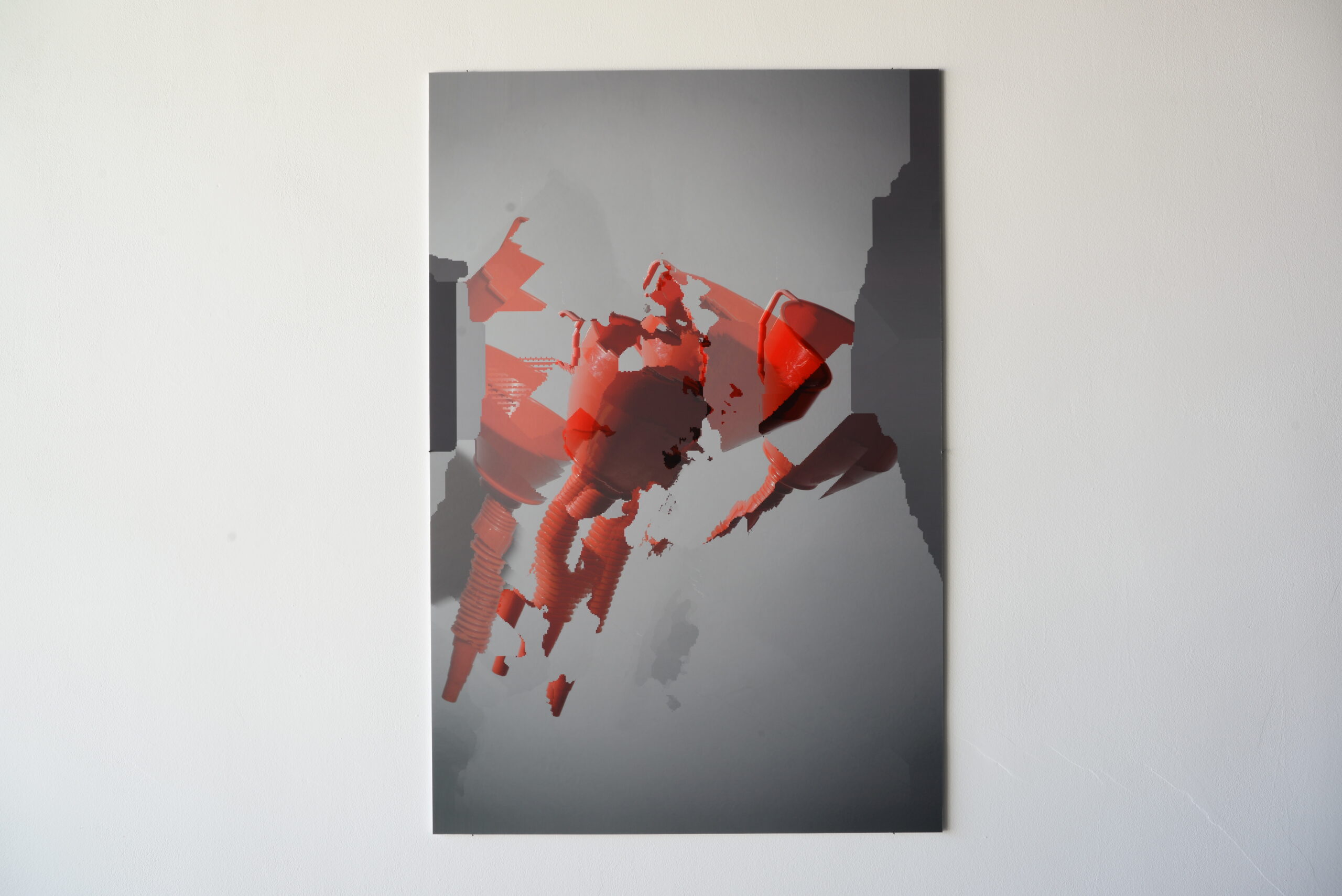
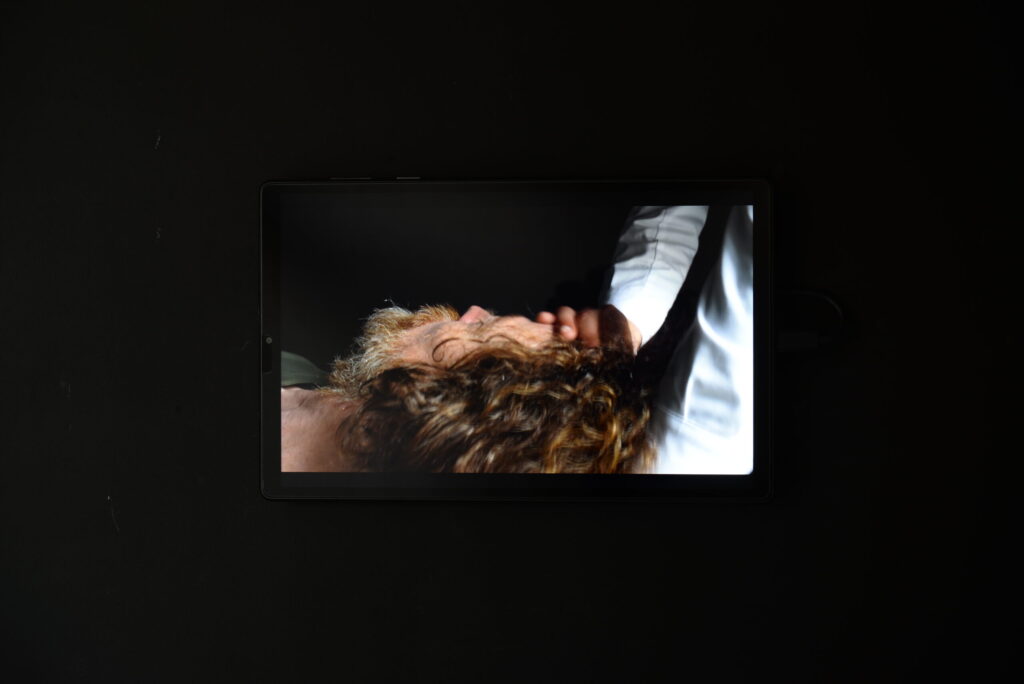
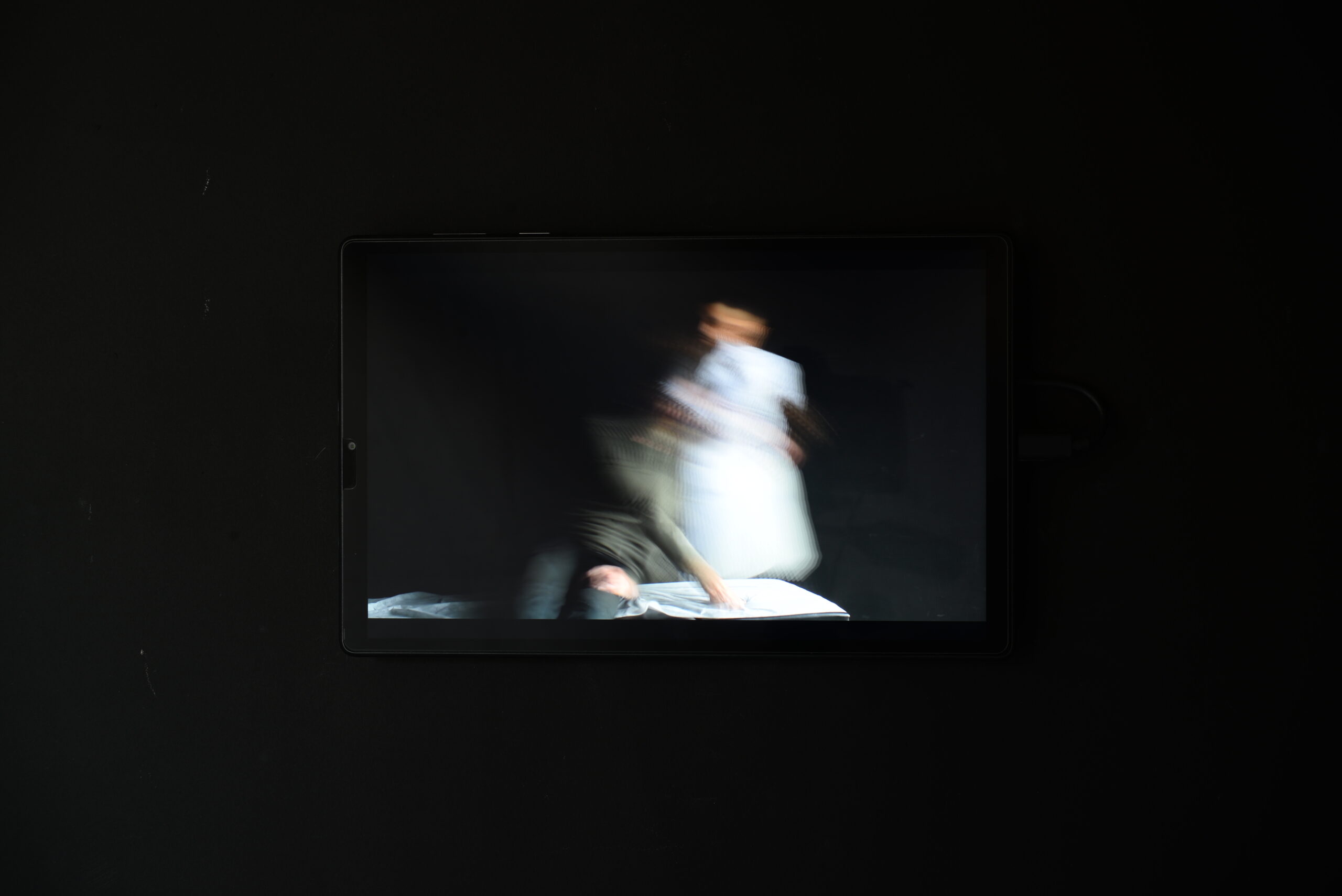
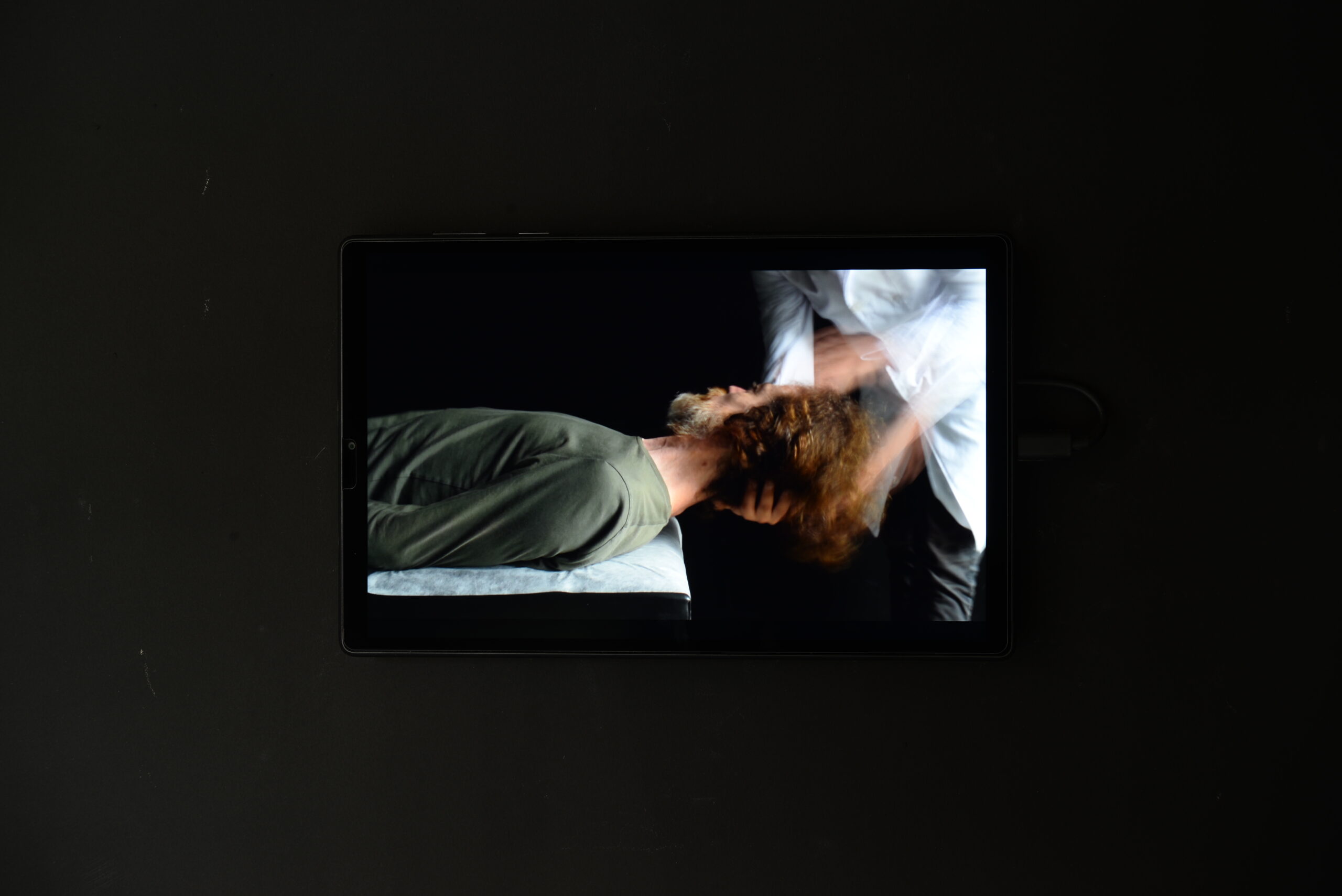
LIBERATING MANEUVERS, first exhibition from the project SPARSE AND DENSE, aims at provoking new visual experiences through the deconstruction of the mechanisms of vision governing our perception of objects, movement, and environment. When the visual system is functioning normally, human beings know whether they are moving or not, and if so, where they are heading for. They walk towards an object of interest and move around it so as to see it from all sides, going from one perspective to the other. People are able to achieve this naturally, without the need to process it, or even acknowledge it. Technological research in the field of visual perception tries to replicate natural vision in human beings: its complexity, organization, and efficiency—mostly to improve the ability of machines to ‘perceive’ their surroundings, detect objects and their velocity, predict their position, and track their motion. Perceptive technologies are beset with limitations as their development is still unable to replicate perfectly our aptitudes, making them vulnerable to glitches. Nevertheless, in certain conditions, even our supposedly exemplary sensory system may be prone to glitches, misinterpreting perceptive data and causing a sense of dizziness and involuntary movements of the eyes. It is in this minute space of inconsistency—between what is experienced and reality, as for human perception, and between reality and what it is actually capable to elaborate of it, as for technology—that this work is located. Limits, errors, imperfections, failures—in short, ‘defects’ of both human and technology can unintentionally produce visual experiences with an aesthetic quality of their own. This project is concerned with the exploration of this dimension, namely by tweaking the parameters of technological apparatuses, or alternatively, by tricking the human sensory apparatus.
IT
LIBERATING MANEUVERS, prima mostra del progetto SPARSE AND DENSE, mira a provocare nuove esperienze visive attraverso la decostruzione dei meccanismi della visione che governano la nostra percezione di oggetti, movimento e ambiente. Quando il sistema visivo funziona normalmente, gli esseri umani sanno se si stanno muovendo o meno, e se sì, dove sono diretti. Camminano verso un oggetto di interesse e si muovono intorno ad esso in modo da vederlo da tutti i lati, passando da una prospettiva all’altra. Le persone sono in grado di realizzare questo in modo naturale, senza bisogno di elaborarlo, o addirittura di riconoscerlo. La ricerca tecnologica nel campo della percezione visiva cerca di replicare la visione naturale negli esseri umani: la sua complessità, organizzazione ed efficienza, soprattutto per migliorare la capacità delle macchine di “percepire” l’ambiente circostante, rilevare gli oggetti e la loro velocità, prevedere la loro posizione e seguire il loro movimento. Le tecnologie percettive sono afflitte da limitazioni poiché il loro sviluppo non è ancora in grado di replicare perfettamente le nostre attitudini, rendendole vulnerabili agli errori. Tuttavia, in certe condizioni, anche il nostro presunto sistema sensoriale esemplare può essere soggetto a glitch, interpretando male i dati percettivi e causando un senso di vertigine e movimenti involontari degli occhi. È in questo minuscolo spazio di incoerenza – tra ciò che si sperimenta e la realtà, come per la percezione umana, e tra la realtà e ciò che si è effettivamente in grado di elaborare di essa, come per la tecnologia – che si colloca questo lavoro. Limiti, errori, imperfezioni, fallimenti – in breve, i ‘difetti’ sia dell’uomo che della tecnologia possono involontariamente produrre esperienze visive con una qualità estetica propria. Questo progetto si occupa dell’esplorazione di questa dimensione, vale a dire mettendo a punto i parametri degli apparati tecnologici o, in alternativa, ingannando l’apparato sensoriale umano.
OTHER
WORKS