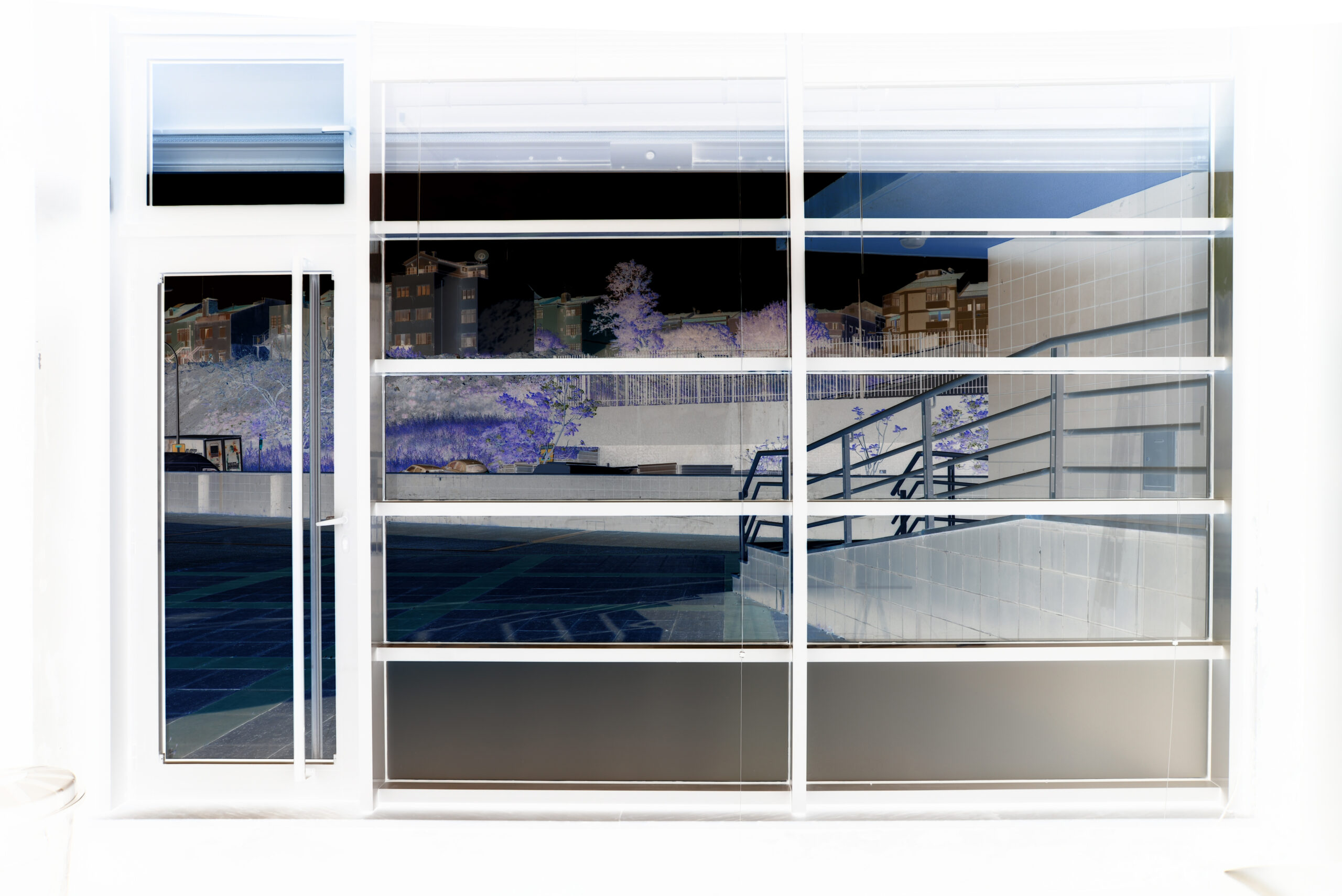
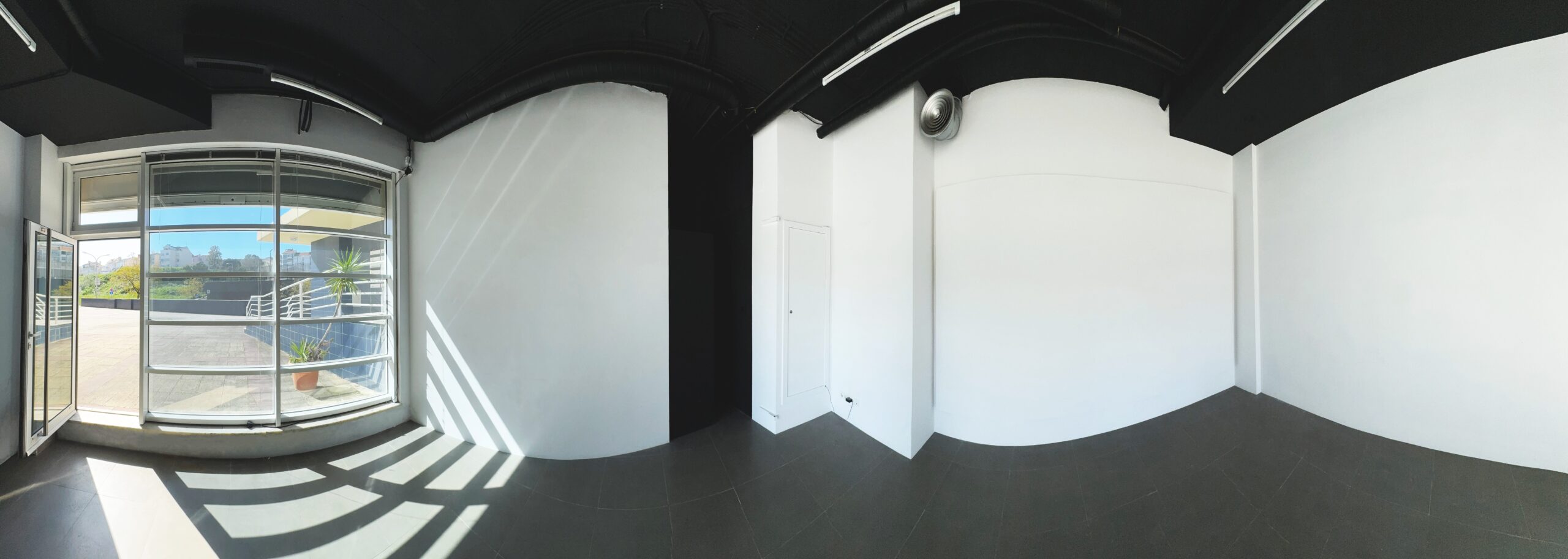
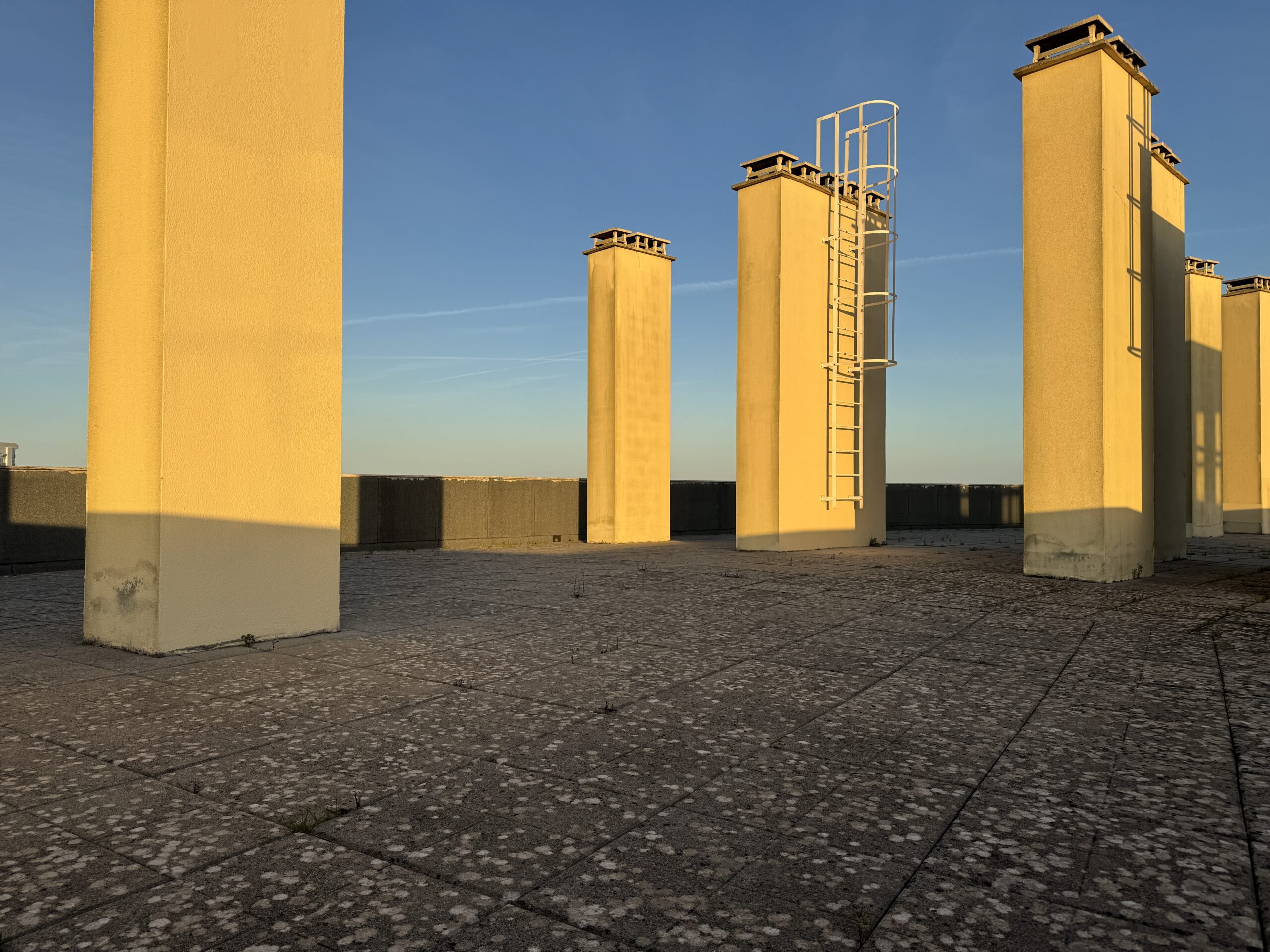
Inaugurated in April 2018 with a first exhibition titled OPEN STUDIO #1, VUG (from 2021, ANE VUG) is located in a small space originally conceived as a shop, which has never been used for this function, as the building to which it belongs overlooks an area without any commercial potential. Located on the border between the central Penha de França district and the Olaias suburb, the building is part of a series of new constructions, built between the late 1990s and early 2000s to satisfy a need for migration of the middle class from the degraded city center to its nearest suburb. However, not having foreseen a real plan of integration with the urban and social fabric of the poorest and most popular suburbs, and following the most recent evolution of the real estate market that has revalued the old historic center of Lisbon, this area is today characterized by a profound lack of identity homogeneity and in a condition of incompleteness that makes it a territory with profound social and economic contradictions. Located behind the Escola Secundária Artística António Arroio, from the studio window it is often possible to see horses or sheep grazing in the semi-abandoned meadow; a stone’s throw away, the Olaias metro station, considered in 2012 as one of the most beautiful and modern stations in Europe; in between, the ancient district of Picheleira; while from the roof of the 8-floor building, the river and its city, in all its directions, reveal themselves.
RSPV (Répondez, s’il vous plaît)
SPARSE AND DENSE
EVENTS
PROJECTS
RSPV (Répondez, s’il vous plaît)
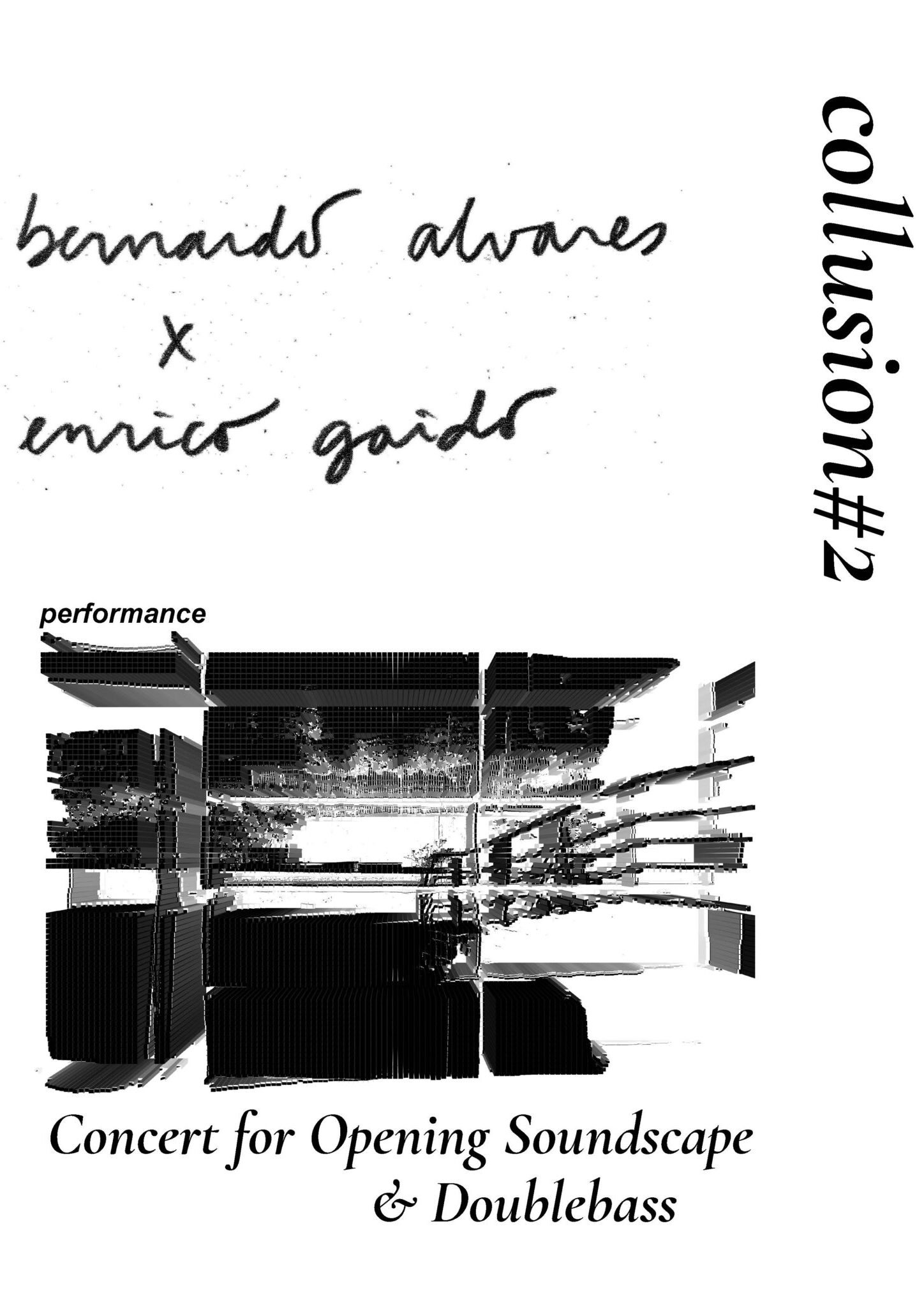
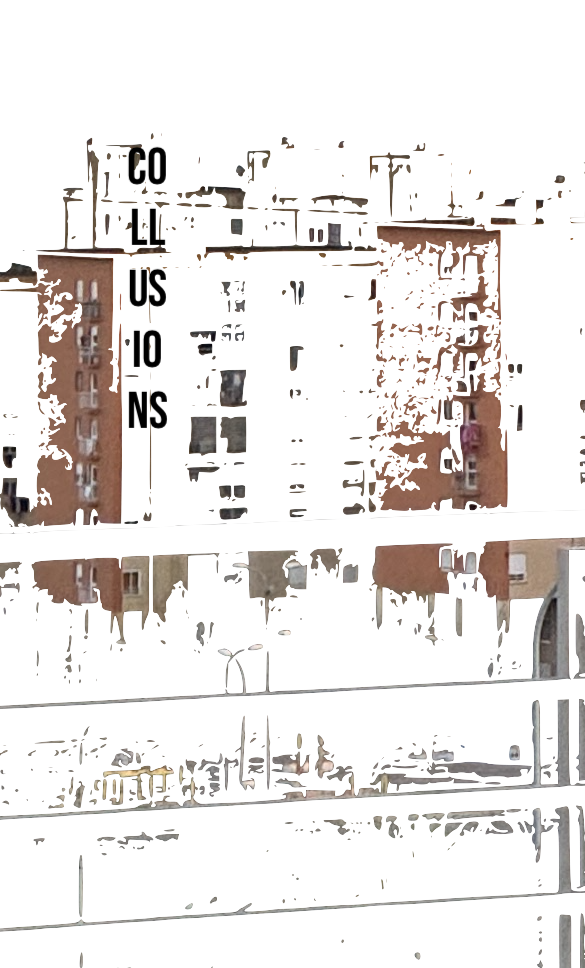
The RSPV project (Répondez, s’il vous plaît), wants to propose a series of invitations, or rather collusions, ‘fraudulent agreements stipulated between various parties’, which are established between the subject who runs the space, a subject invited and the public.
Not pursuing a commercial goal, but with the purpose of being a place where thinking and making art takes palace, VUG does not want to be an ‘alternative space’, a ‘middle ground’, a reality or a ‘solution’ to which one falls back on replacing it with something else that is missing. It does not want to be a cultural, artistic or political activity that polemically contrasts with the official, shared and dominant models, but rather a space that ‘proceeds in alternating way’: goes reciprocally in a sense and in the opposite direction, like a connecting rod- crank mechanism that produces a rotary motion, a space in which incoherence and contradiction are a motor of thought rather than its limit.
In this sense the term ‘collusion’, used to define the invitations for the RSVP project, was chosen because of its nature of being a clandestine agreement between two or more people to achieve an end, an end that is by definition considered illegal, or not allowed by the moral norm or by civil or religious laws. A collusion is also a secret and fraudulent agreement between political exponents or public administrators and organized crime, or a contingent understanding, on a tactical level, of political parties, economic forces or social organizations, which are programmatically opposed. Most important of all is that at the base of the collusion there is an understanding between various parties in order to obtain mutual benefits.
Sparse and Dense
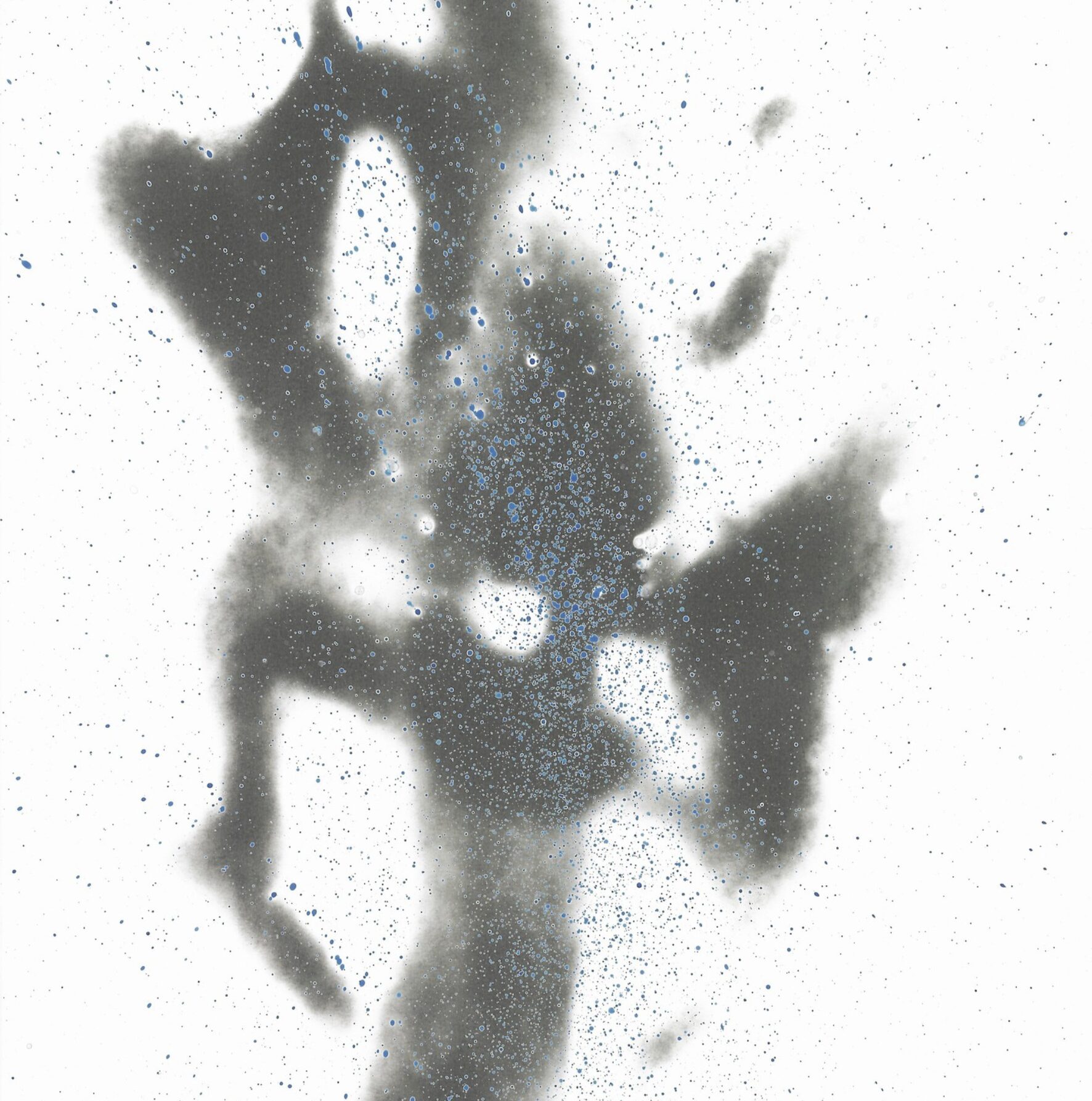
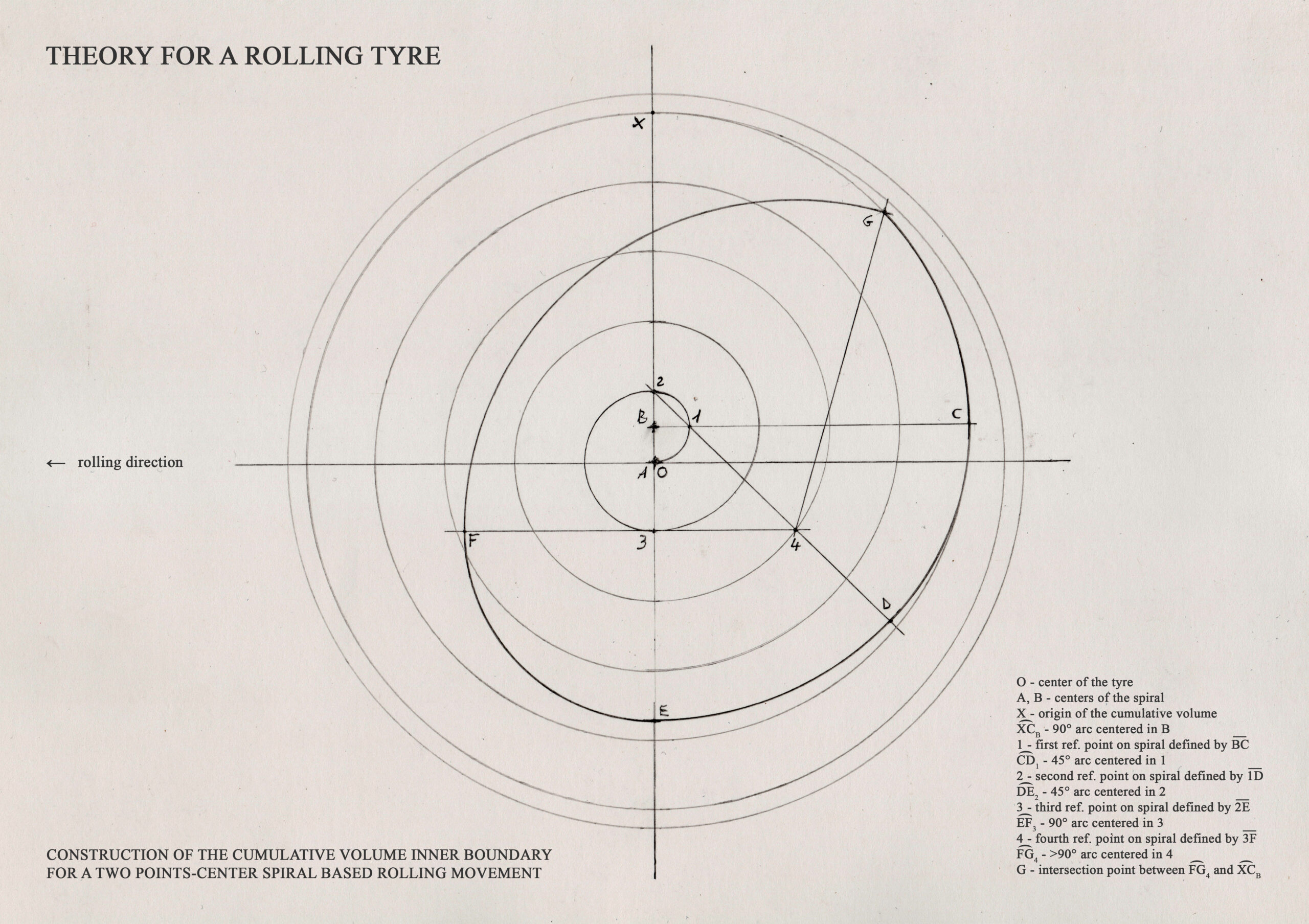
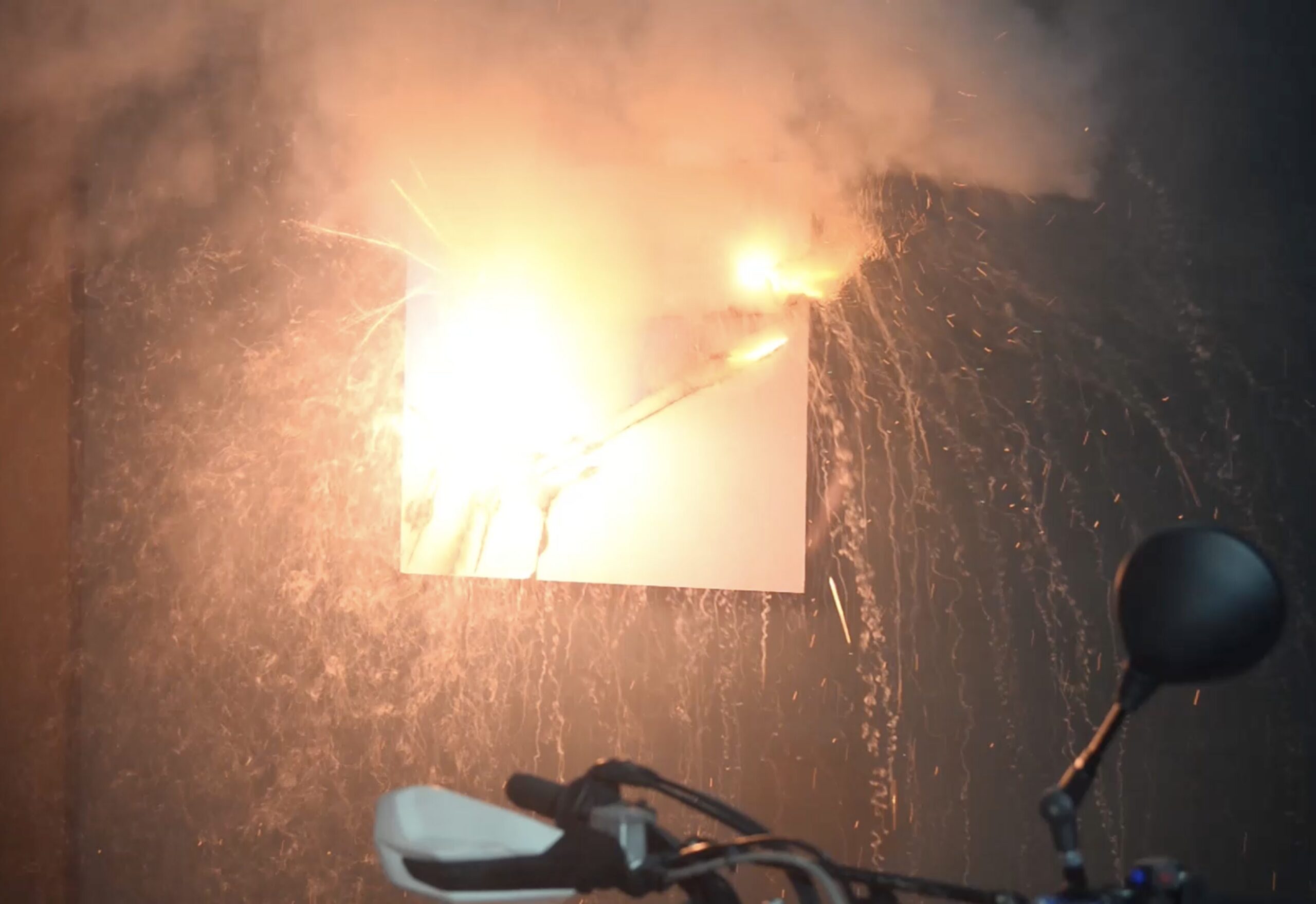
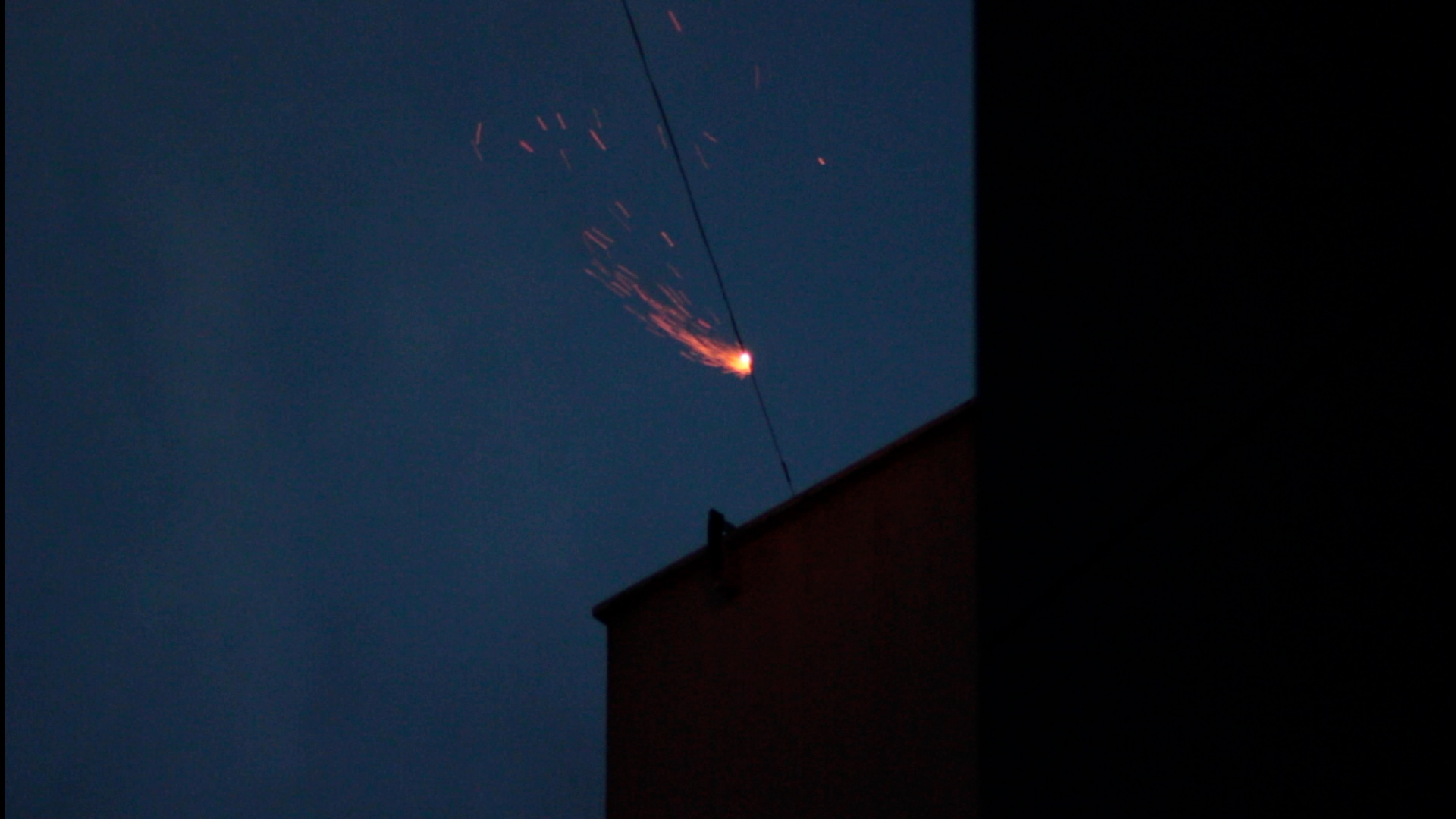
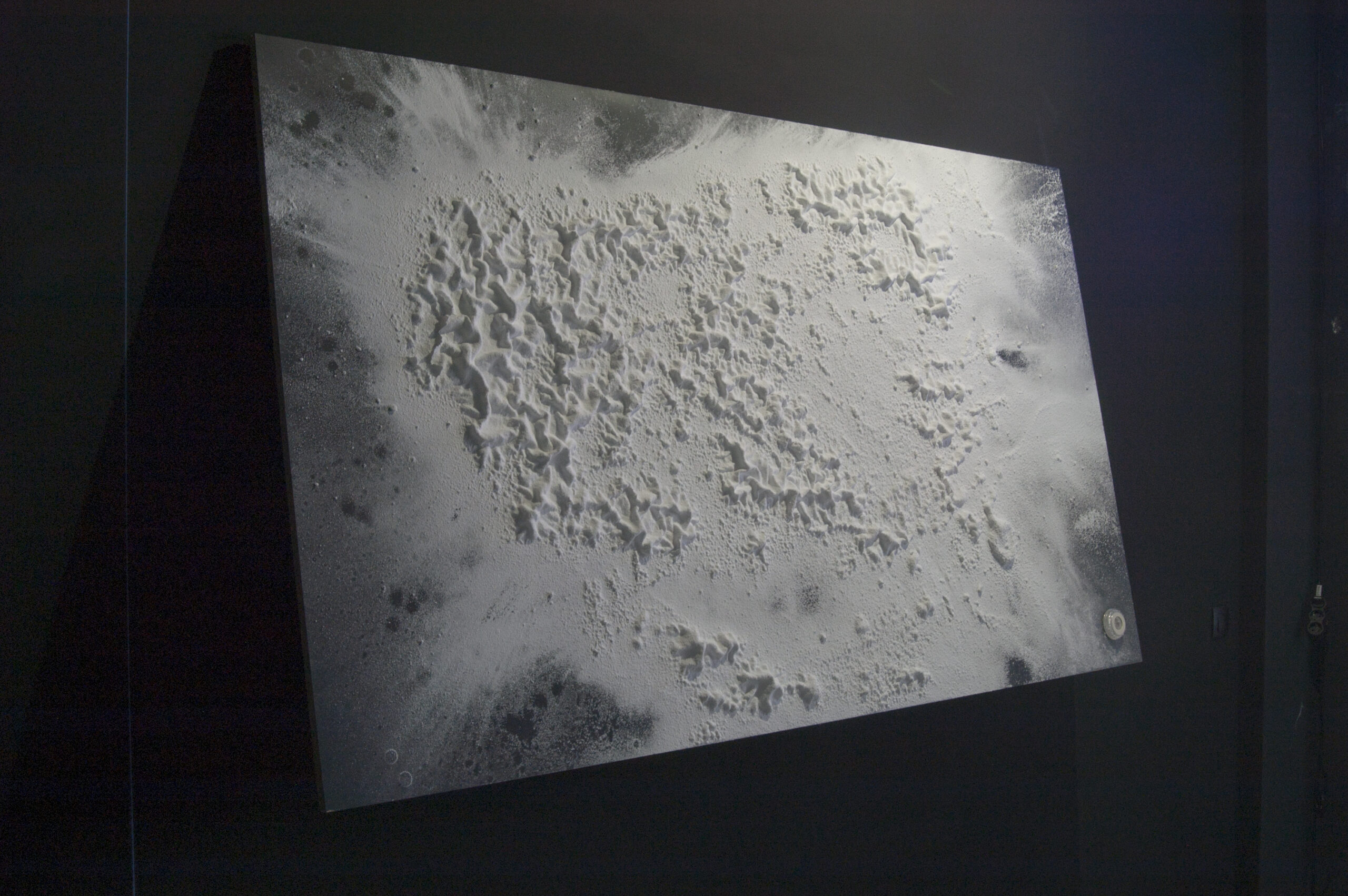
The project SPARSE AND DENSE was born as a natural evolution of a previous research on the concepts of ‘volume’ and ‘movement’ of a body in space and their representation; research related documentation). Just during the development of these works I came across the text that then materialized in the series of works SCULPTURAL OCCURRENCES of 2019 (see addition to being an essential study on how human vision works, gave me the ideas for a new of J.J.Gibson “The ecological approach to visual perception” (1979), whose reading, in reflection on the representation of reality, investigated through the mechanisms by which we how we see the environment around us, but also the perception of where we are in relation to perceive reality. The object of the analysis of the American psychologist is in fact not only from the simplest to the most complex. Hence the fundamental concept, first introduced by the environment itself and especially the understanding of how vision allows us to do things, edges in a visual scene caused by the relative movement between an observer and the scene him, of ‘optical flow’, which means a “pattern of apparent movement of objects, surfaces and itself. The same model is also the indispensable tool for the perception of ‘affordance’ (another concept he first introduced), or the ability to discern the possibilities of action in the surrounding environment. In fact, ‘affordance’ (“invitation to use”) is defined as the physical (another concept he first introduced), or the ability to discern the quality of an object (but the same can apply to a surface or a place) that suggests to a human being the appropriate actions to manipulate it. The subsequent computer modelling of the original concept of optical flow is now the foundation of most experiments on visual perception in technology; computer vision, pattern recognition, motion estimation, motion compensation, etc. are in fact all applications of open flow that allow machines to perceive the world around them2. Although inevitably rooted in visual perception, the SPARSE AND DENSE project aims to investigate the fundamental concepts that govern our sensory perception and to create, through their free ‘manipulation’, new paradigms of interpretation and representation of reality. With the same objective we also intend to ‘play’ with those mechanisms that, simplified and replicated from our most complex and natural abilities, govern the perception of machines. For example, can the way we teach machines to ‘understand’ reality, paradoxically influence or change our natural way of experiencing reality and consequently modify the way we represent it?
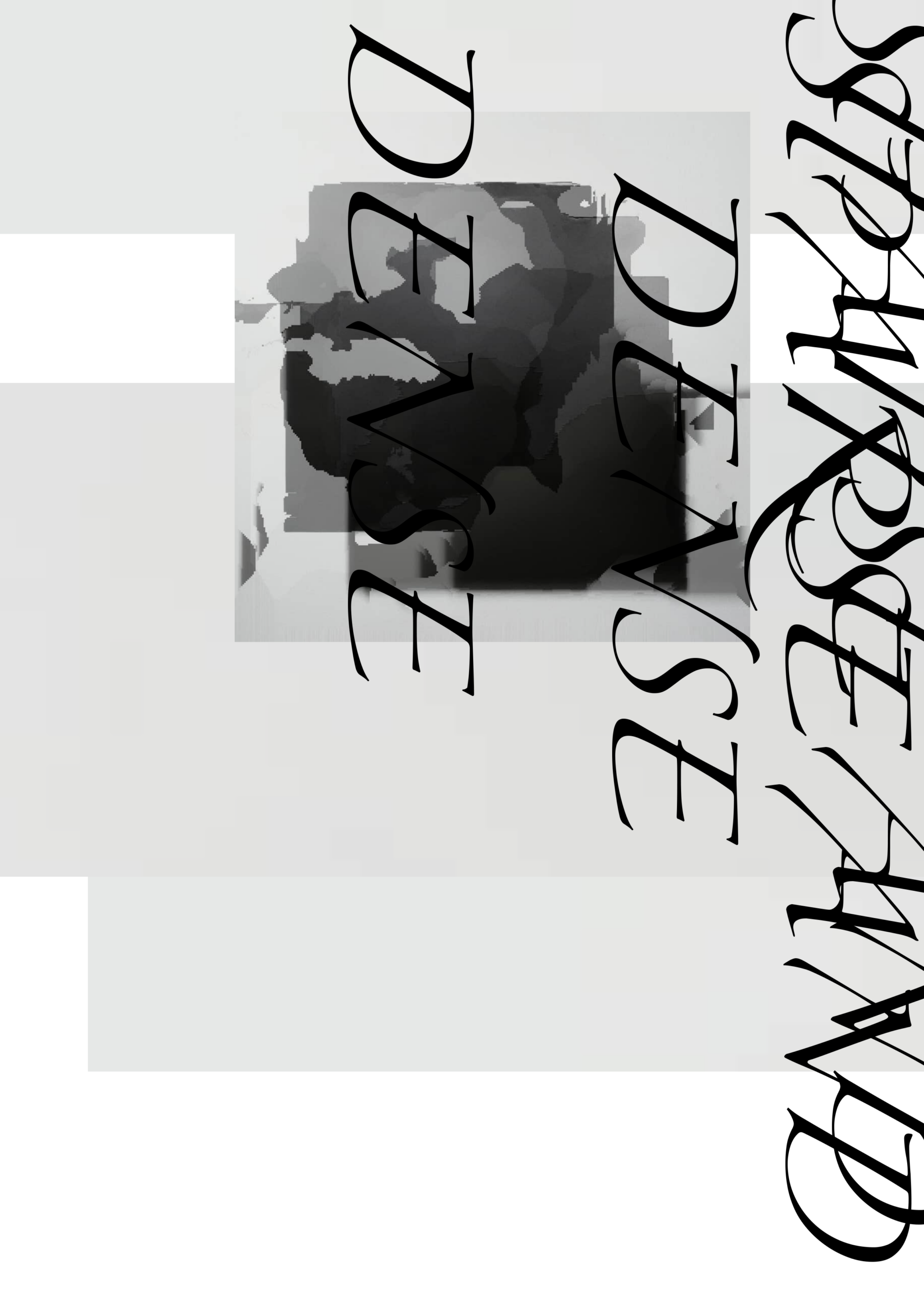
LIBERATING MANEUVERS — first SPARSE AND DENSE exhibition — ANE VUG — 27 5 21 _ 18 6 21
SENSESORS’ INTIMACY — second SPARSE AND DENSE exhibition — ANE VUG — 16 12 21 _ 23 12 21
SPACE
STUDIO view
roof view
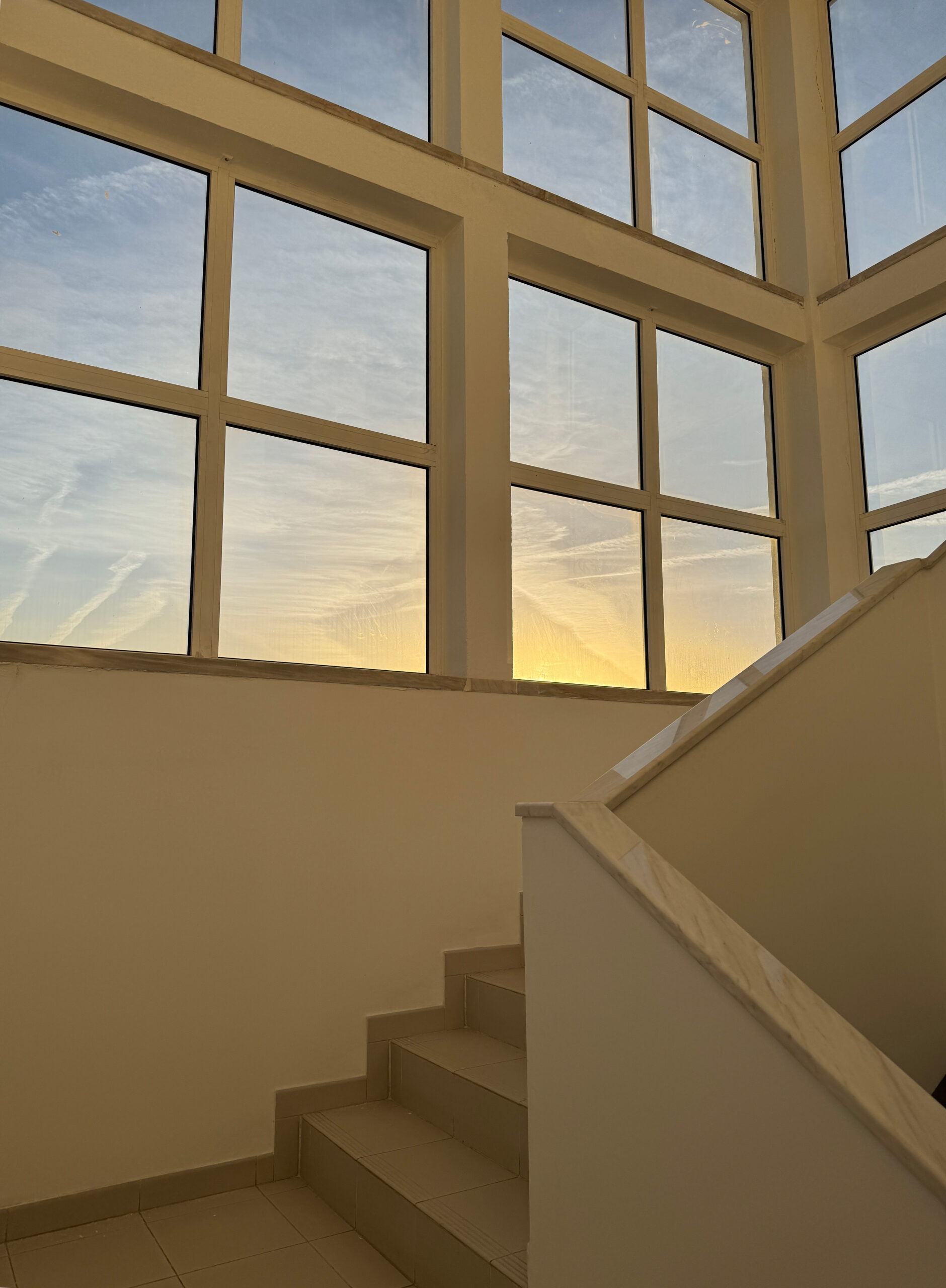
glass box view from the staircase
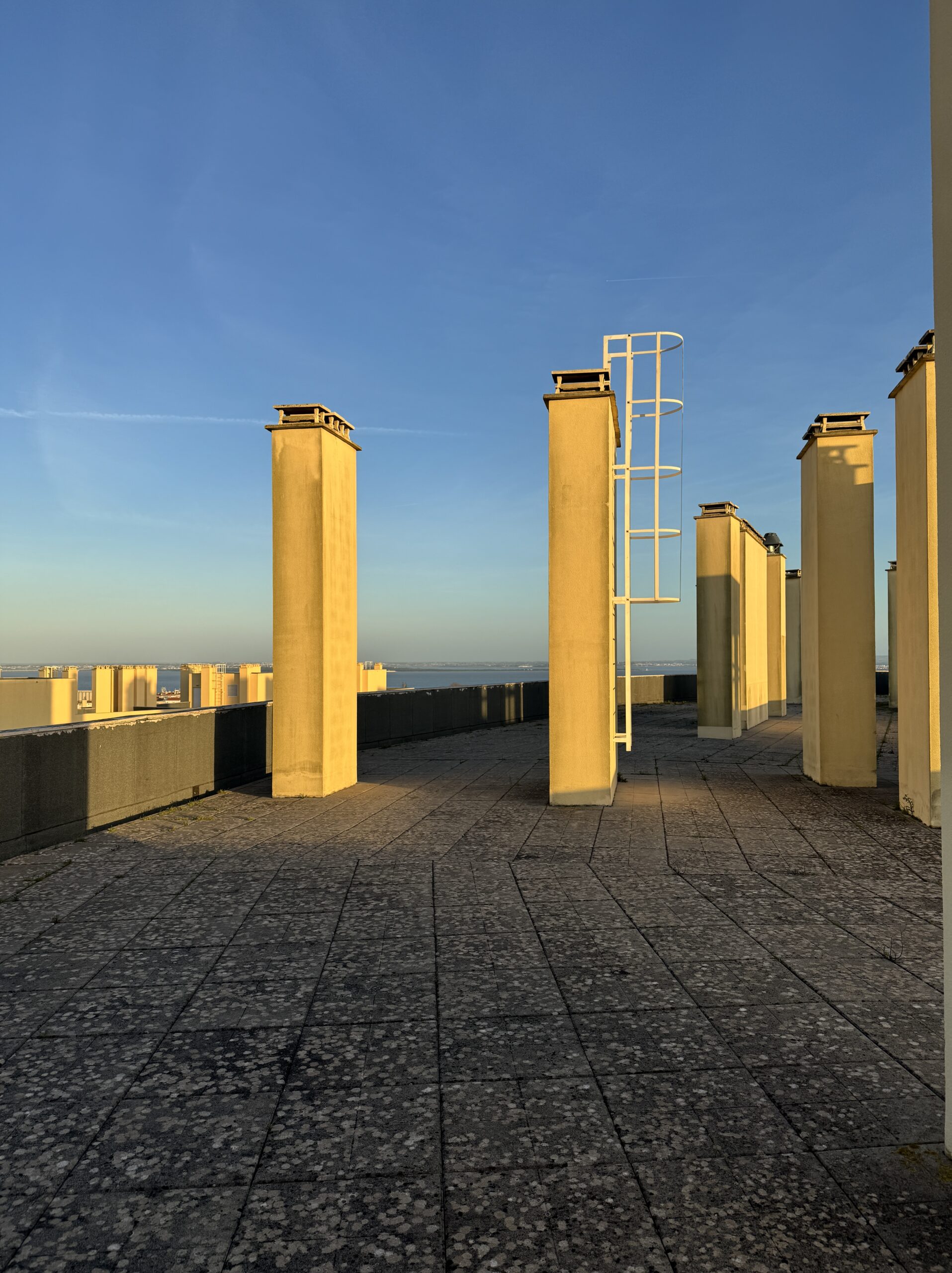
roof and river view
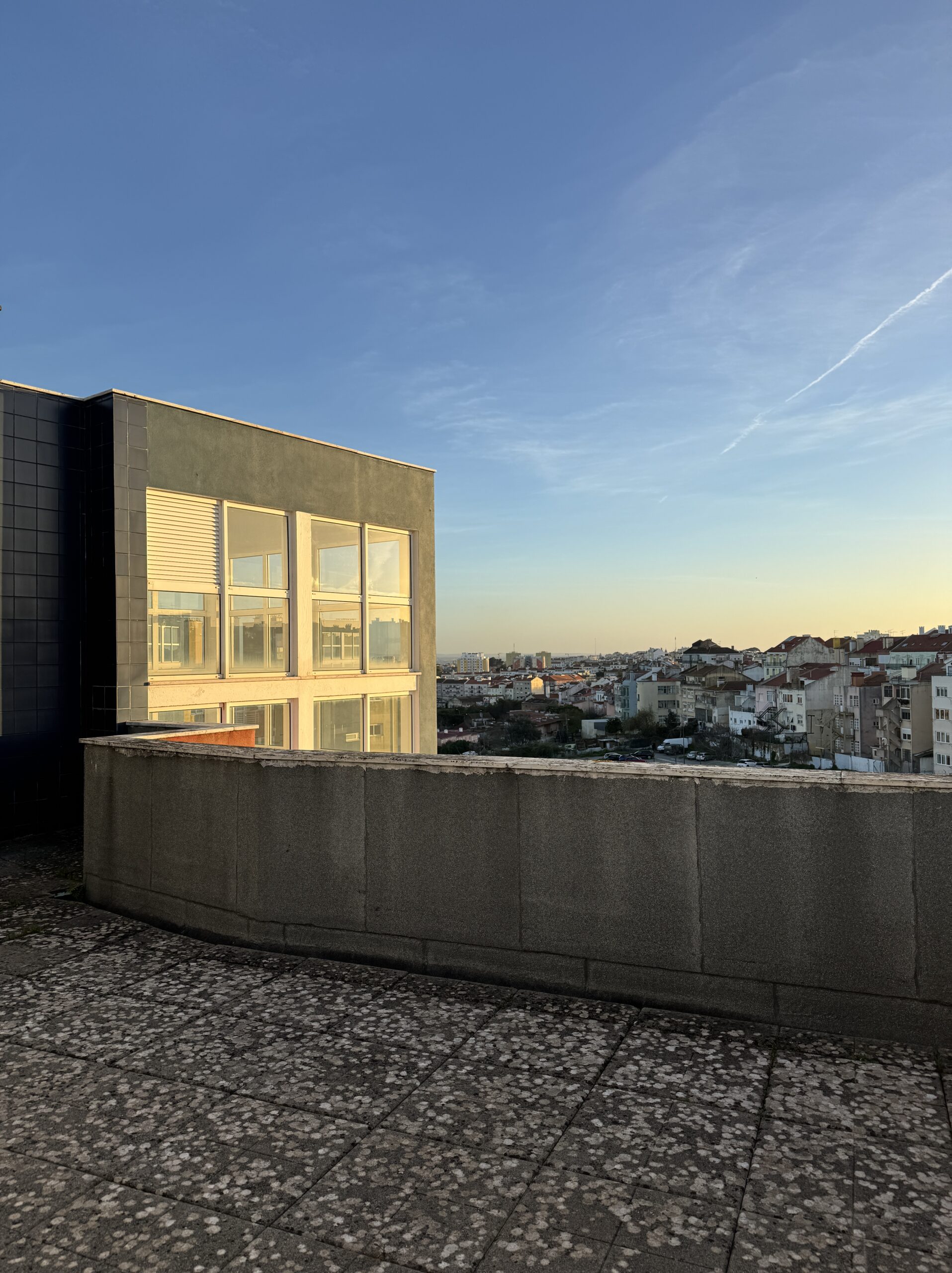
glass box view from the roof
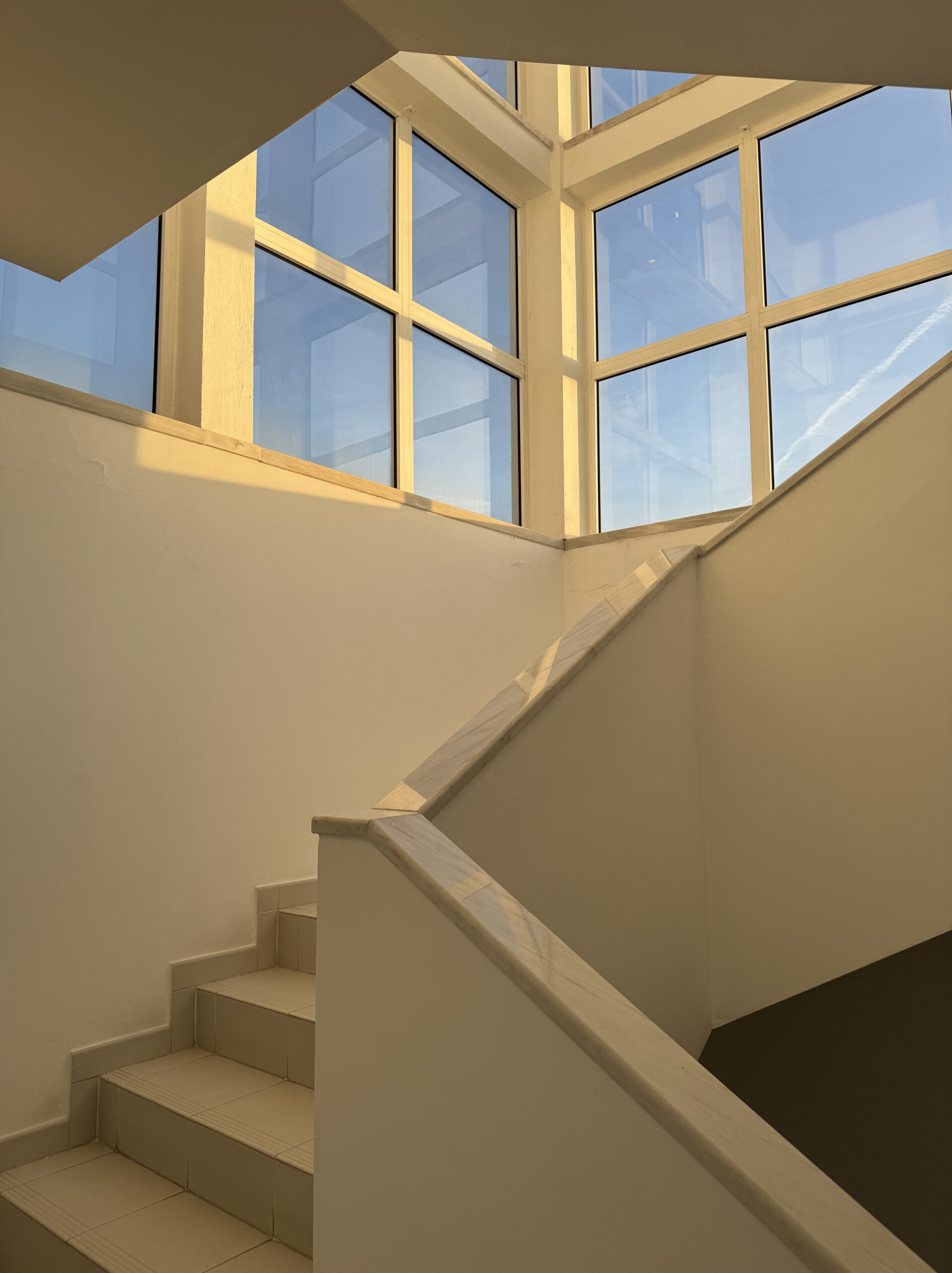
-//-
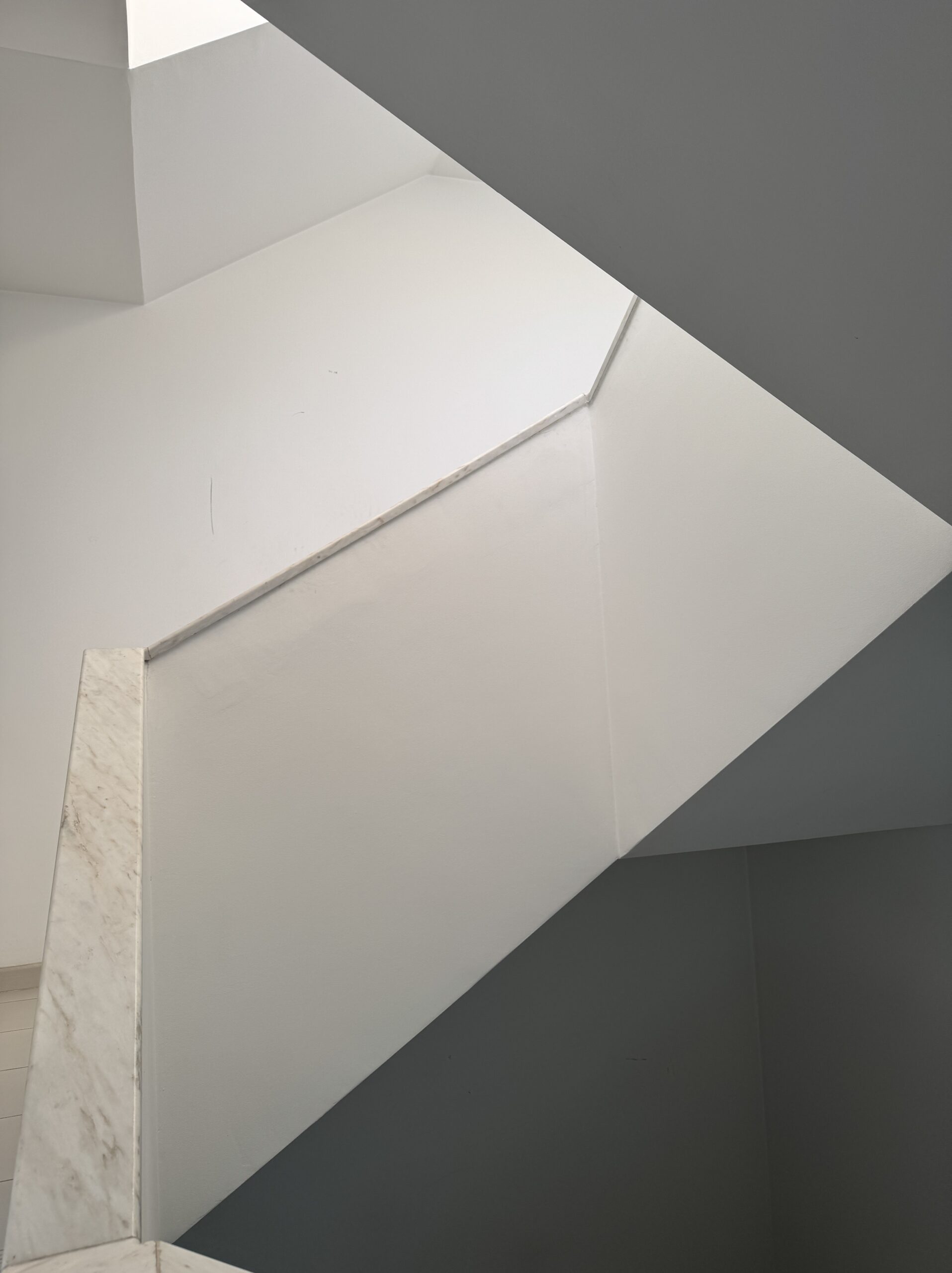
-//-
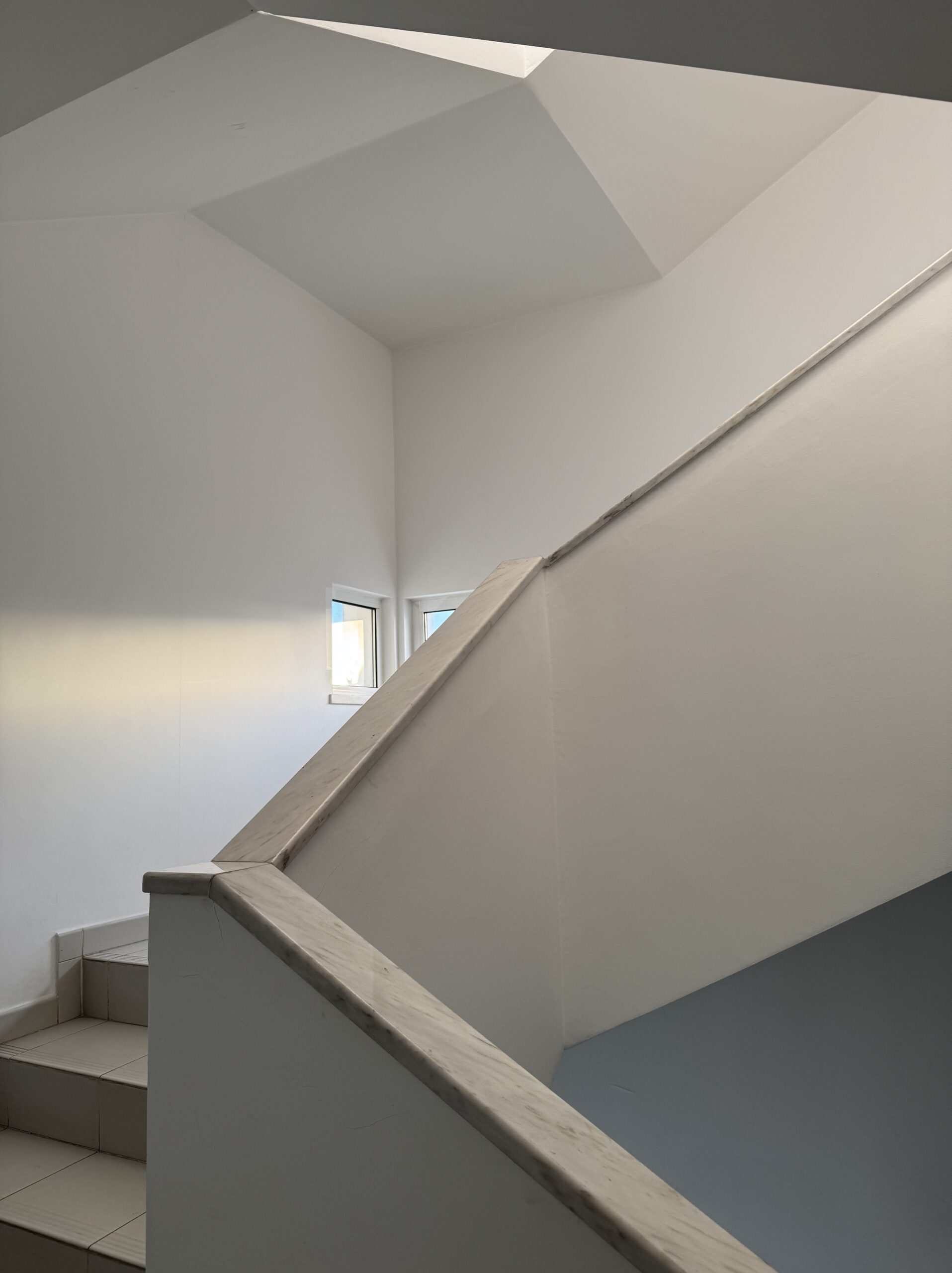
staircase view
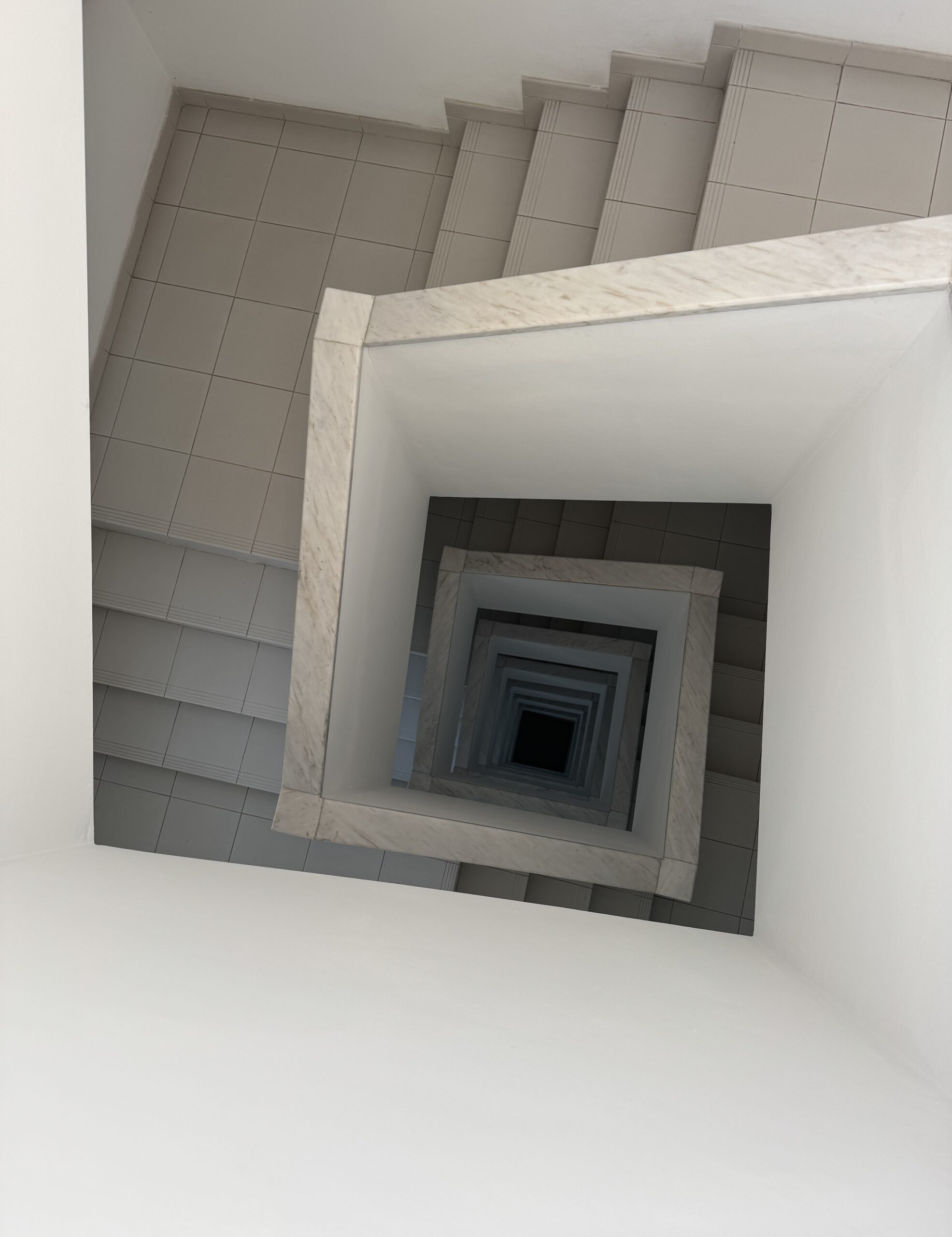
-//-
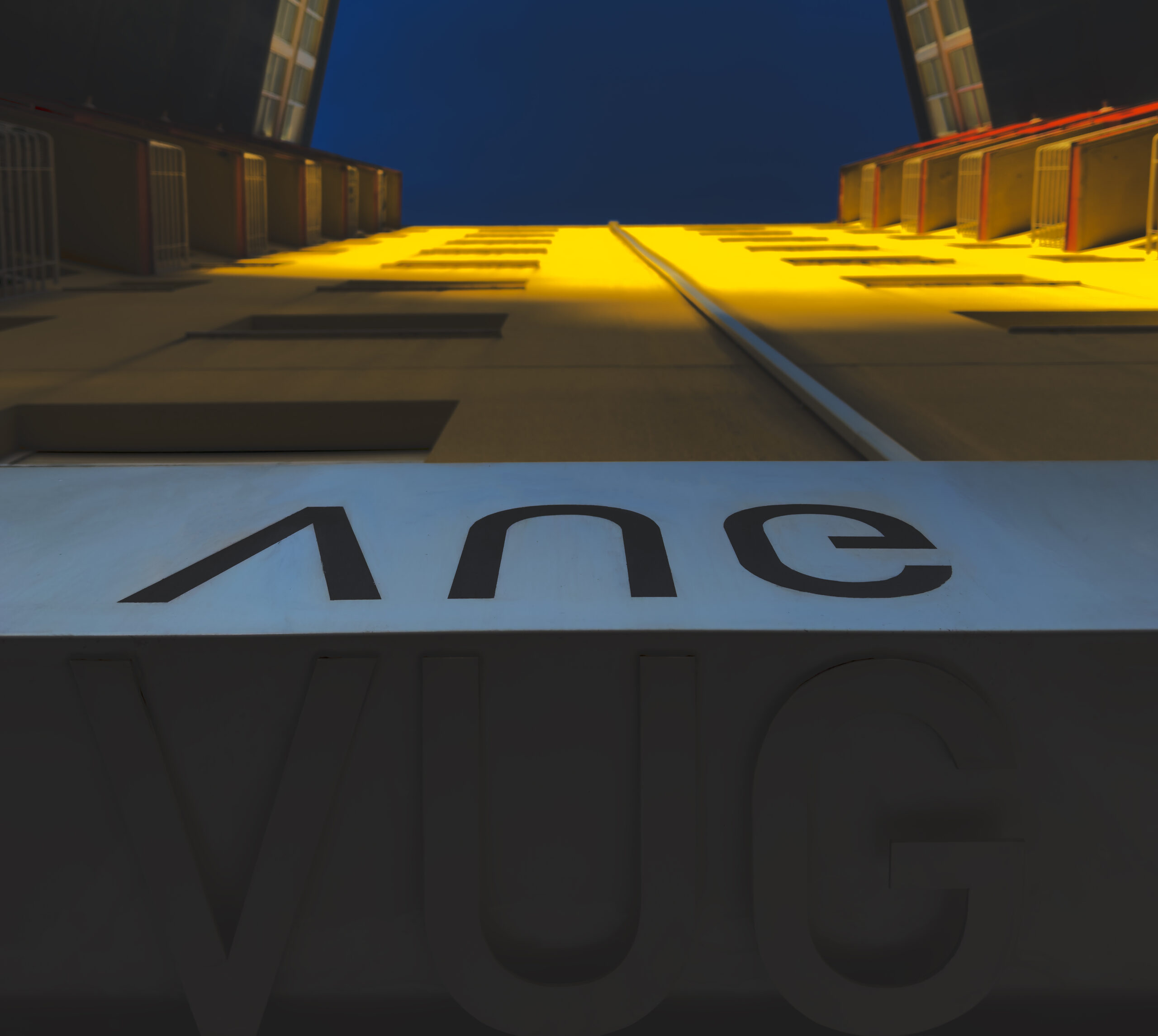
independent art space
LISBON
Rua Engenheiro Santos Simões 3B
1900-459
Portugal