Inaugurated in 2018 with its first exhibition,  (from 2021,
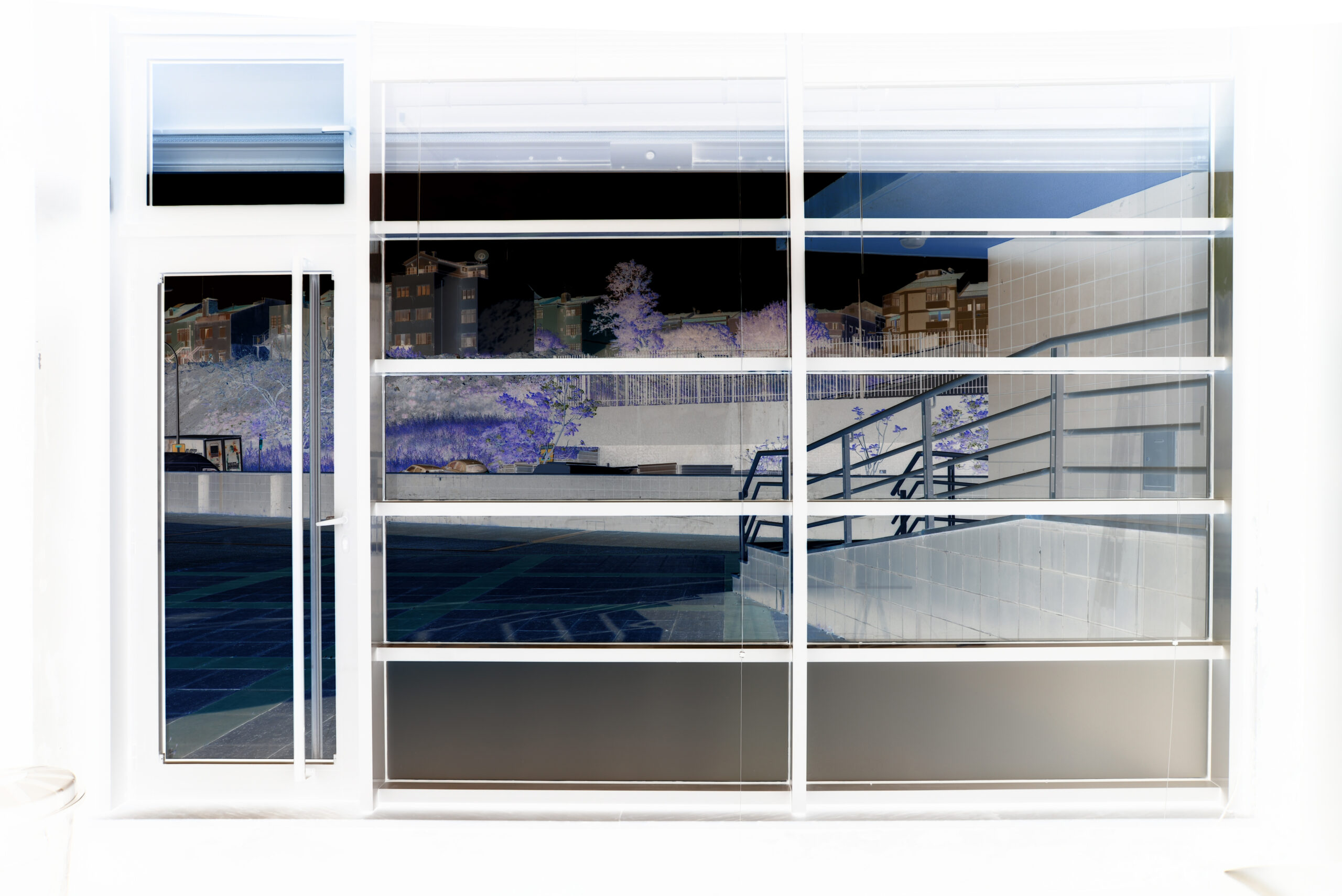
  ) inhabits a space originally conceived as a shop—never used for its intended function due to the building’s position overlooking an area without commercial potential—at the edge of shifting urban conditions.
Located on the border between the central Penha de França district and the Olaias suburb, the building belongs to a series of developments constructed between the late 1990s and early 2000s, intended to accommodate the migration of the middle class from the city centre to its nearest outskirts. Yet, lacking a coherent plan for integration with the urban and social fabric of the most economically vulnerable neighbourhoods—and following the more recent evolution of the real estate market that has revalued the old historic centre of Lisbon— this area today remains characterised by a profound lack of homogeneous identity and in a condition of incompleteness that makes it a territory with profound social and economic contradictions.
Situated behind the Escola Secundária Artística António Arroio, the space opens onto a landscape where it is often possible to see horses or sheep grazing in the semi-abandoned meadow. A stone’s throw away lies the Olaias metro station—named in 2012 among the most beautiful and modern in Europe—while in between stretches the older, deteriorating district of Picheleira. From the roof of the eight-floor building, the river and the city gradually reveal themselves, offering a shifting point of view.
RSPV (Répondez, s’il vous plaît)
/artists in collaboration/
SPARSE AND DENSE
/artistic research/
EVENTS
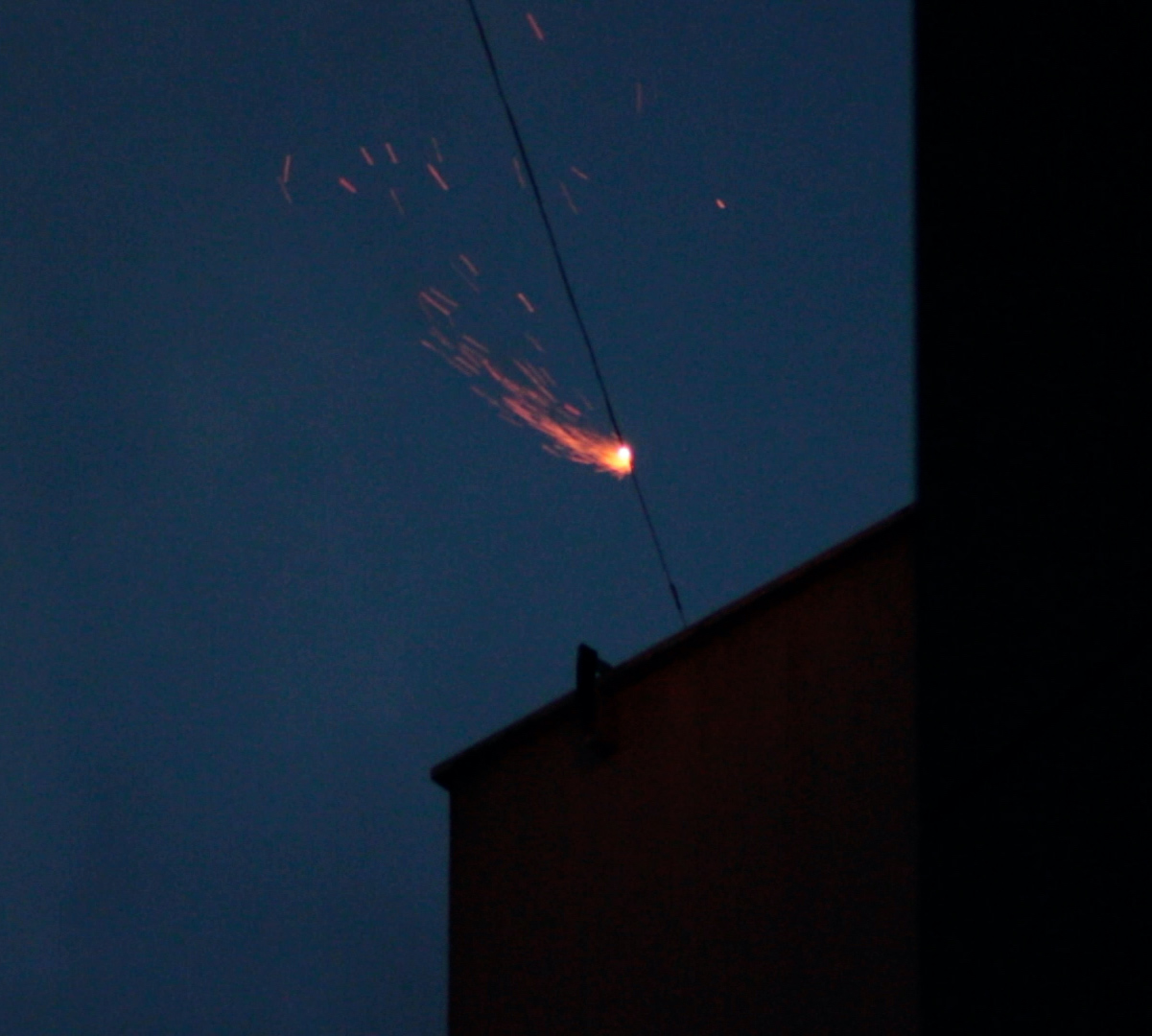
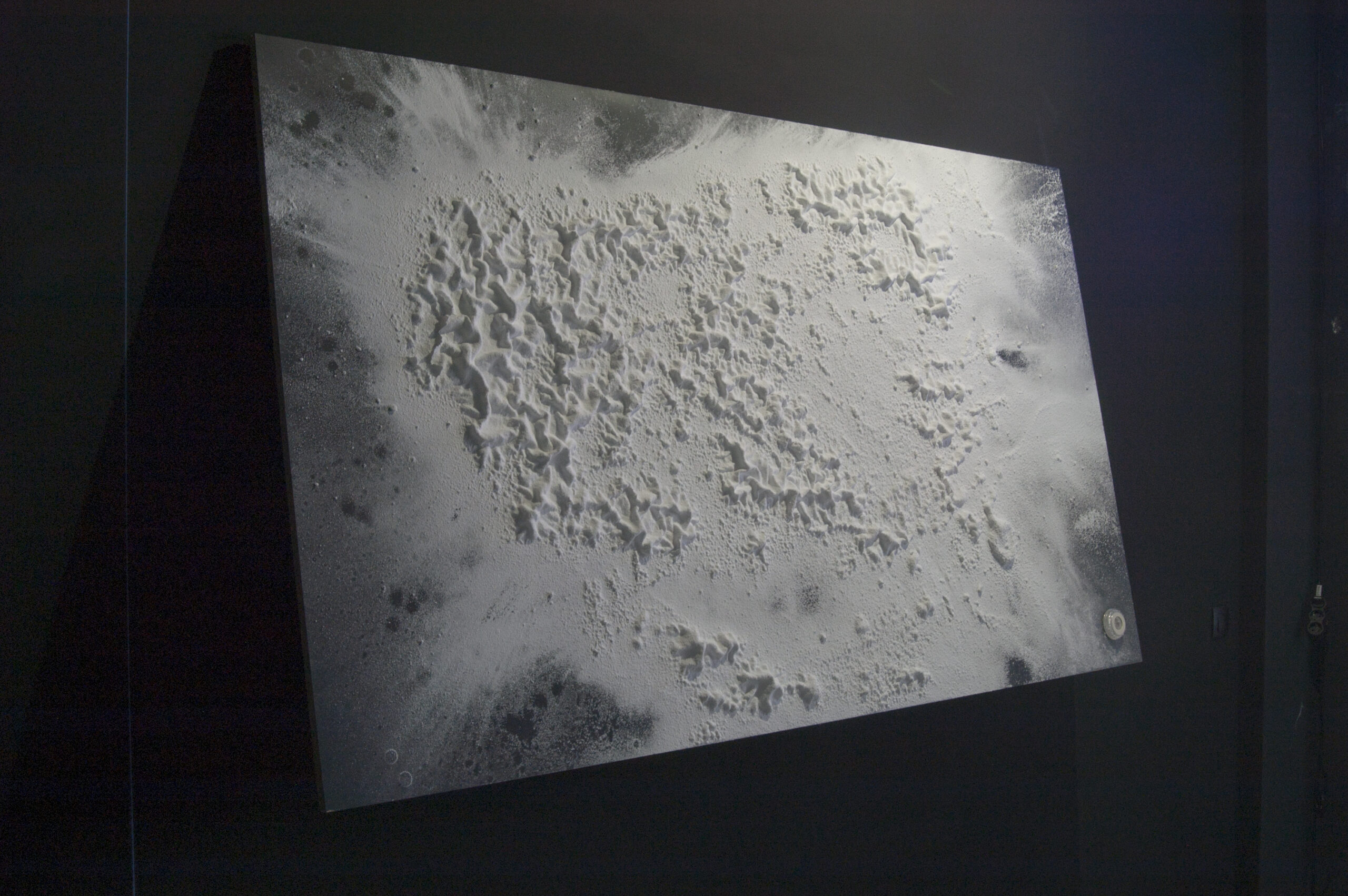
PROJECTS
RSPV (Répondez, s’il vous plaît)
/artists in collaboration/
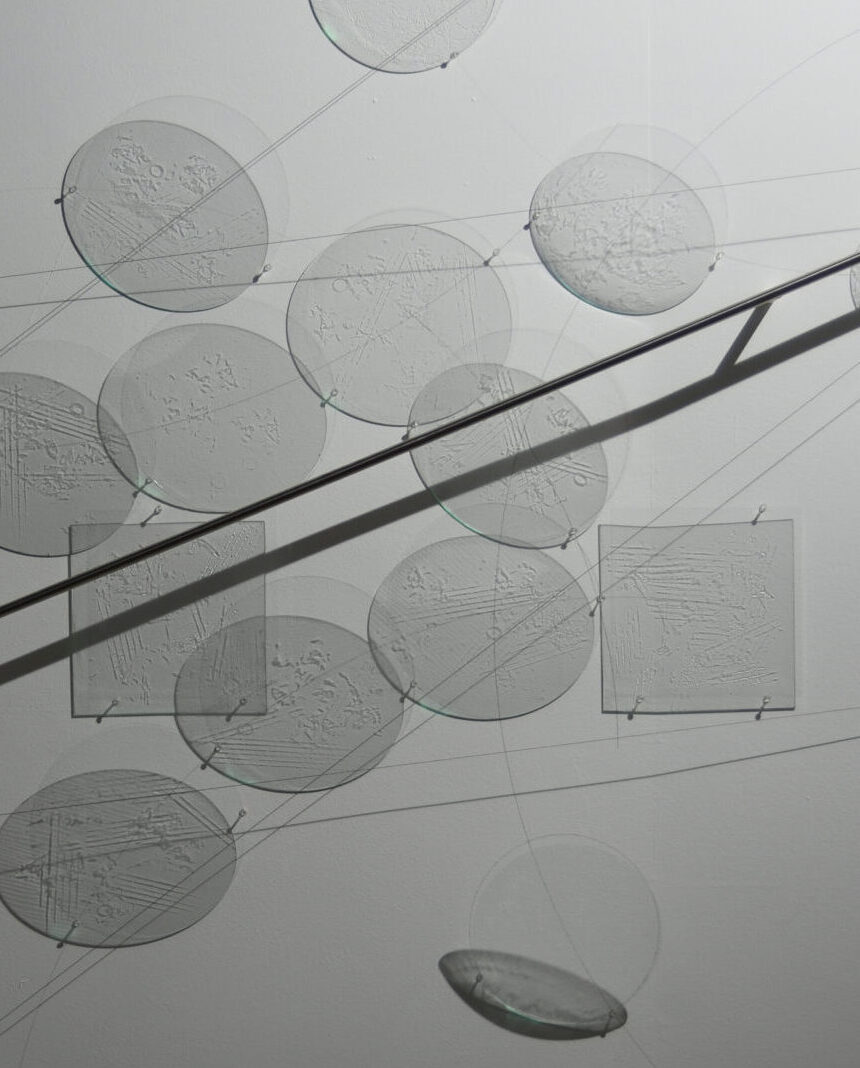
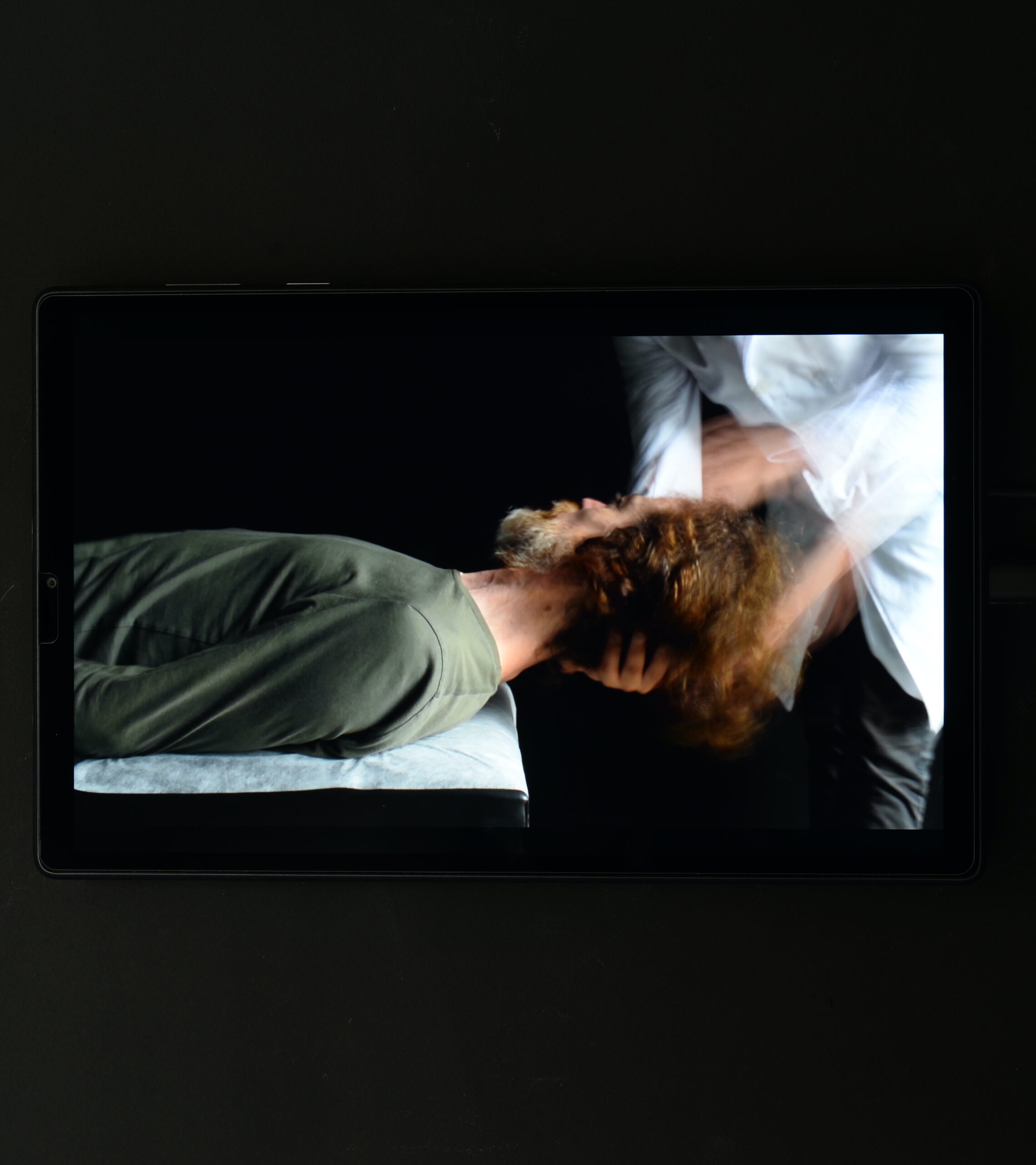
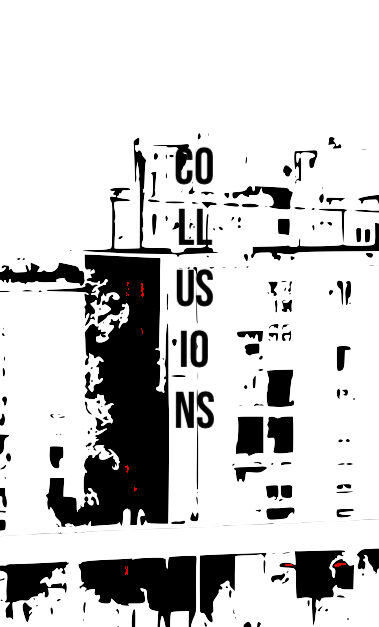
The RSPV project (Répondez, s’il vous plaît), wants to propose a series of invitations, or rather collusions, fraudulent agreements stipulated between various parties. Artists, curators, philosophers, critics, writers, and other entities are invited to respond to a question, or a call for proposal.
Not pursuing a commercial goal, but with the purpose of being a place where thinking and making art takes place, aims not to be an ‘alternative space’, a ‘middle ground’, a reality or a ‘solution’ to which one falls back on replacing it with something else that is missing. It does not aim to be a cultural, artistic or political activity that polemically contrasts with the official, shared and dominant models, but rather a space that ‘proceeds in alternating way’: goes reciprocally in a sense and in the opposite direction, like a connecting rod- crank mechanism that produces a rotary motion, a space in which incoherence and contradiction are a motor of thought rather than its limit.
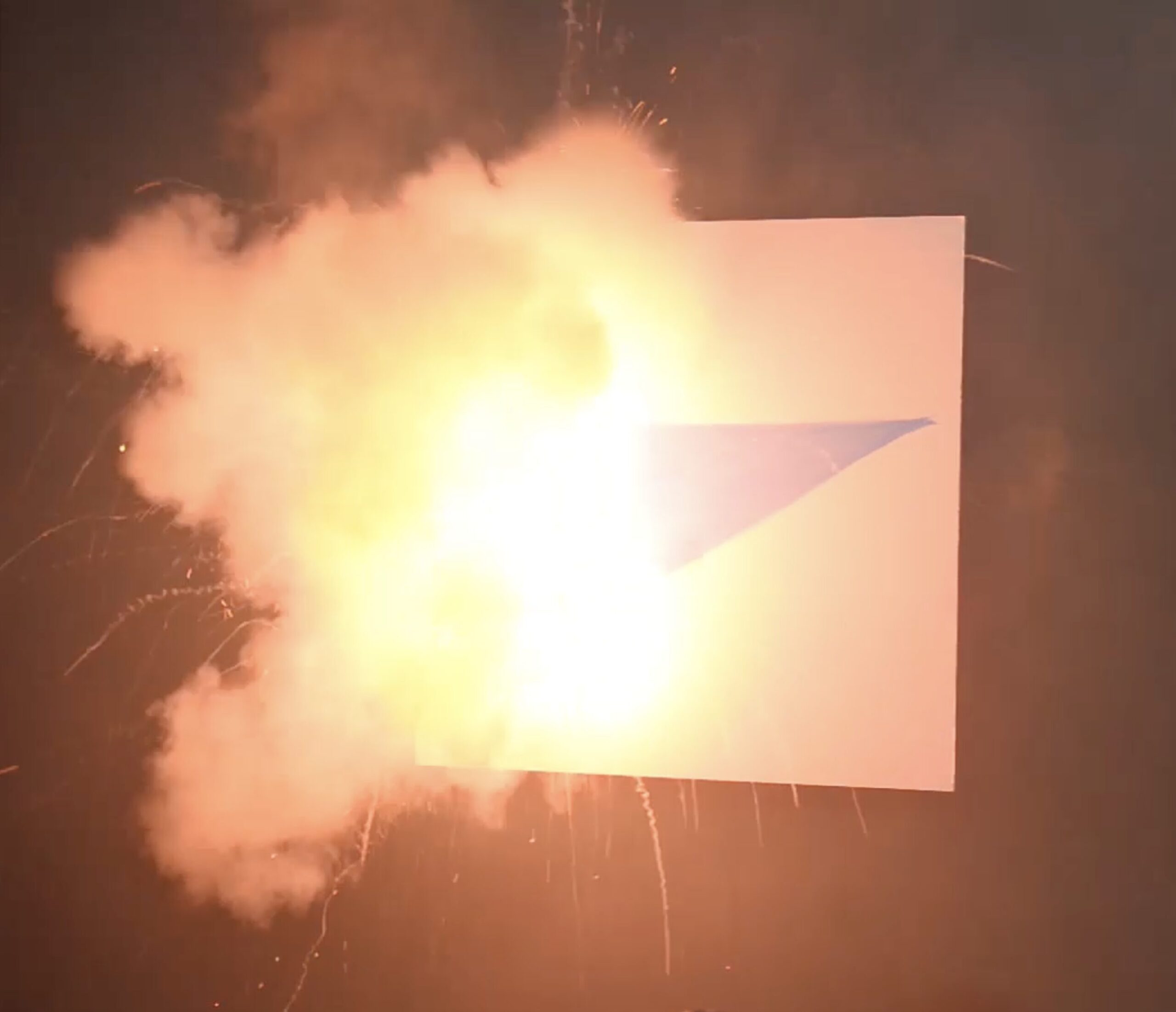
In this sense the term collusion, used to define the invitations for the RSVP project, was chosen because of its nature of being a clandestine agreement between two or more people to achieve an end, an end that is by definition considered illegal, or not allowed by the moral norm or by civil or religious laws. A collusion is also a secret and fraudulent agreement between political exponents or public administrators and organized crime, or a contingent understanding, on a tactical level, of political parties, economic forces or social organizations, which are programmatically opposed. Most important of all is that at the base of the collusion there is an understanding between various parties in order to obtain mutual benefits.
SPARSE AND DENSE
/artistic research/
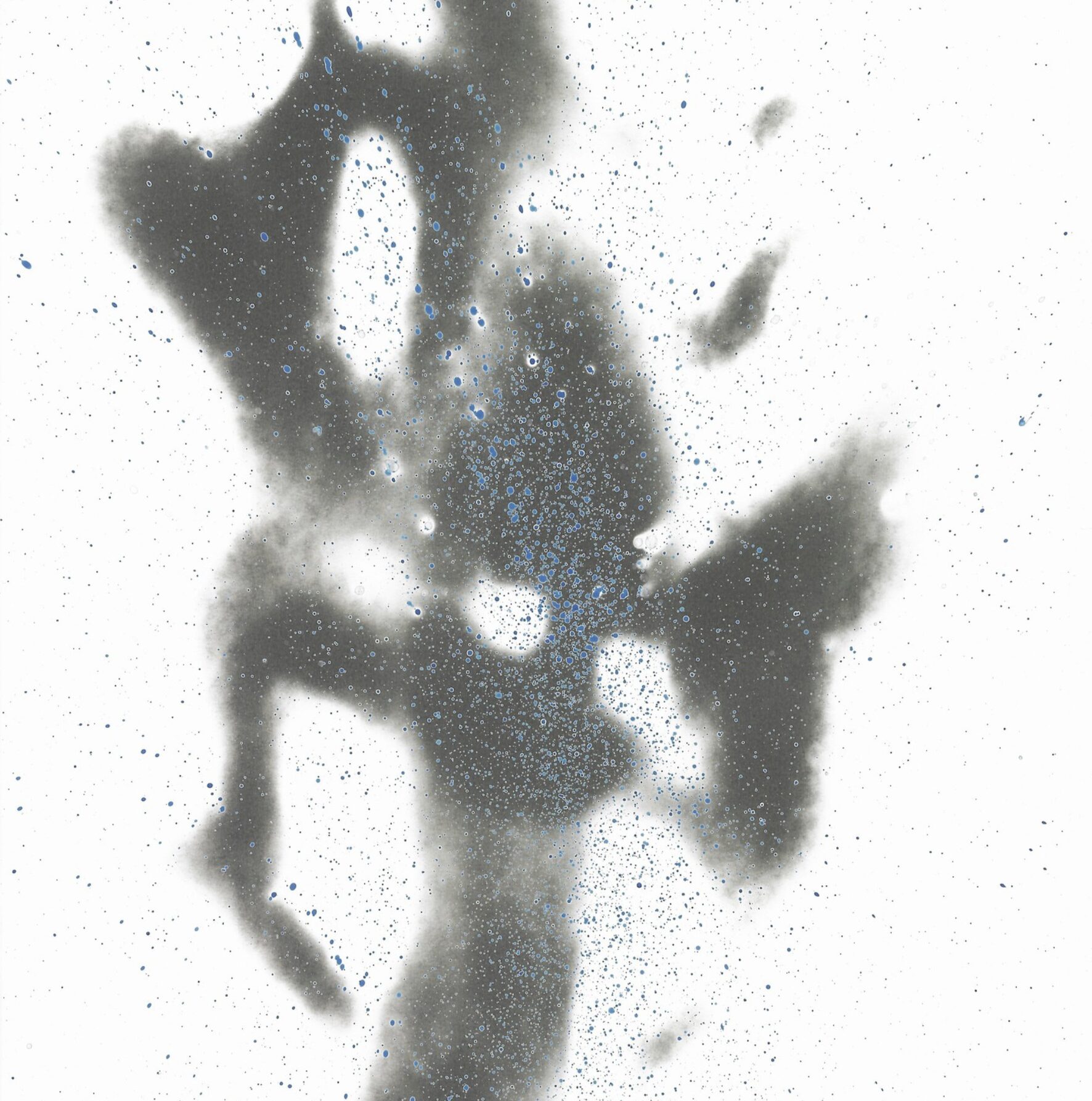
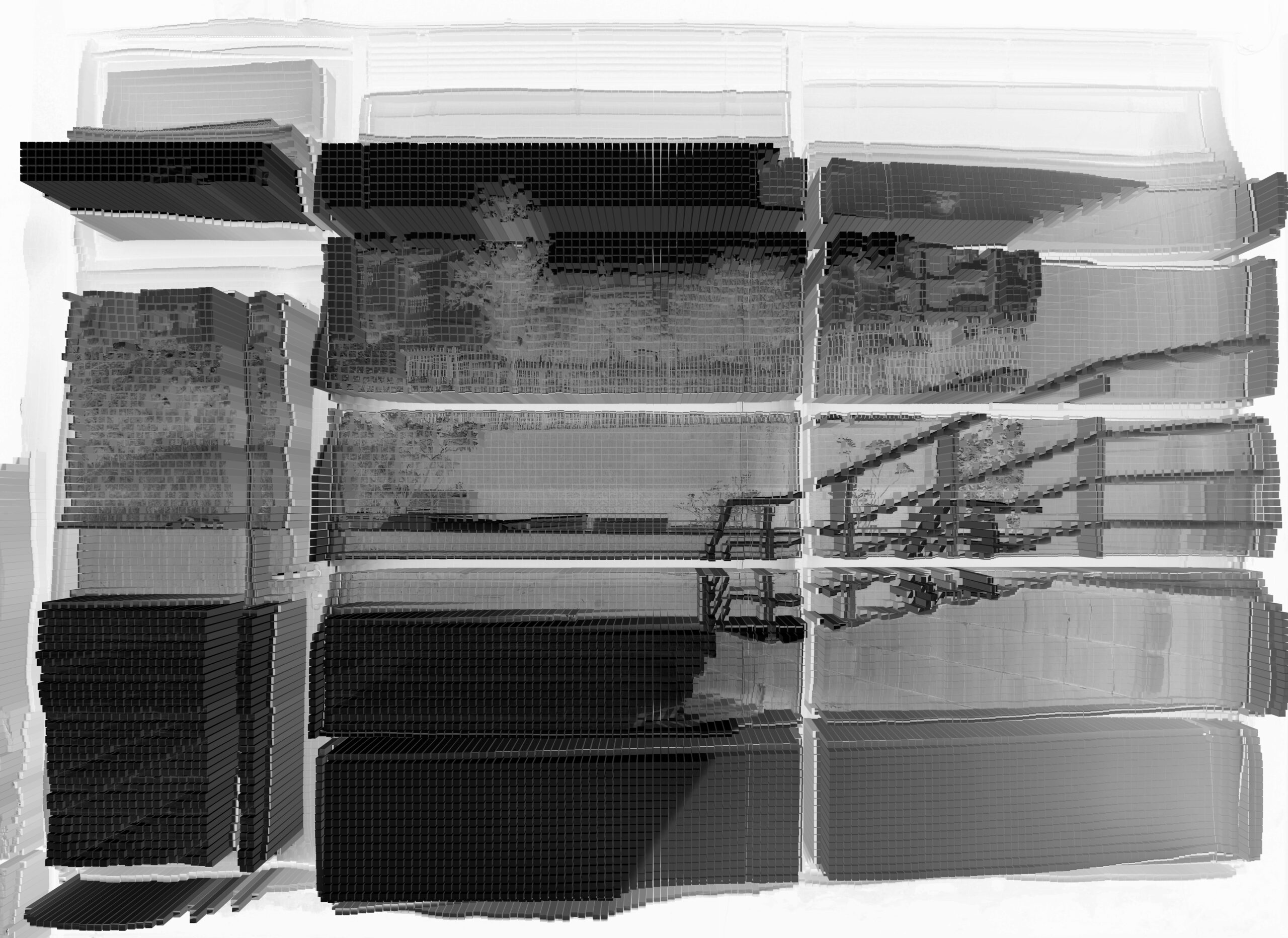
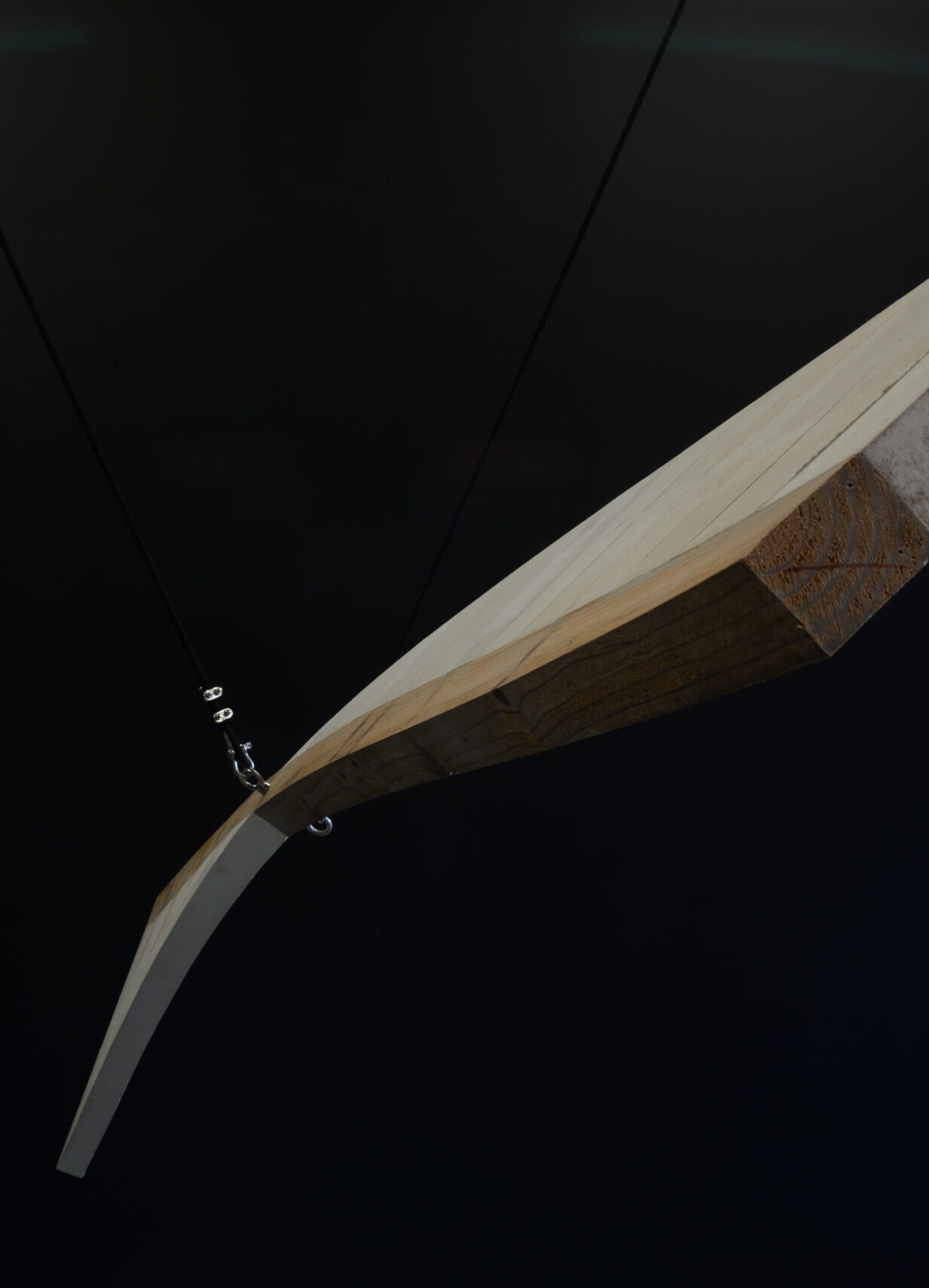
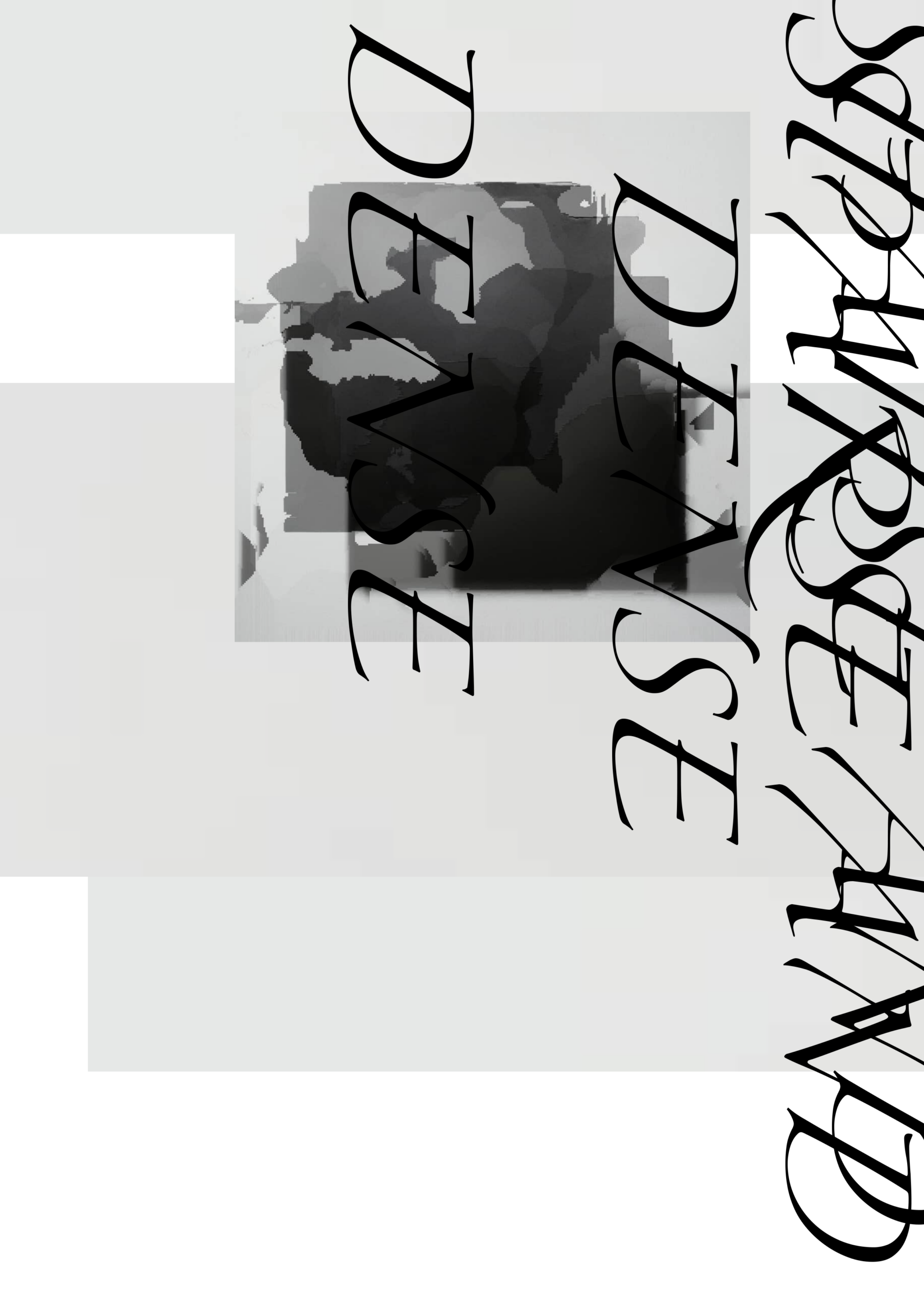
The SPARSE AND DENSE project aims at provoking new visual experiences through the deconstruction of the mechanisms of vision governing our perception of objects, movement, and environment. When the visual system is functioning normally, human beings know whether they are moving or not, and if so, where they are heading for. They walk towards an object of interest and move around it so as to see it from all sides, going from one perspective to the other. People are able to achieve this naturally, without the need to process it, or even acknowledge it. Technological research in the field of visual perception tries to replicate natural vision in human beings: its complexity, organization, and efficiency—mostly to improve the ability of machines to ‘perceive’ their surroundings, detect objects and their velocity, predict their position, and track their motion. It is in this minute space of inconsistency—between what is experienced and reality, as for human perception, and between reality and what it is actually capable to elaborate of it, as for technology—where this project is located. Limits, errors, imperfections, failures—in short, ‘defects’ of both human and technology can unintentionally produce visual experiences, namely by tweaking the parameters of technological apparatuses, or alternatively, by tricking the human sensory apparatus.
LIBERATING MANEUVERS — first SPARSE AND DENSE exhibition — ANE VUG — 27 5 21 _ 18 6 21
SENSESORS’ INTIMACY — second SPARSE AND DENSE exhibition — ANE VUG — 16 12 21 _ 23 12 21
SPACE
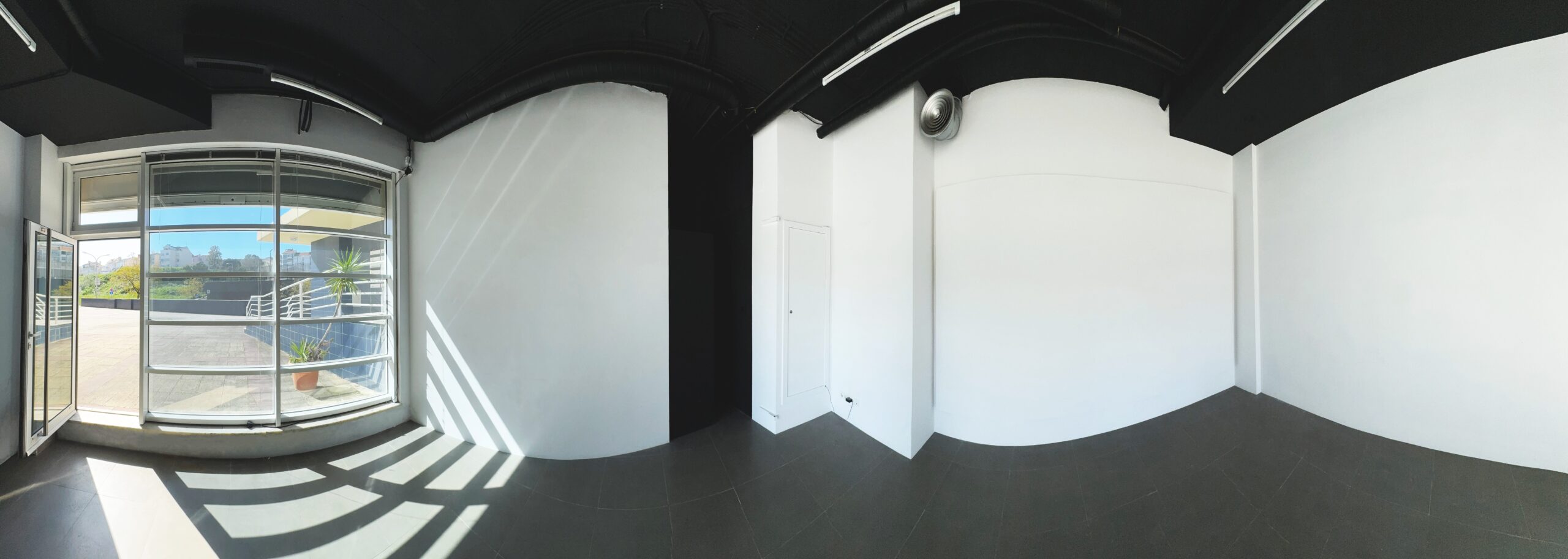
STUDIO VIEW
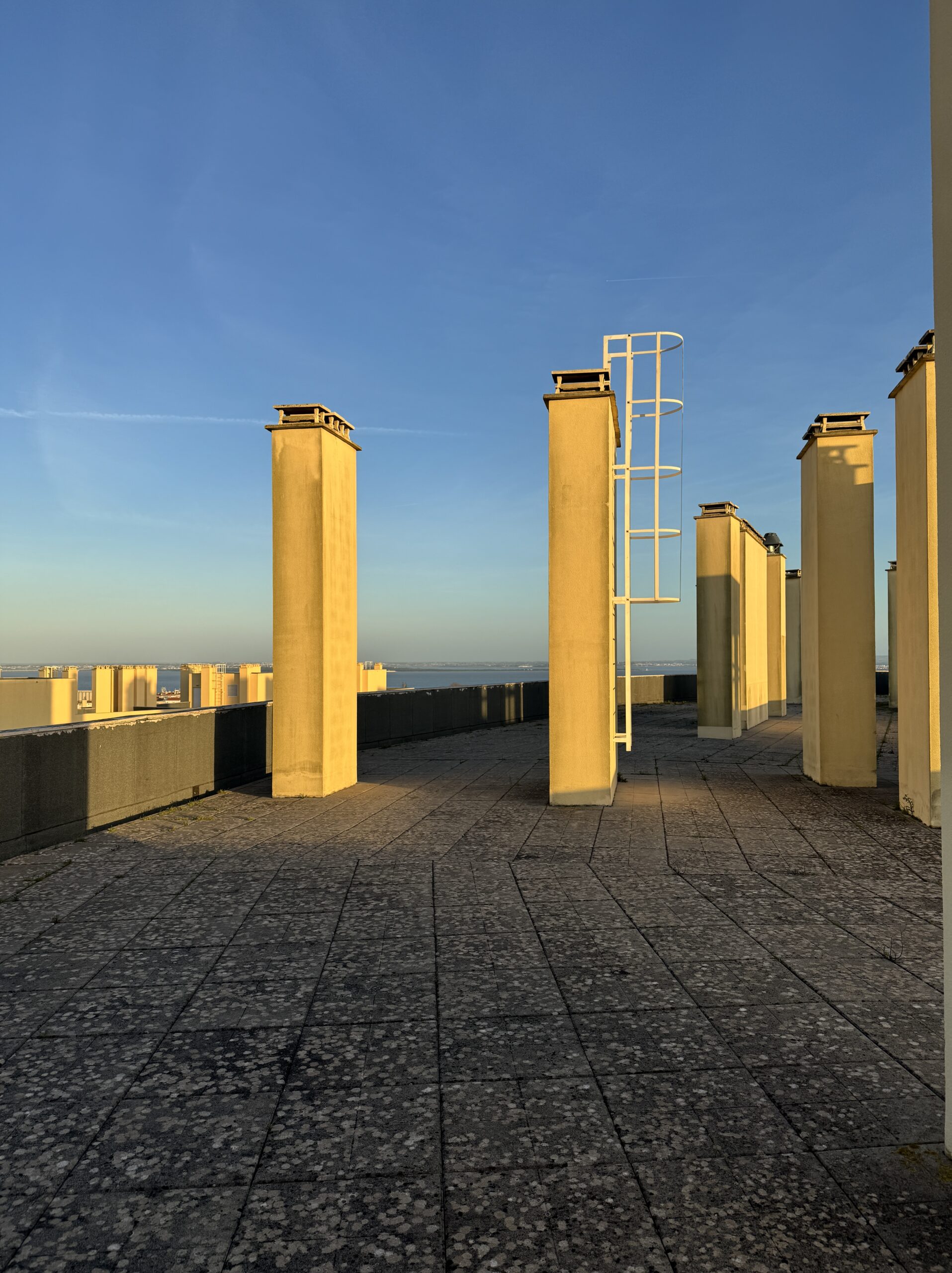
roof and river view
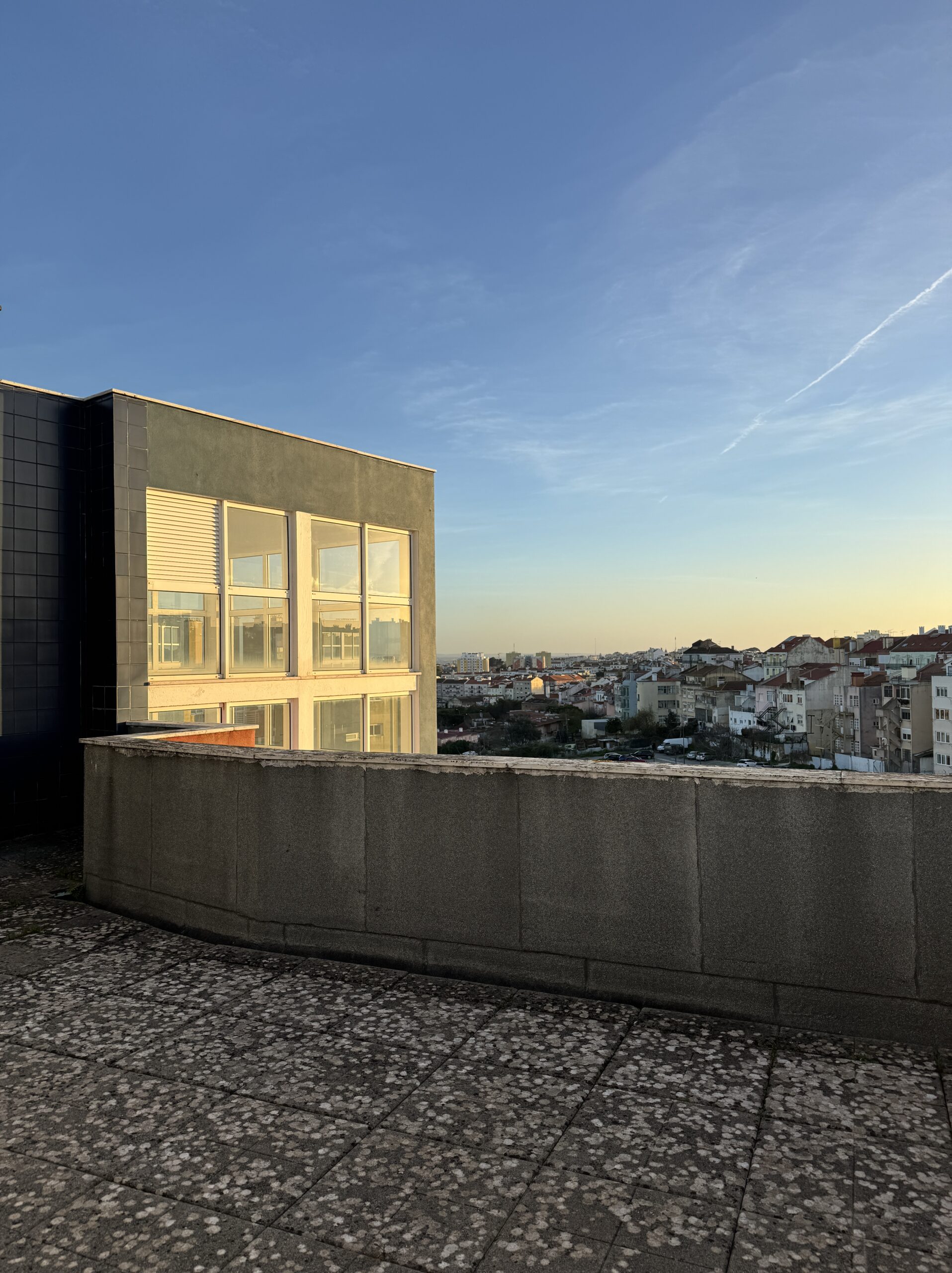
glass box view from the roof
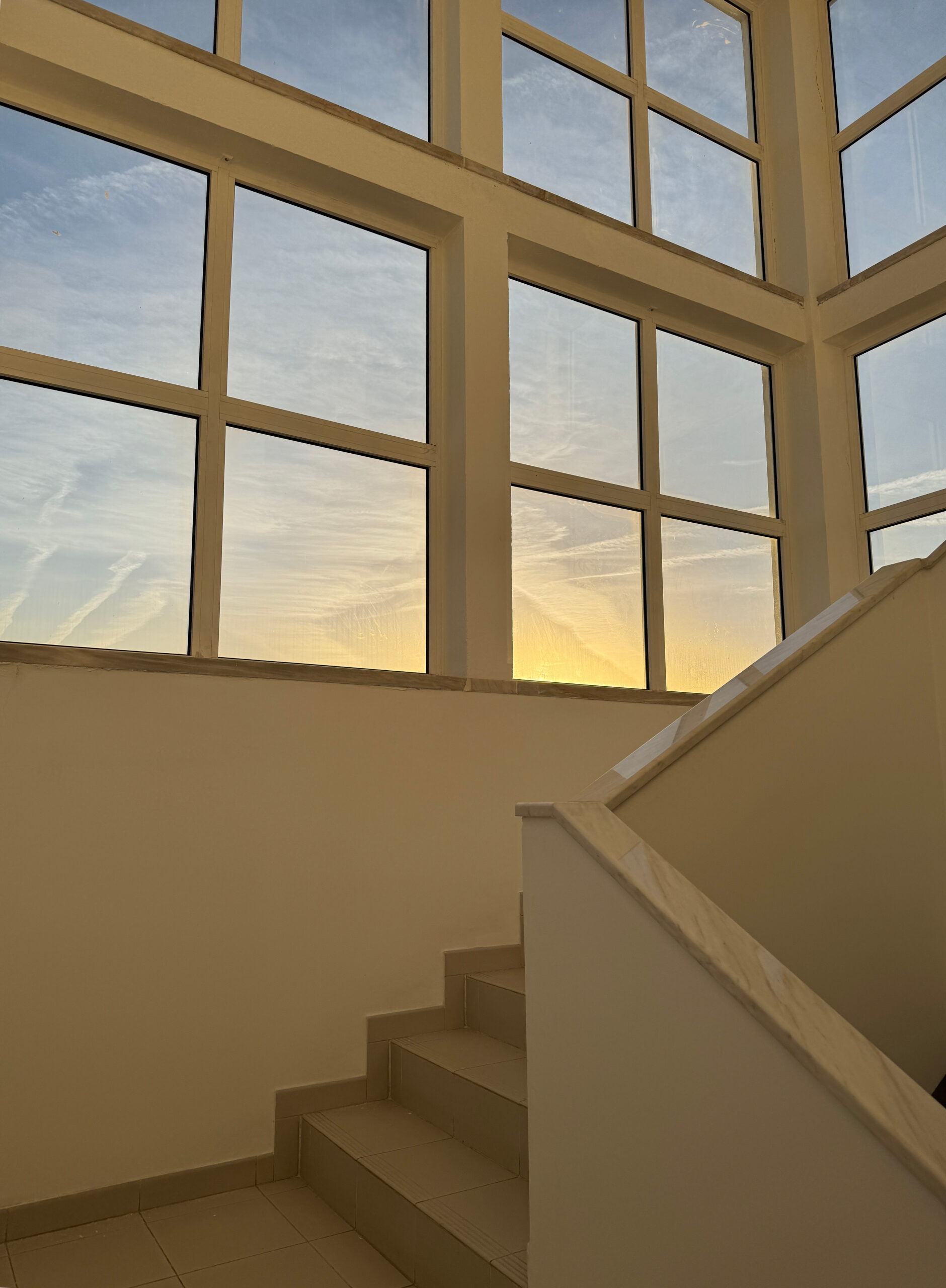
glass box view from the staircase
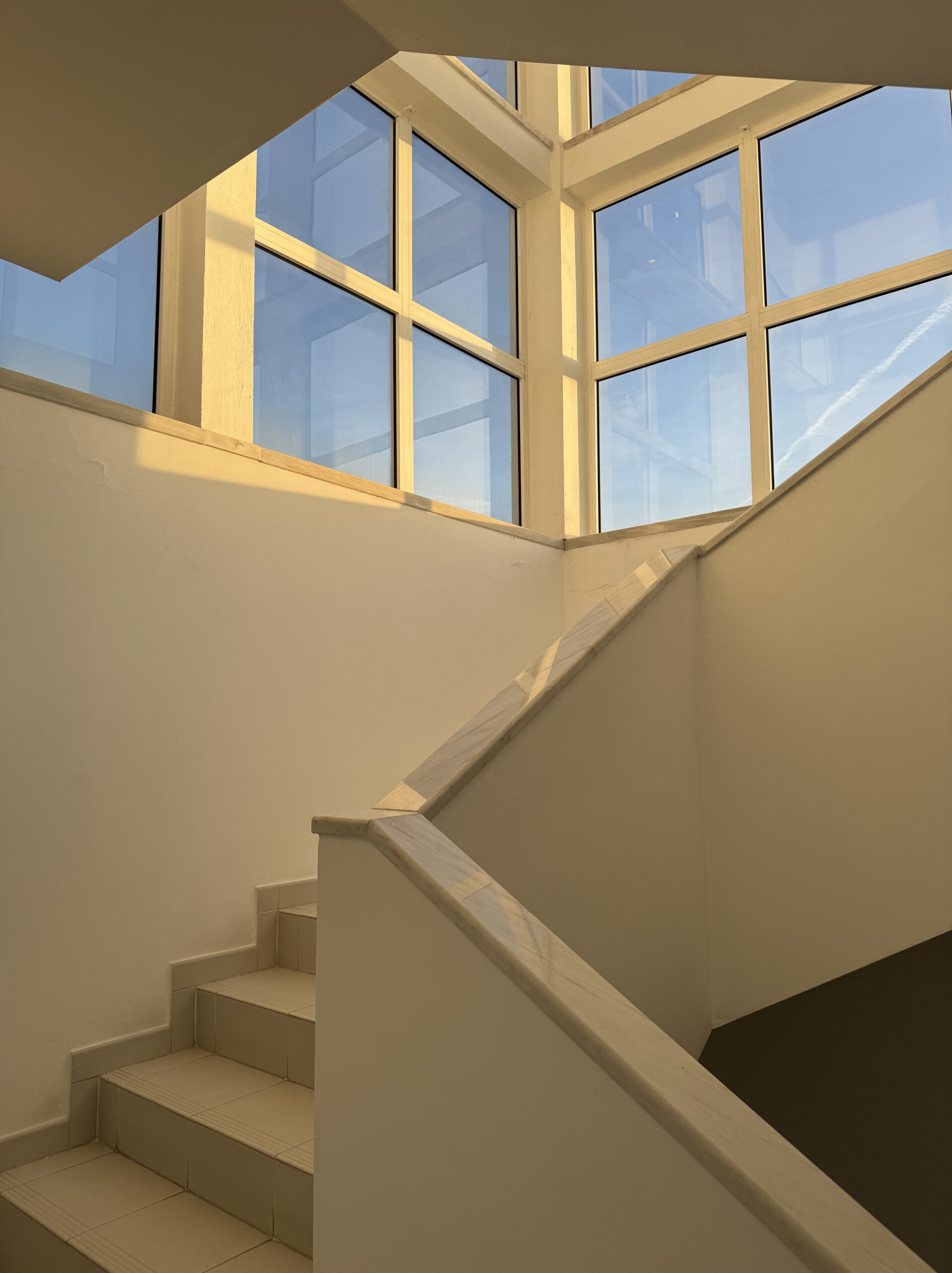
-//-
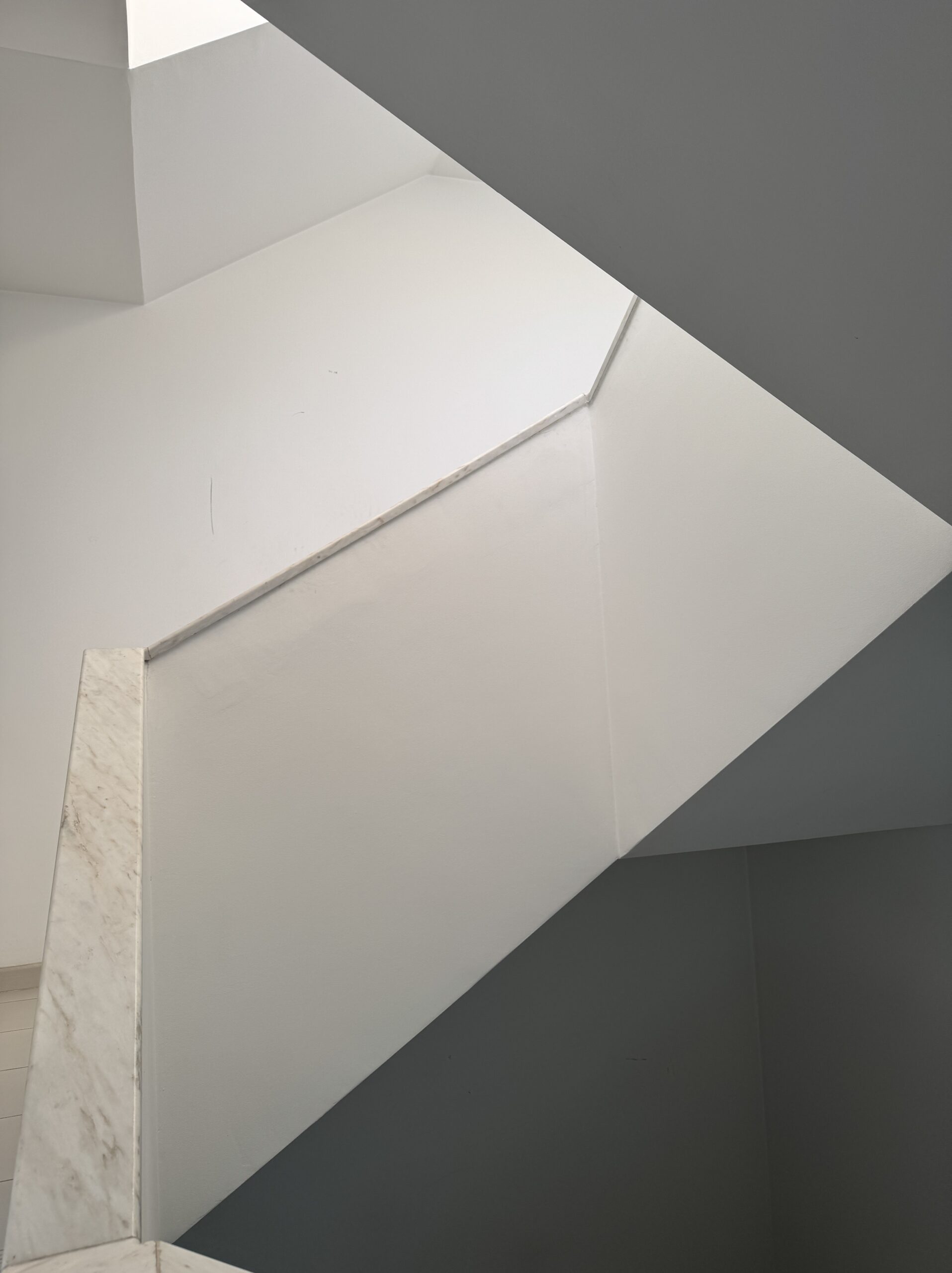
staircase view
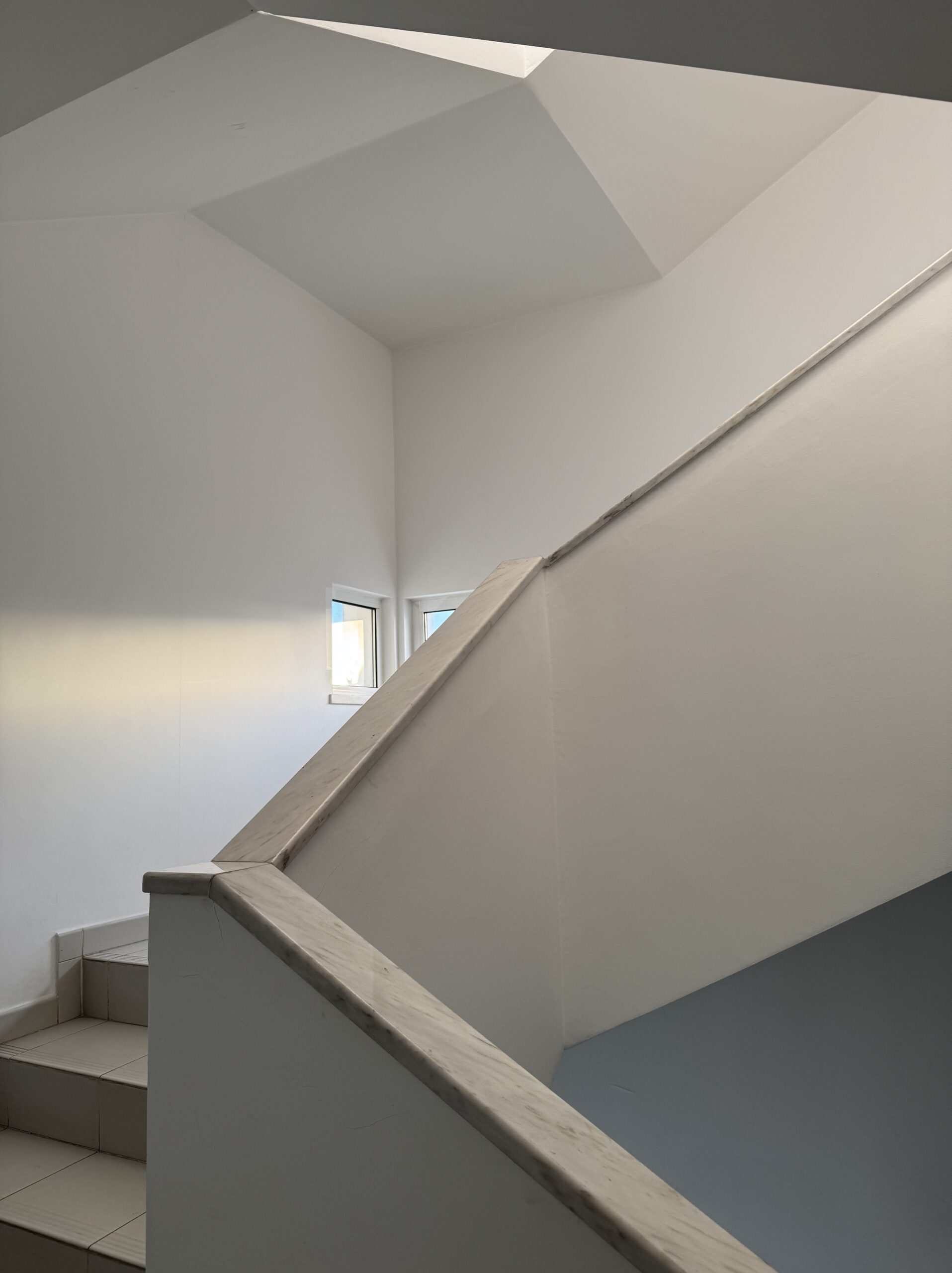
-//-
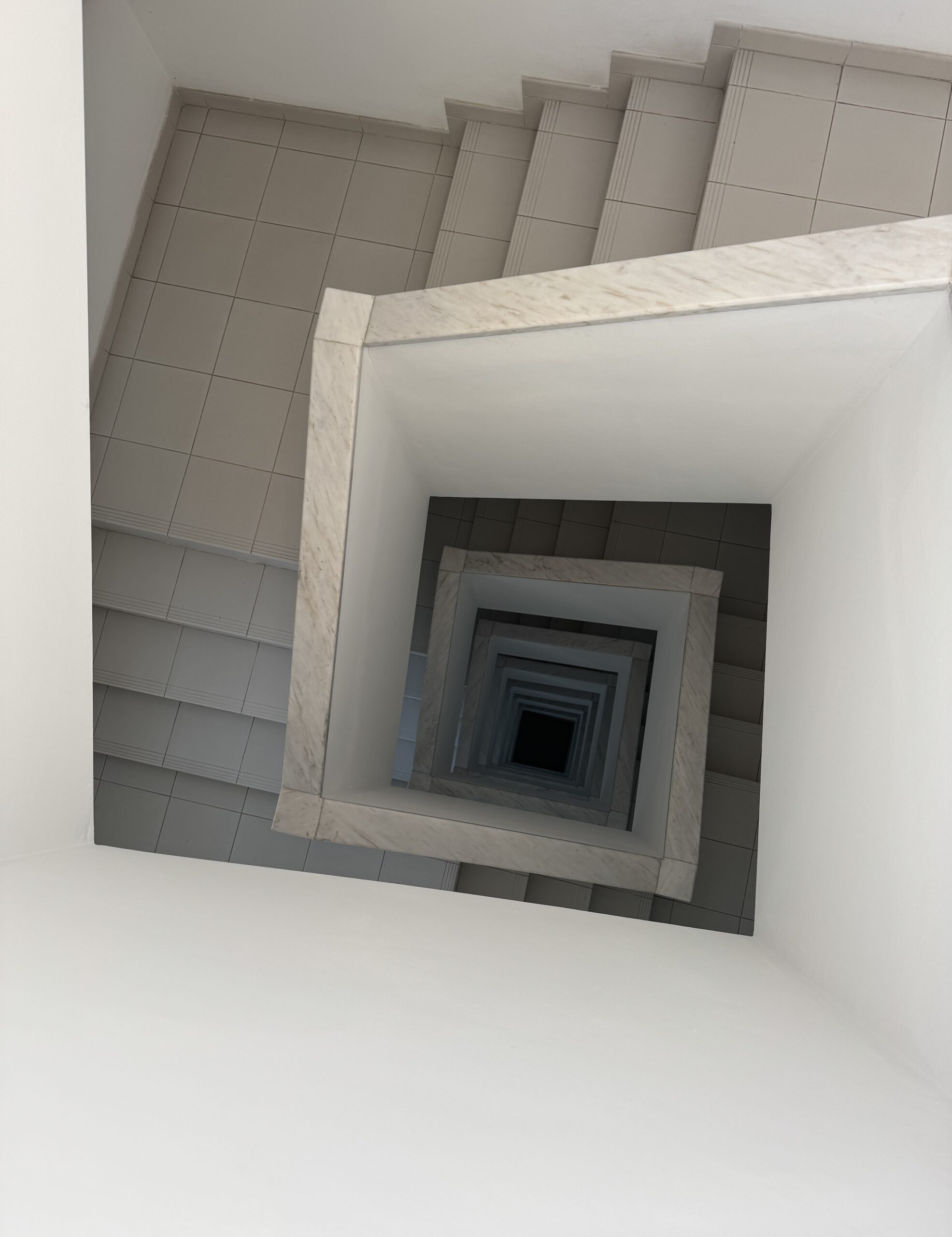
-//-